

Triamcinolone Acetonide
Triamaderm Ointment★★★★★0.0 (0)
Starting at
$78.99
Triora Ointment is a prescription topical corticosteroid containing triamcinolone acetonide in an ointment base. Each tube contains the strength listed on the package, and the 10-tube pack is used to treat steroid-responsive skin conditions such as eczema, dermatitis, rash, and other inflammatory, itchy skin problems.
Prescription required — you can upload it at checkout or later
| Pack Size | Qty | Price | Add to cart | Unit Price |
|---|---|---|---|---|
| 5 tube/s | $8.99 | $1.80 | ||
| 10 tube/s | $15.99 | $1.60 | ||
| 15 tube/s | $22.99 | $1.53 |
Save more with our biggest pack
Free shipping on orders of $199 or more
Triora Ointment is a prescription topical corticosteroid containing triamcinolone acetonide in an ointment base. Each tube contains the strength listed on the package, and the 10-tube pack is used to treat steroid-responsive skin conditions such as eczema, dermatitis, rash, and other inflammatory, itchy skin problems. Triora Ointment helps reduce redness, swelling, and itching when applied to the affected skin as directed by a clinician.
How it works: Triamcinolone acetonide works by calming the immune reaction in the skin that causes redness, swelling, and itching. In ointment form, it also helps lock moisture into the skin, which can improve penetration on dry patches.
Triora Ointment is an ointment formulation, which makes it greasier and more occlusive than a cream or lotion, so it can be a better fit for dry, thick, or scaly skin. Because this is the strength shown on the label, a doctor may choose it when a localized area needs a topical steroid with enough potency to calm inflammation without switching to a lower-strength product.
Triora Ointment supplies triamcinolone acetonide at the exact labeled strength in each tube, but the amount applied depends on the size and severity of the treated area. Your doctor decides how often to use Triora Ointment, commonly 1 to 2 times daily for a short course, and the maximum daily amount should be limited to what your prescriber directs for this strength. Do not use more often or for longer than prescribed, because stronger or prolonged use can raise the risk of steroid side effects.
Do not change your dose or stop the medicine without speaking to your doctor.
Common side effects of Triamcinolone Acetonide may include:
Get medical help right away if you notice:
Store Triora Ointment at room temperature, tightly closed, and keep the tube away from heat, moisture, and direct light.
Triora Ointment is used for steroid-responsive inflammatory skin conditions such as eczema, dermatitis, and itchy rashes when a doctor prescribes a topical corticosteroid. It helps calm redness, swelling, and itching on the skin when used as directed.
Apply a thin layer to the affected skin only, following your prescriber’s directions for frequency and duration. Wash your hands after use unless your hands are the treated area, and avoid getting Triora Ointment in the eyes or mouth.
Triora Ointment is not automatically stronger because of the ointment base, but it can feel more occlusive and often works well on dry, thick, or scaly skin. Your doctor may choose Triora Ointment when that texture is better suited to the rash and the labeled strength is appropriate for the area being treated.
Only use Triora Ointment on the face if your doctor specifically tells you to, because facial skin is more sensitive to topical steroid side effects. Short-term, carefully directed use may be prescribed, but long-term use on the face can cause thinning or irritation.
No written reviews yet.
Same as Triamcinolone Acetonide
Triamcinolone Acetonide
Triamaderm OintmentStarting at
$78.99
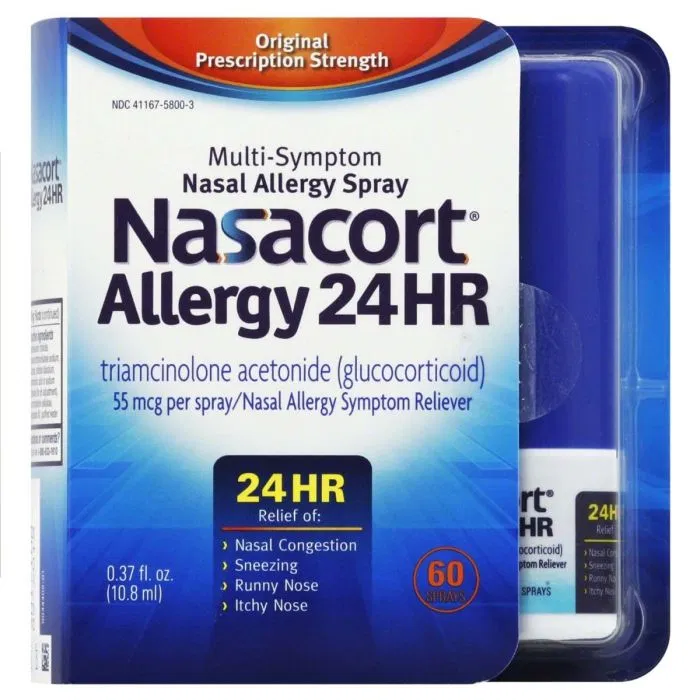
Triamcinolone Acetonide
Nasacort Aqua Nasal SprayStarting at
$35.99
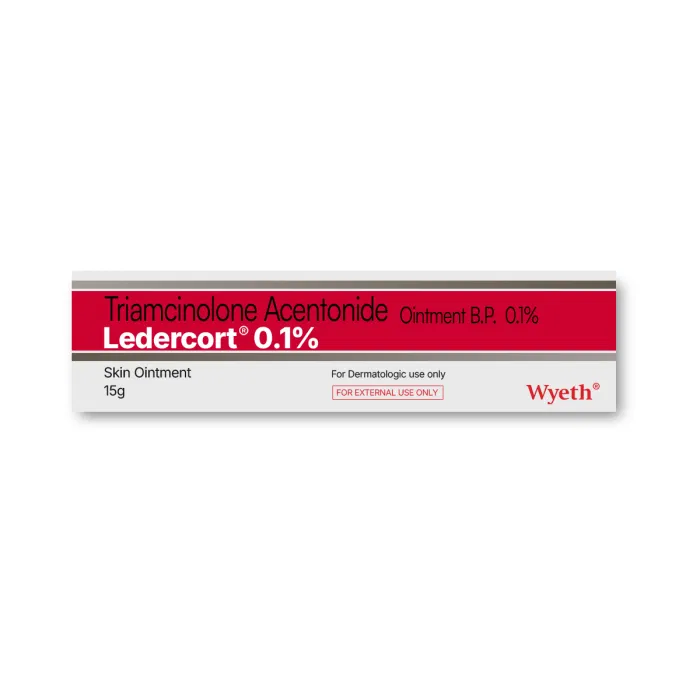
Triamcinolone Acetonide
Ledercort 0.1% Ointment 15 gStarting at
$25.99

Triamcinolone Acetonide
Mucolcer 0.1% OintmentStarting at
$13.99
Triamcinolone Acetonide
Praiscort OintmentStarting at
$21.99
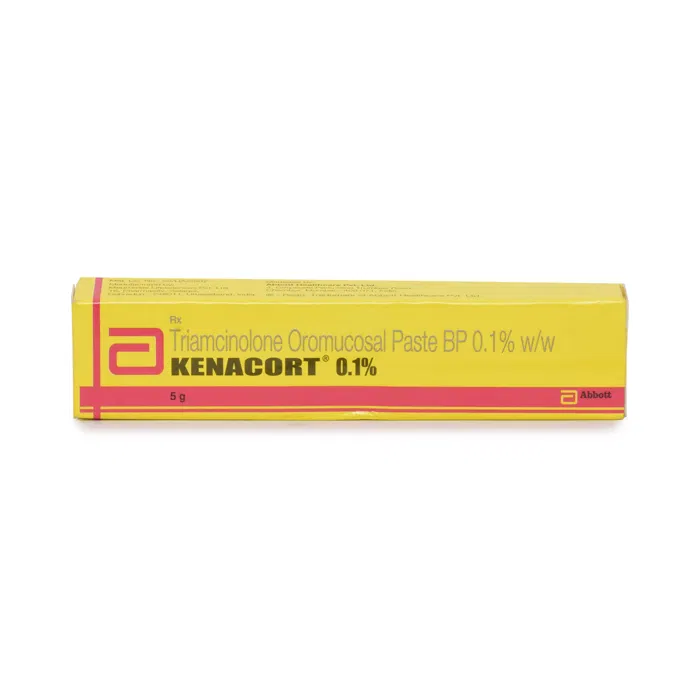
Triamcinolone Acetonide
Kenacort Cream 0.1% (5 g)Starting at
$11.99
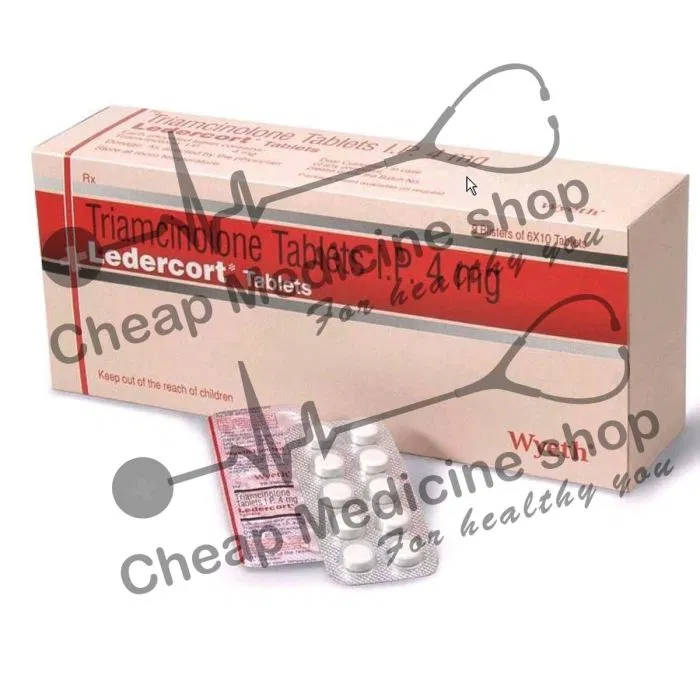
Triamcinolone Acetonide
Ledercort 4 mg TabletStarting at
$9.99
Triamcinolone Acetonide
Triamacort 0.1% OintmentStarting at
$8.99