
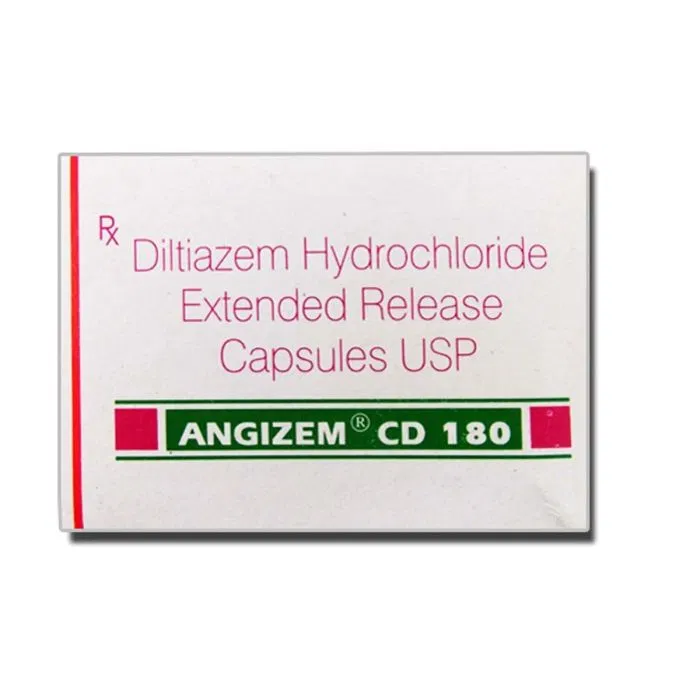
Diltiazem
Angizem 180 mg Tablet★★★★★5.0 (1)
Starting at
$46.99
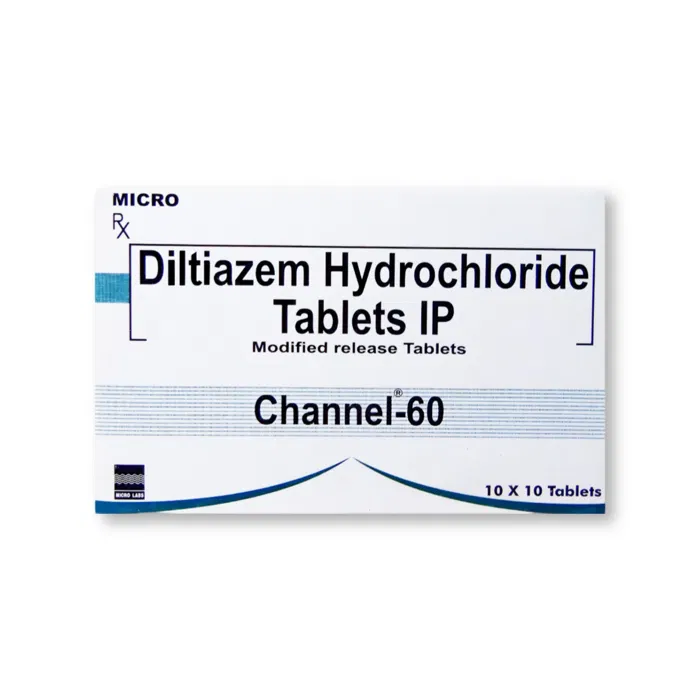
Channel 60 mg Tablet contains diltiazem 60 mg in each tablet. It is an anti-anginal medicine in the calcium channel blocker class, used to help prevent chest pain (angina) and may also be prescribed for certain heart rhythm or blood pressure problems when your doctor decides it is appropriate.
Prescription required — you can upload it at checkout or later
| Pack Size | Qty | Price | Add to cart | Unit Price |
|---|---|---|---|---|
| 100 tablet/s | $16.99 | $0.17 | ||
| 200 tablet/s | $29.99 | $0.15 | ||
| 300 tablet/s | $41.99 | $0.14 |
Save more with our biggest pack
Free shipping on orders of $199 or more
Channel 60 mg Tablet contains diltiazem 60 mg in each tablet. It is an anti-anginal medicine in the calcium channel blocker class, used to help prevent chest pain (angina) and may also be prescribed for certain heart rhythm or blood pressure problems when your doctor decides it is appropriate. Channel 60 mg Tablet works by relaxing blood vessels and reducing the heart's workload, which can improve blood flow to the heart.
How it works: Diltiazem in Channel 60 mg Tablet blocks calcium from entering heart and blood vessel muscle cells, which helps blood vessels relax. This lowers the heart's oxygen demand and can reduce angina symptoms.
Channel 60 mg Tablet is a moderate-strength tablet that may be chosen when a doctor wants a dose that can be adjusted carefully over the day. Because it is a 60 mg tablet, it is often used in people who need more than a lower dose but do not need a higher-strength tablet; your prescriber will decide the timing and total daily amount based on your condition and response.
Each Channel 60 mg Tablet provides 60 mg of diltiazem. Some patients may take it several times a day, but the exact schedule and maximum daily dose depend on the reason it was prescribed, your age, and how you respond to treatment. Your doctor determines the dose; do not change how often you take Channel 60 mg Tablet unless you are told to do so.
Do not change your dose or stop the medicine without speaking to your doctor.
Common side effects of Diltiazem may include:
Get medical help right away if you notice:
Store Channel 60 mg Tablet at room temperature in its original strip/box, away from moisture, heat, and direct light.
Channel 60 mg Tablet is used to help prevent angina, which is chest pain caused by reduced blood flow to the heart. In some patients, a doctor may also use diltiazem for certain heart rhythm problems or blood pressure control.
Take Channel 60 mg Tablet exactly as prescribed and swallow it with water. Do not crush or chew it unless your pharmacist confirms that this specific tablet can be altered safely.
Channel 60 mg Tablet is usually taken to prevent angina rather than to stop sudden chest pain once it starts. If you get new or severe chest pain, seek urgent medical care and follow your doctor's emergency instructions.
Common side effects of Channel 60 mg Tablet include dizziness, headache, flushing, nausea, and swelling in the legs or ankles. Because it is a 60 mg tablet, some people may notice dose-related effects such as a slower heartbeat or more dizziness, especially when starting treatment or after a dose increase.
No written reviews yet.
Same as Diltiazem
Diltiazem
Angizem 180 mg TabletStarting at
$46.99
Diltiazem
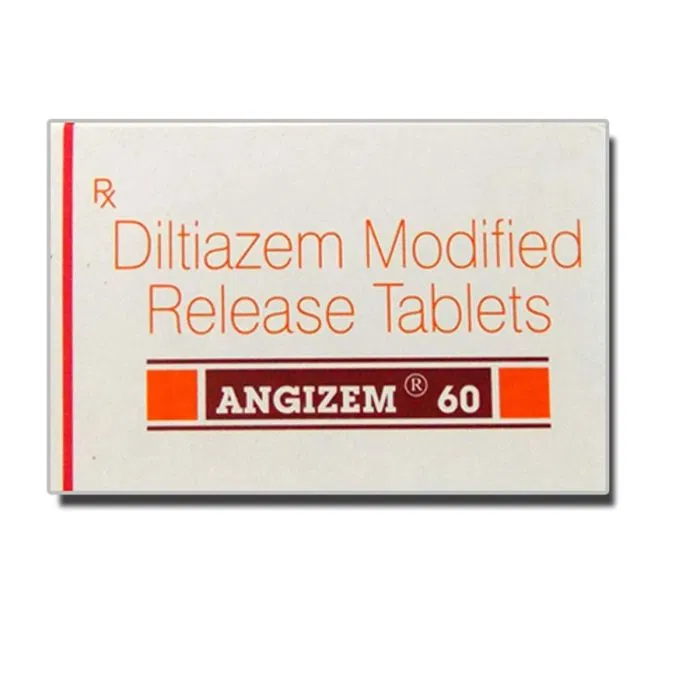
Angizem 60 mg TabletStarting at
$18.99

Diltiazem
Angizem DP 60 mg CapsuleStarting at
$21.99
Diltiazem
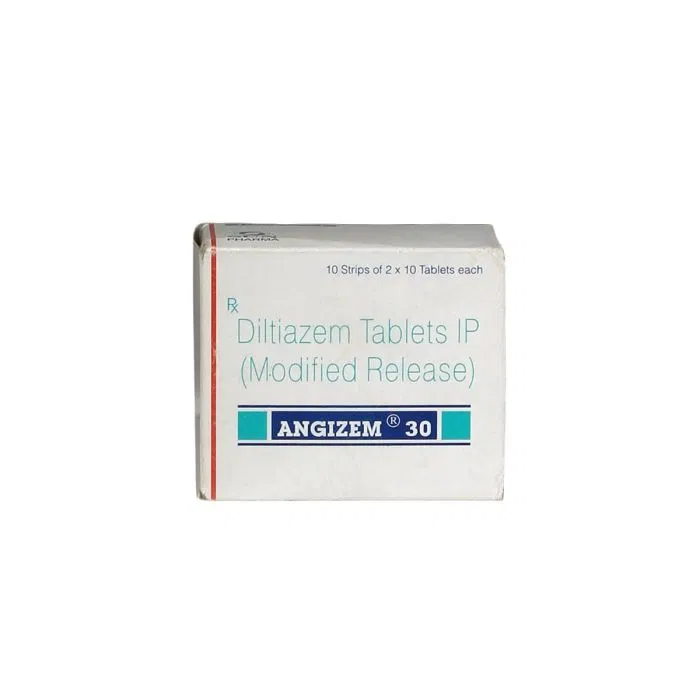
Angizem 30 mg TabletStarting at
$10.99

Diltiazem
Angizem CD 180 mg Capsule ERStarting at
$51.99
Diltiazem
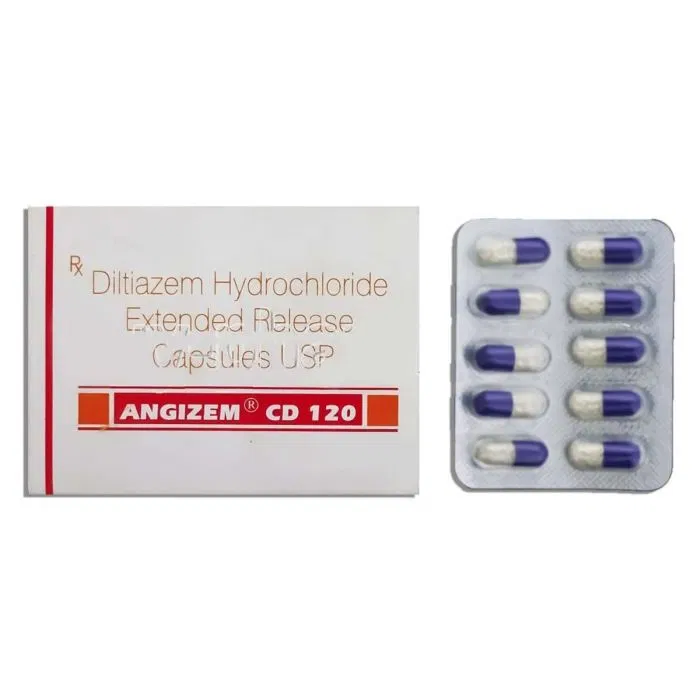
Angizem CD 120 mg CapsuleStarting at
$50.99
Diltiazem
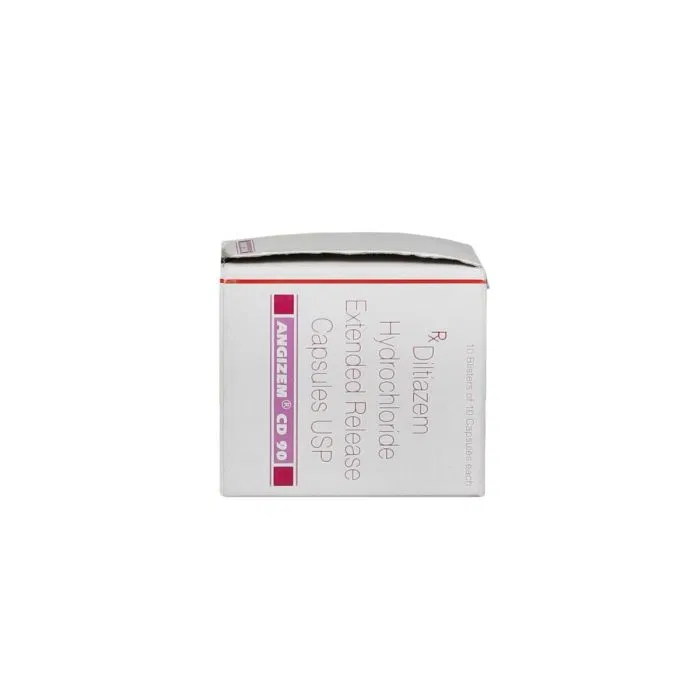
Angizem CD 90 mg TabletStarting at
$28.99

Diltiazem
Angizem DP 120 mg CapsuleStarting at
$38.99