
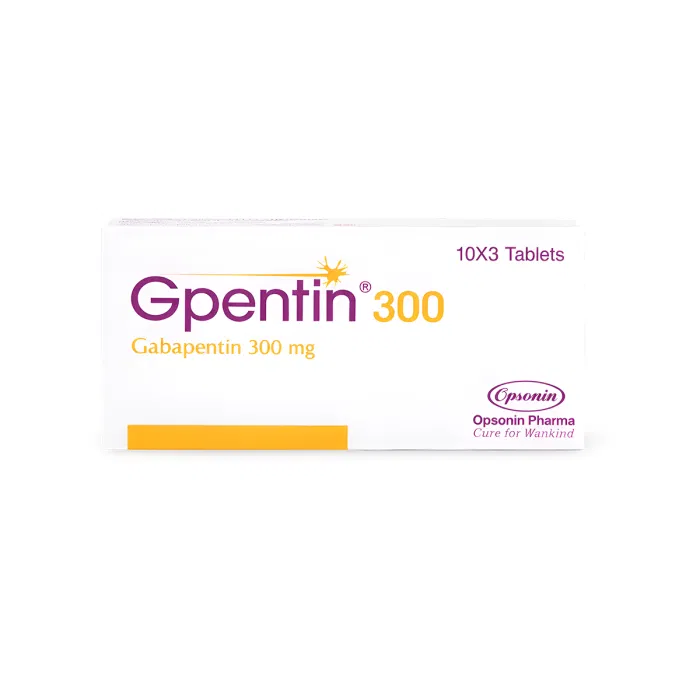
G-Pentin 300 mg Tablet
G-Pentin 300 mg Tablet is an oral gabapentin medicine in tablet form, with each tablet containing 300 mg of gabapentin. It belongs to the anti-convulsant class and is used to help control certain seizure disorders and to relieve nerve pain in adults when prescribed.
Prescription required — you can upload it at checkout or later
| Pack Size | Qty | Price | Add to cart | Unit Price |
|---|---|---|---|---|
| 100 tablet/s | $29.99 | $0.30 | ||
| 200 tablet/s | $54.99 | $0.27 | ||
| 300 tablet/s | $76.99 | $0.26 |
Save more with our biggest pack
- Manufacturer
- Alka Pharma
- Ingredient
- Gabapentin
- Strength
- 300 mg
- Form
- Tablet
- Tablets per strip
- 10
- Prescription
- Required
- Availability
- In stock
- SKU
- CMU6423
Free shipping on orders of $199 or more
What is G-Pentin 300 mg Tablet?
G-Pentin 300 mg Tablet is an oral gabapentin medicine in tablet form, with each tablet containing 300 mg of gabapentin. It belongs to the anti-convulsant class and is used to help control certain seizure disorders and to relieve nerve pain in adults when prescribed. G-Pentin 300 mg Tablet is taken by mouth and is typically used as part of a doctor-directed treatment plan.
How it works: Gabapentin works by calming overactive nerve signals in the brain and nervous system, which can help reduce seizures and nerve pain. In tablet form, G-Pentin 300 mg Tablet provides a measured 300 mg dose that is absorbed after swallowing and then works throughout the body.
Why choose G-Pentin 300 mg Tablet?
G-Pentin 300 mg Tablet is a moderate-strength gabapentin tablet that may be chosen when a prescriber wants a 300 mg dose instead of a lower strength tablet. Because this is a higher tablet strength than some starting doses, it is usually suited for people whose doctor has already assessed their needs and may help reduce the number of tablets taken compared with lower-strength options.
Uses of G-Pentin 300 mg Tablet
- Partial seizures in epilepsy
- Nerve pain after shingles (postherpetic neuralgia)
- Other nerve pain conditions when prescribed
- Adjunct treatment for seizure control
How to take G-Pentin 300 mg Tablet
- Swallow G-Pentin 300 mg Tablet whole with water; do not crush, chew, or break it unless your doctor says otherwise.
- Take it exactly at the times your doctor prescribes, which may be once daily or several times daily depending on your condition.
- You may take G-Pentin 300 mg Tablet with or without food; taking it with food can help if it upsets your stomach.
- Do not stop taking this tablet suddenly unless your prescriber tells you to, because that can worsen seizures or symptoms.
- If you take an antacid that contains aluminum or magnesium, separate it from G-Pentin 300 mg Tablet by at least 2 hours.
G-Pentin 300 mg Tablet dosage
Each G-Pentin 300 mg Tablet provides 300 mg of gabapentin per tablet. The dose may be taken multiple times per day depending on the reason for treatment, and the total daily amount is set by the doctor; many patients are titrated gradually rather than starting at a full maintenance dose. Your prescriber decides the exact schedule and the maximum daily dose for you based on your condition, kidney function, and response.
Do not change your dose or stop the medicine without speaking to your doctor.
G-Pentin 300 mg Tablet side effects
Common side effects of Gabapentin may include:
- Drowsiness, which may be more noticeable with the 300 mg strength
- Dizziness
- Unsteadiness or poor coordination
- Fatigue
- Swelling in the hands or feet
- Blurred vision
- Tremor
Get medical help right away if you notice:
- Severe allergic reaction, including rash, swelling, or trouble breathing
- Mood changes, new or worsening depression, or suicidal thoughts
- Severe dizziness or extreme sleepiness
- Trouble breathing, especially if taken with opioids or other sedatives
Precautions and warnings
- Use caution when driving or operating machinery because G-Pentin 300 mg Tablet can cause sleepiness and dizziness.
- Avoid alcohol unless your doctor says it is safe, since alcohol can worsen sedation and unsteadiness.
- Tell your doctor if you have kidney disease, because gabapentin doses often need adjustment.
- Do not stop this medication abruptly, especially if you take it for seizures.
- Older adults may be more sensitive to dizziness, confusion, and falls with this 300 mg tablet.
- Tell your prescriber about a history of depression or suicidal thoughts before starting treatment.
- Use extra caution if you take opioids, sleeping pills, anxiety medicines, or other medicines that cause drowsiness.
Drug interactions
- Antacids containing aluminum or magnesium
- Opioid pain medicines such as hydrocodone or oxycodone
- Benzodiazepines and other sedatives
- Alcohol
- Other medicines that can cause drowsiness or slow breathing
Storage
Store G-Pentin 300 mg Tablet at room temperature in its original strip or box, away from moisture, heat, and direct light.
Frequently asked questions about G-Pentin 300 mg Tablet
What is G-Pentin 300 mg used for?
G-Pentin 300 mg Tablet is used for certain seizure disorders and for nerve pain, especially nerve pain after shingles, when a doctor prescribes it. It may also be used for other nerve-related pain conditions as part of an individualized treatment plan.
How should I take G-Pentin 300 mg Tablet?
Swallow G-Pentin 300 mg Tablet with water and take it exactly as prescribed, since the timing and frequency can vary. You can take it with or without food, but do not crush or chew the tablet unless your doctor instructs you to do so.
Does G-Pentin 300 mg make you sleepy?
Yes, drowsiness and dizziness are common with G-Pentin 300 mg Tablet. Until you know how it affects you, be careful with driving, alcohol, and other medicines that can cause sleepiness.
Can I stop G-Pentin 300 mg 300 mg Tablet suddenly?
No, you should not stop G-Pentin 300 mg Tablet suddenly unless your doctor tells you to. Stopping abruptly can cause seizures to worsen or bring back symptoms, so dose changes are usually done gradually.
Customer reviews of G-Pentin 300 mg Tablet
No written reviews yet.