
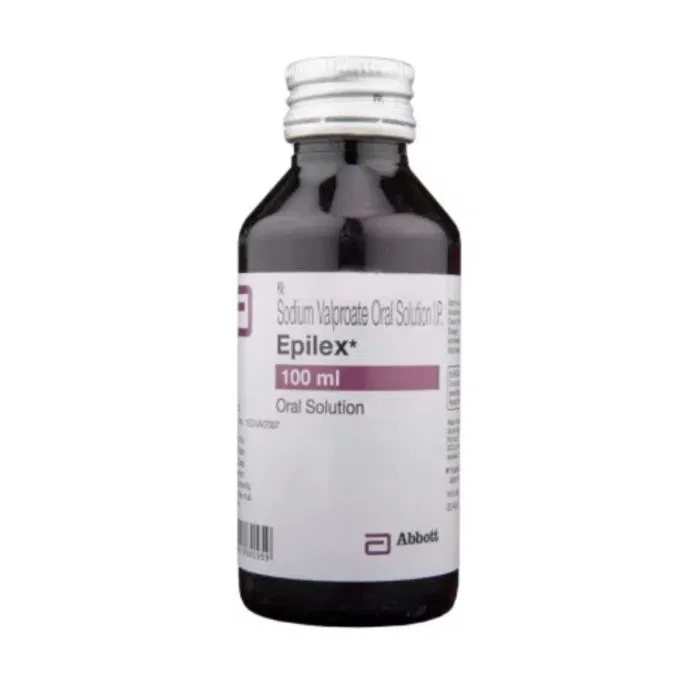
Sodium Valproate
Epilex Oral Solution★★★★★0.0 (0)
Starting at
$40.99
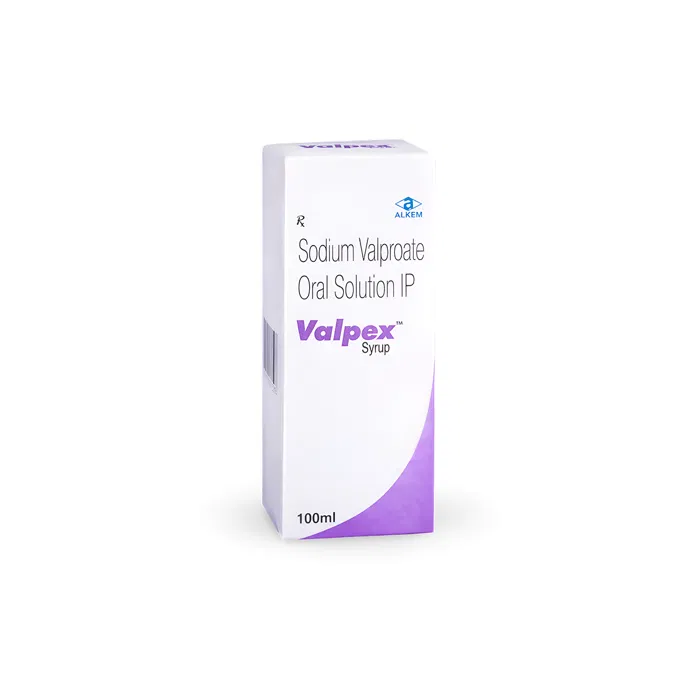
Valpex Syrup contains sodium valproate in each bottle, and it is an anti-convulsant medicine used to help control seizures. This Valpex Syrup formulation may also be prescribed for other neurologic or mood-related conditions when a clinician determines it is appropriate.
Prescription required — you can upload it at checkout or later
| Pack Size | Qty | Price | Add to cart | Unit Price |
|---|---|---|---|---|
| 5 bottle/s | $9.99 | $2.00 | ||
| 10 bottle/s | $17.99 | $1.80 | ||
| 15 bottle/s | $24.99 | $1.67 |
Save more with our biggest pack
Free shipping on orders of $199 or more
Valpex Syrup contains sodium valproate in each bottle, and it is an anti-convulsant medicine used to help control seizures. This Valpex Syrup formulation may also be prescribed for other neurologic or mood-related conditions when a clinician determines it is appropriate. Because it is a syrup, it can be easier to swallow than tablets and can be measured in a dose that suits the patient. The exact amount of sodium valproate per bottle is shown on the label, and Valpex Syrup from Alkem Laboratories is supplied in a strip/box of 10 bottles.
How it works: Sodium valproate helps calm overly active electrical signals in the brain, which can reduce seizures. As a syrup, Valpex Syrup is taken by mouth and absorbed after swallowing, allowing the medicine to start working once it enters the bloodstream.
Valpex Syrup is a liquid, so it can be a practical choice for people who have trouble swallowing solid medicines or who need flexible dose adjustment. Compared with tablet or capsule forms, the syrup may allow smaller, more precise dose changes and may be easier for children or adults who need individualized dosing. This exact strength should only be used under a doctor’s guidance because sodium valproate dosing is based on the patient’s condition, weight, and response.
The amount of sodium valproate in each Valpex Syrup bottle is the labeled strength on the pack, and the doctor uses that strength to build the right total daily dose. Depending on the diagnosis, it may be taken once daily or divided into 2 or more doses per day, and there is no one-size-fits-all maximum for every patient because the prescriber sets the limit based on safety and response. Because this is a prescription anticonvulsant, the dose must be individualized and should not be changed on your own.
Do not change your dose or stop the medicine without speaking to your doctor.
Common side effects of Sodium Valproate may include:
Get medical help right away if you notice:
Store Valpex Syrup at room temperature in the original container, tightly closed, and keep it away from heat, moisture, and children.
Valpex Syrup is a sodium valproate anticonvulsant medicine used mainly to help control seizures. A doctor may also prescribe it for other conditions when the benefit outweighs the risk, based on the patient’s diagnosis and history.
Take Valpex Syrup exactly as prescribed and measure the dose with an oral syringe or dosing cup, not a household spoon. It can usually be taken with or without food, but taking it with food may help if it causes stomach upset.
Yes, drowsiness and dizziness are common with Valpex Syrup, especially when starting treatment or after a dose increase. Avoid driving, alcohol, or other sedating medicines until you know how it affects you.
No, Valpex Syrup should not be stopped suddenly unless your doctor tells you to do so. Stopping abruptly can raise the risk of seizures coming back or becoming worse.
No written reviews yet.
Same as Sodium Valproate
Sodium Valproate
Epilex Oral SolutionStarting at
$40.99
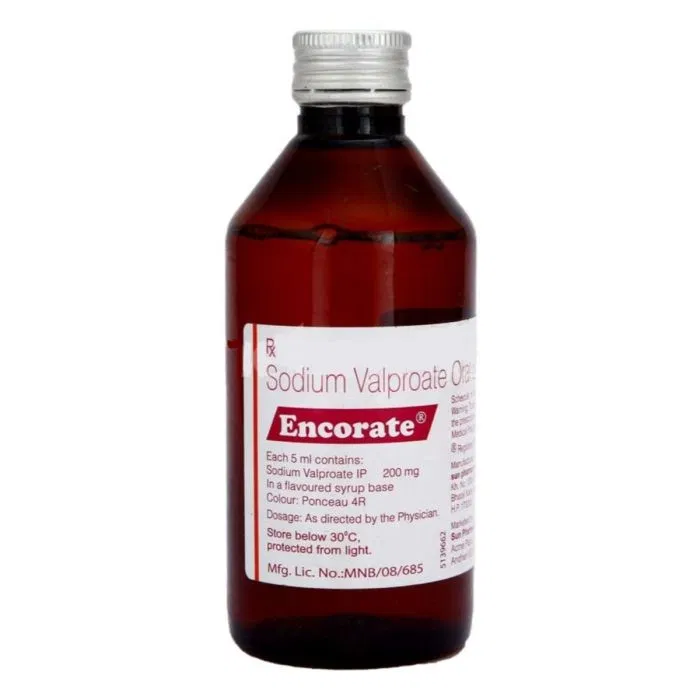
Sodium Valproate
Encorate Oral SolutionStarting at
$26.99
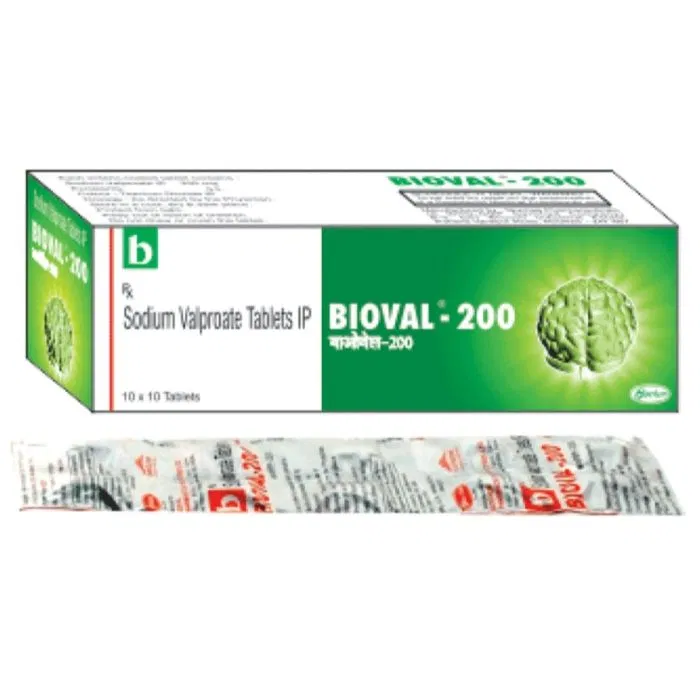
Sodium Valproate
Bioval 200 mg Tablet ECStarting at
$39.99
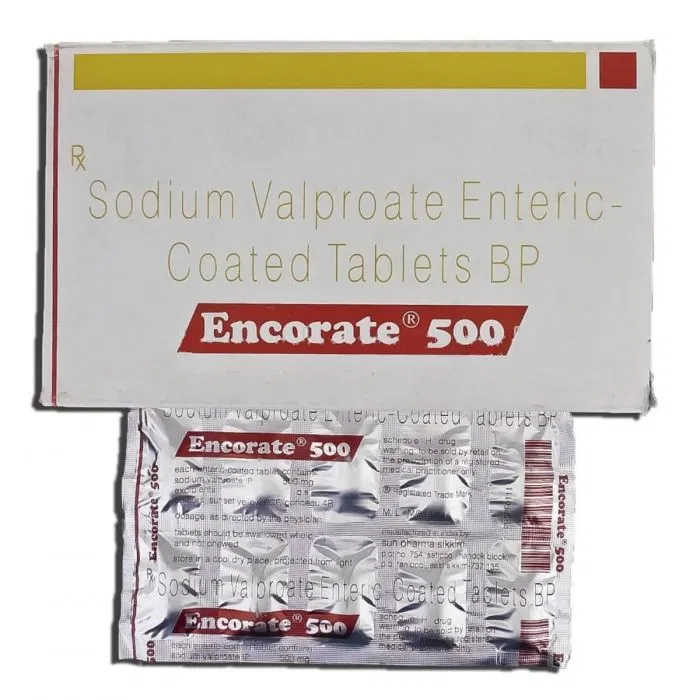
Sodium Valproate
Encorate 500 TabletStarting at
$47.99
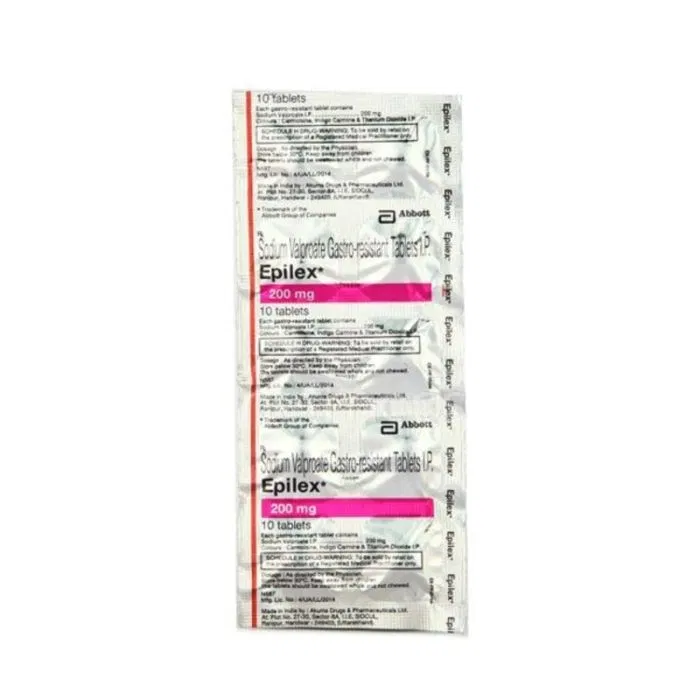
Sodium Valproate
Epilex 200 mg TabletStarting at
$43.99
Sodium Valproate
Aloval 500 mg Tablet CRStarting at
$74.99
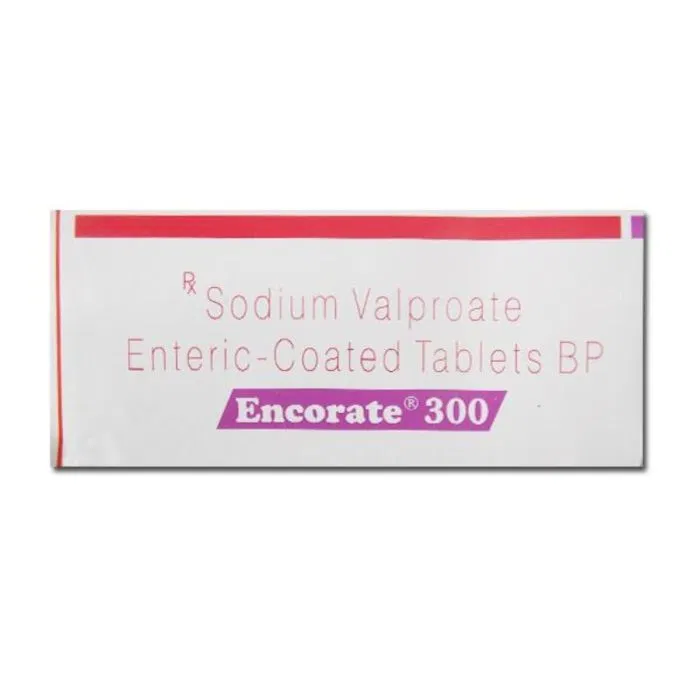
Sodium Valproate
Encorate 300 TabletStarting at
$27.99
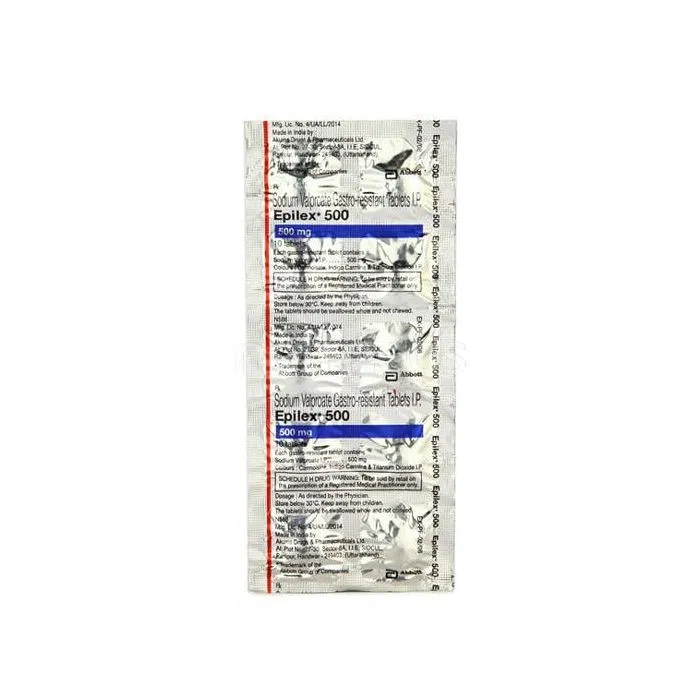
Sodium Valproate
Epilex 500 TabletStarting at
$23.99