
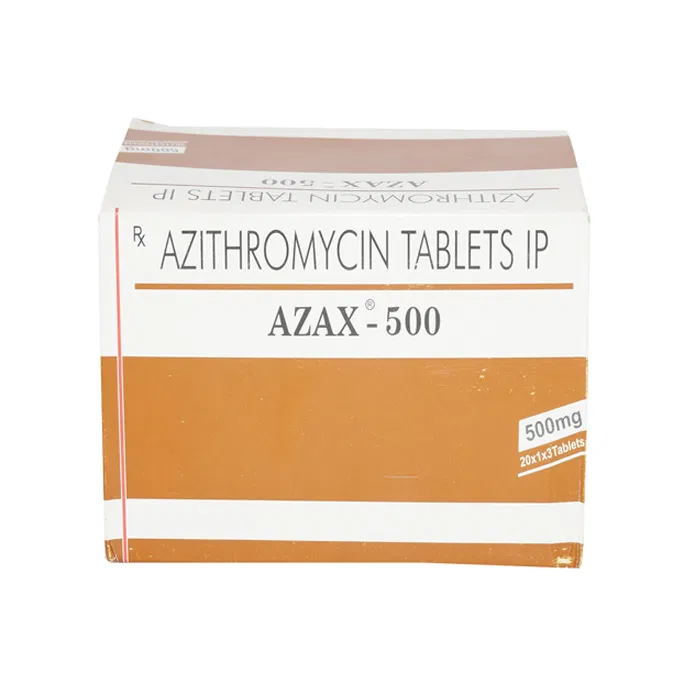
Azithromycin
Azax 500 mg Tablet★★★★★5.0 (2)
Starting at
$25.99
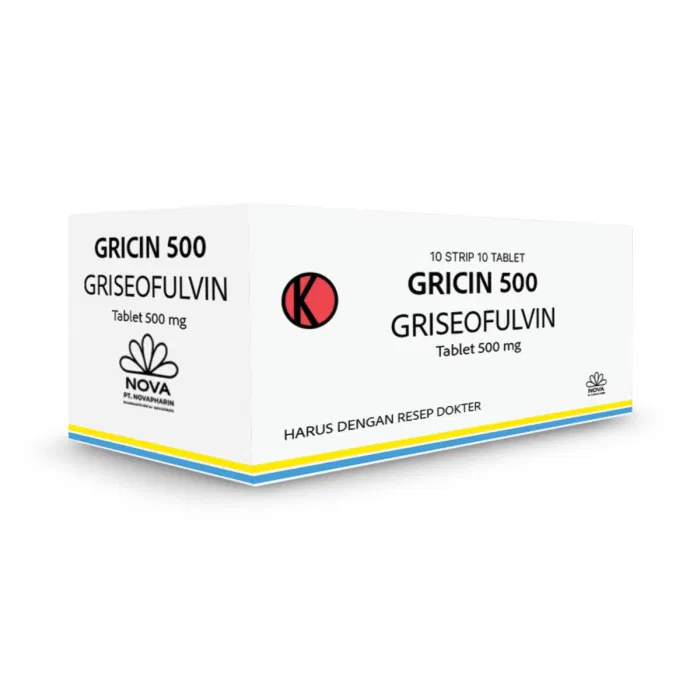
Gricin 500 mg Tablet is a prescription antibiotic that contains 500 mg of azithromycin in each tablet. It belongs to the macrolide class of antibiotics and is used to treat certain bacterial infections, not viral illnesses like colds or flu.
Prescription required — you can upload it at checkout or later
| Pack Size | Qty | Price | Add to cart | Unit Price |
|---|---|---|---|---|
| 30 tablet/s | $42.99 | $1.43 | ||
| 60 tablet/s | $82.99 | $1.38 | ||
| 90 tablet/s | $116.99 | $1.30 |
Save more with our biggest pack
Free shipping on orders of $199 or more
Gricin 500 mg Tablet is a prescription antibiotic that contains 500 mg of azithromycin in each tablet. It belongs to the macrolide class of antibiotics and is used to treat certain bacterial infections, not viral illnesses like colds or flu. Gricin 500 mg Tablet may be prescribed for infections of the respiratory tract, skin, ear, throat, or some sexually transmitted infections when a clinician determines azithromycin is appropriate.
How it works: Azithromycin works by stopping bacteria from making the proteins they need to grow and multiply. As a tablet, Gricin 500 mg is swallowed and absorbed into the body, where it helps your immune system clear the infection.
The 500 mg strength is a higher-dose azithromycin tablet, so it is usually chosen for adults or older adolescents who need a doctor-directed treatment plan rather than a low-dose start. Because each Gricin 500 mg Tablet delivers a full 500 mg in one tablet, it can be used in schedules that rely on fewer tablets per dose, but the exact regimen depends on the infection being treated.
Each Gricin 500 mg Tablet contains 500 mg of azithromycin, so it is a higher-strength tablet and not the same as a lower-dose starter tablet. Depending on the infection, a doctor may prescribe it once daily or in another limited schedule, and the maximum amount per day must be set by the prescriber based on the condition being treated. Do not change the dose on your own, even if symptoms improve quickly.
Do not change your dose or stop the medicine without speaking to your doctor.
Common side effects of Azithromycin may include:
Get medical help right away if you notice:
Store Gricin 500 mg Tablet at room temperature in the original strip/box, away from excess heat, moisture, and direct light.
Gricin 500 mg is an azithromycin tablet used to treat certain bacterial infections as prescribed by a doctor. It is not effective for colds, flu, or other viral infections.
Swallow Gricin 500 mg Tablet with water and take it exactly on the schedule your doctor gives you. It can usually be taken with or without food, but food may help if it causes stomach upset.
No, you should complete the full course of Gricin 500 mg even if your symptoms improve early. Stopping too soon can allow the infection to come back or become harder to treat.
Common side effects include nausea, diarrhea, stomach pain, and headache. Get urgent medical help if you notice trouble breathing, a fast or irregular heartbeat, severe diarrhea, or signs of an allergic reaction.
No written reviews yet.
Same as Azithromycin
Azithromycin
Azax 500 mg TabletStarting at
$25.99
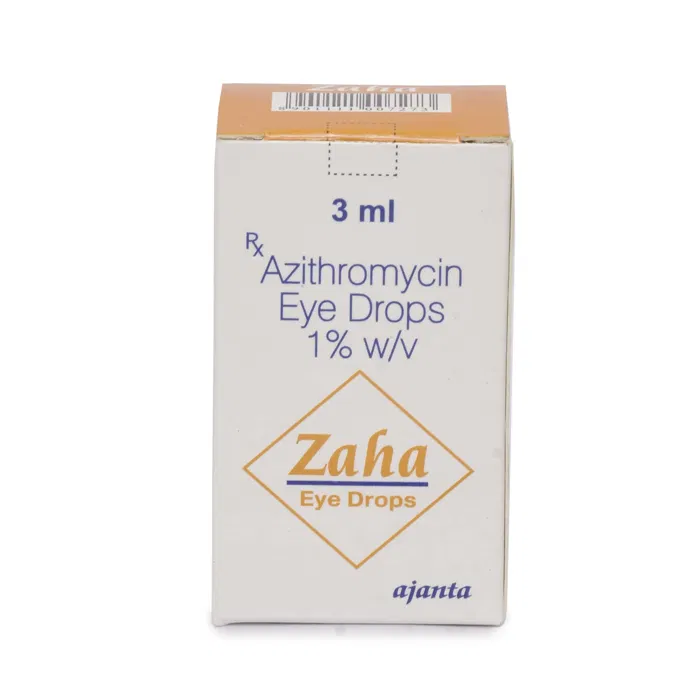
Azithromycin
Zaha Eye Drop 3 mLStarting at
$12.99
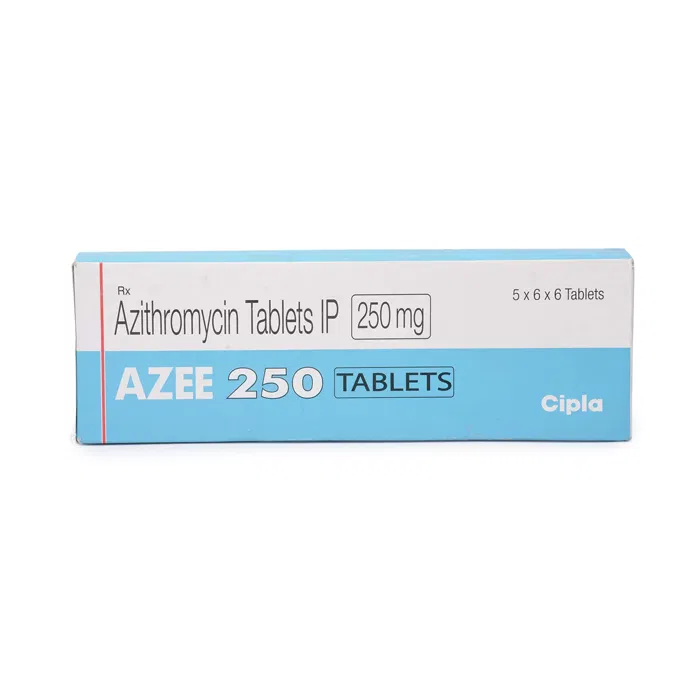
Azithromycin
Azee 250 mg TabletStarting at
$25.99

Azithromycin
Azax 100 mg/5 mL SuspensionStarting at
$22.99
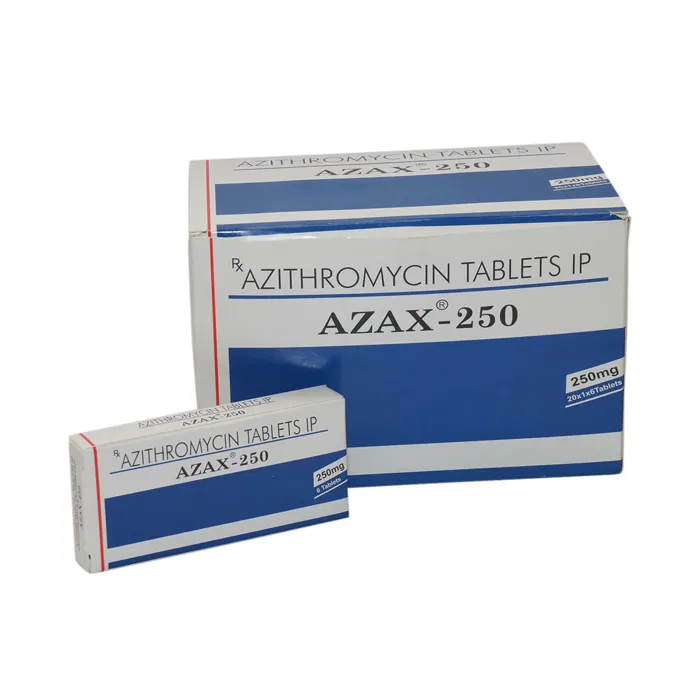
Azithromycin
Azax 250 mg TabletStarting at
$25.99
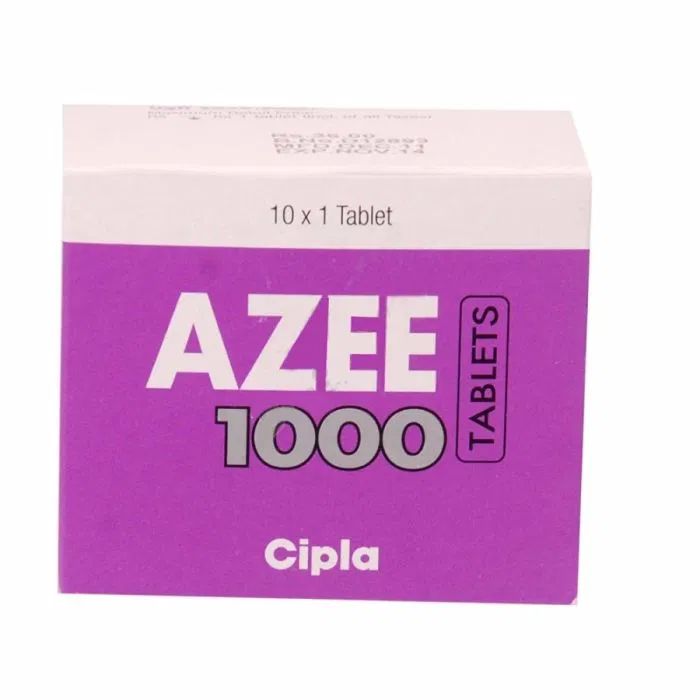
Azithromycin
Azee 1000 mg TabletStarting at
$124.99
Azithromycin
Azee 200 mg/5 mL Rediuse Liquid Oral SuspensionStarting at
$27.99

Azithromycin
Azee 100 mg/5 mL Rediuse SuspensionStarting at
$19.99