
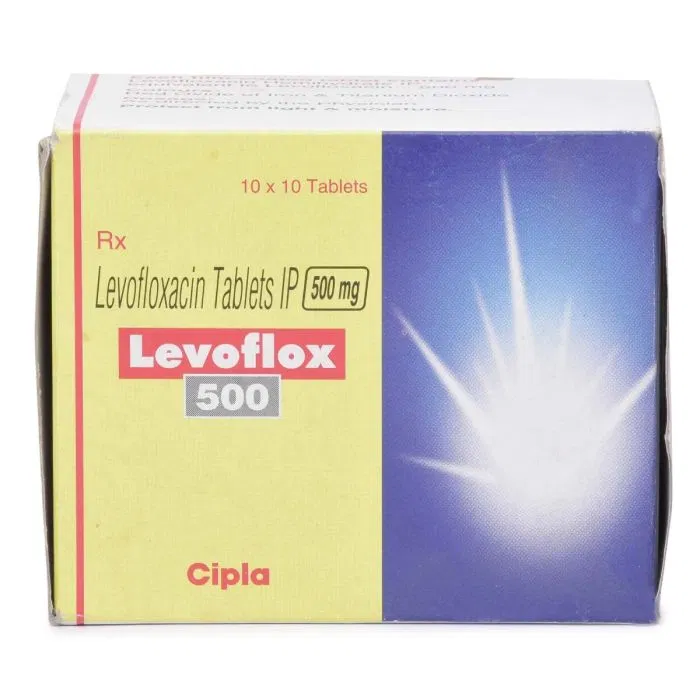
Levofloxacin
Levoflox 500 mg Tablet★★★★★0.0 (0)
Starting at
$19.99
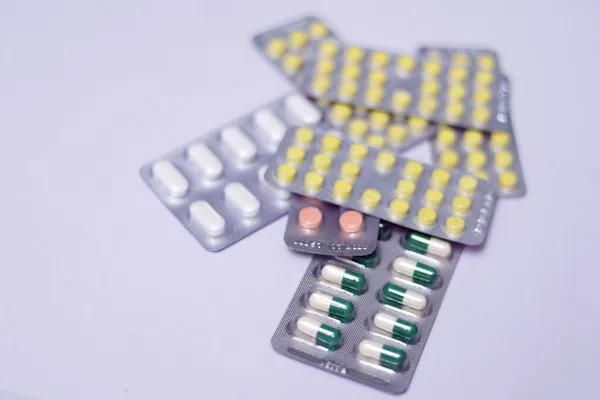
Levolarge 250 mg Tablet is an antibiotic tablet that contains 250 mg of levofloxacin in each tablet. Levofloxacin belongs to the fluoroquinolone class of antibiotics and is used to treat certain bacterial infections, not viral illnesses like colds or flu.
Prescription required — you can upload it at checkout or later
| Pack Size | Qty | Price | Add to cart | Unit Price |
|---|---|---|---|---|
| 60 tablet/s | $25.99 | $0.43 | ||
| 90 tablet/s | $31.99 | $0.36 | ||
| 120 tablet/s | $33.99 | $0.28 |
Save more with our biggest pack
Free shipping on orders of $199 or more
Levolarge 250 mg Tablet is an antibiotic tablet that contains 250 mg of levofloxacin in each tablet. Levofloxacin belongs to the fluoroquinolone class of antibiotics and is used to treat certain bacterial infections, not viral illnesses like colds or flu. It may be prescribed for infections of the lungs, urinary tract, skin, prostate, and some sinus infections when the bacteria are expected to respond to levofloxacin. Levolarge 250 mg Tablet should be used only when a clinician has determined that this specific antibiotic and strength are appropriate.
How it works: Levofloxacin works by blocking bacterial enzymes that bacteria need to copy their DNA and survive. In tablet form, Levolarge 250 mg Tablet delivers the medicine by mouth so it can be absorbed into the bloodstream and reach the site of infection.
Levolarge 250 mg Tablet is a lower-strength tablet, which can be useful when a prescriber wants more flexible dosing than higher-strength levofloxacin tablets would allow. Because it is 250 mg per tablet, it may be chosen for certain milder infections, dose adjustments, or stepwise treatment plans rather than for every infection that levofloxacin can treat. Your doctor selects the dose based on the infection, kidney function, and how you are responding.
Each Levolarge 250 mg Tablet provides 250 mg of levofloxacin. Depending on the infection and your kidney function, it may be taken once daily or, less commonly, on a different schedule directed by your doctor; the exact dose and duration are individualized. Do not take more than the amount prescribed, and the maximum daily dose is set by your prescriber based on your condition and safety needs.
Do not change your dose or stop the medicine without speaking to your doctor.
Common side effects of Levofloxacin may include:
Get medical help right away if you notice:
Store Levolarge 250 mg Tablet in its original strip or box at room temperature, away from moisture, heat, and direct light.
Levolarge 250 mg is an antibiotic tablet used for certain bacterial infections such as urinary tract infections, lung infections, and some skin infections. It should only be used when a doctor prescribes it for a bacterial infection, because it will not treat viral illnesses.
Swallow Levolarge 250 mg Tablet with water and follow the exact schedule your doctor gives you. Avoid taking it too close to antacids, iron, zinc, magnesium, calcium, or sucralfate because they can lower how much medicine your body absorbs.
Levolarge 250 mg Tablet is a lower-strength levofloxacin tablet, and it is not the highest dose used for every infection. A doctor may choose this strength when a smaller dose or more flexible dosing is appropriate based on the infection and your kidney function.
Common side effects include nausea, diarrhea, headache, dizziness, and trouble sleeping. Seek urgent medical help if you develop tendon pain, numbness or tingling, severe diarrhea, a rash with swelling, or a fast or irregular heartbeat.
No written reviews yet.
Same as Levofloxacin
Levofloxacin
Levoflox 500 mg TabletStarting at
$19.99
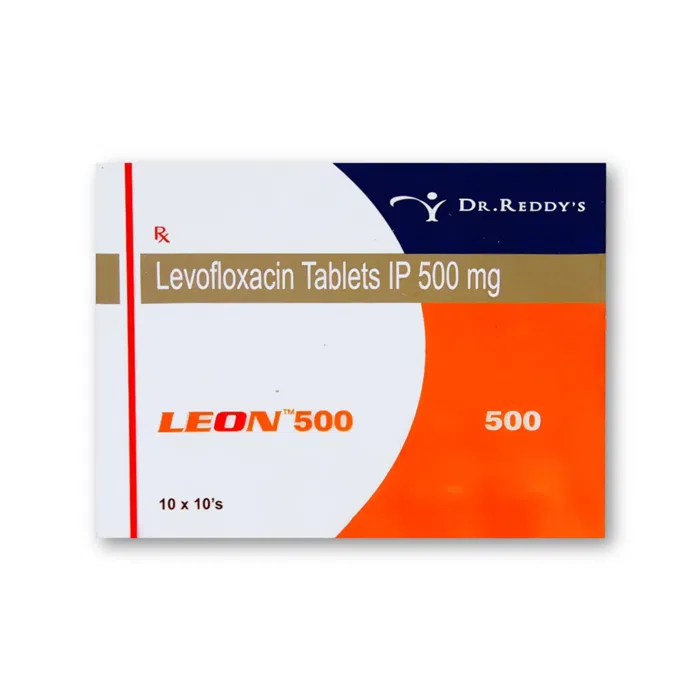
Levofloxacin
Leon 500 TabletStarting at
$63.99

Levofloxacin
Alevo 500 mg TabletStarting at
$23.99
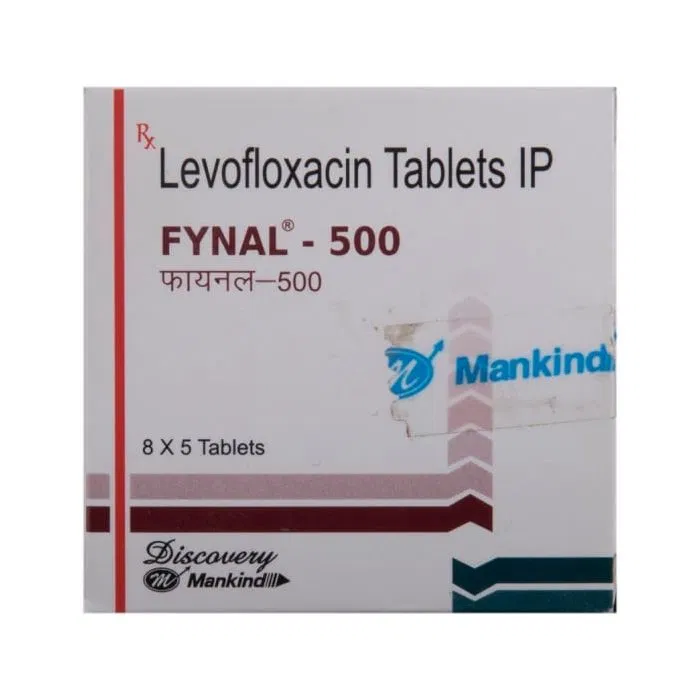
Levofloxacin
Fynal 500 TabletStarting at
$59.99
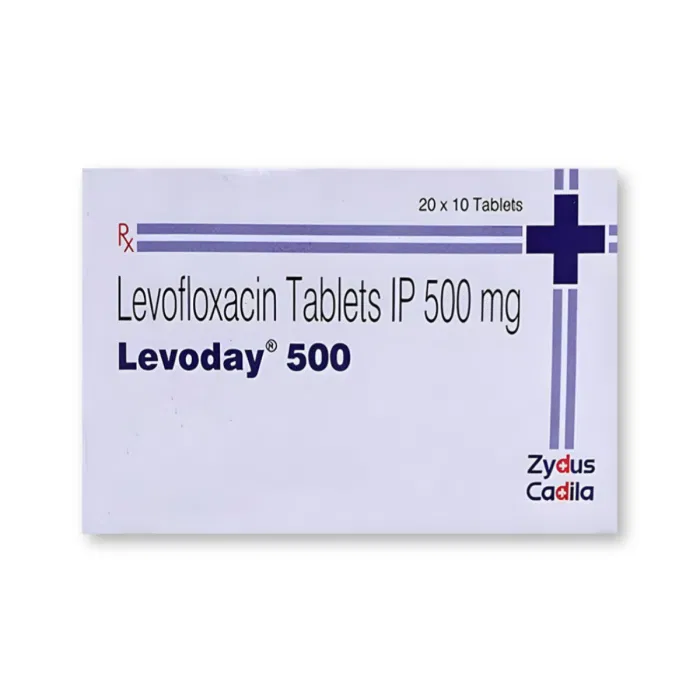
Levofloxacin
Levoday 500 TabletStarting at
$73.99
Levofloxacin
Alevo 250 mg TabletStarting at
$15.99
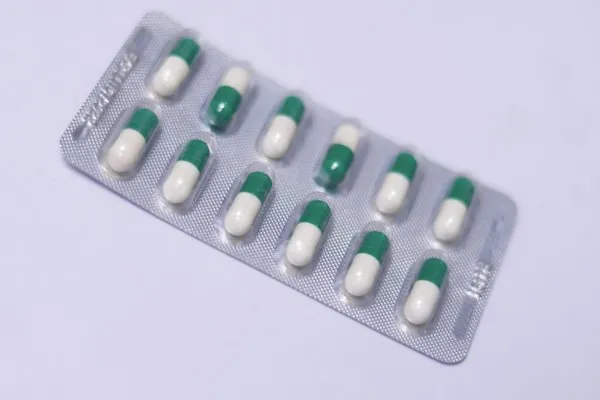
Levofloxacin
Alevo 750 mg TabletStarting at
$38.99
Levofloxacin
Levoflox 250 mg TabletStarting at
$20.99