
Tiotropium
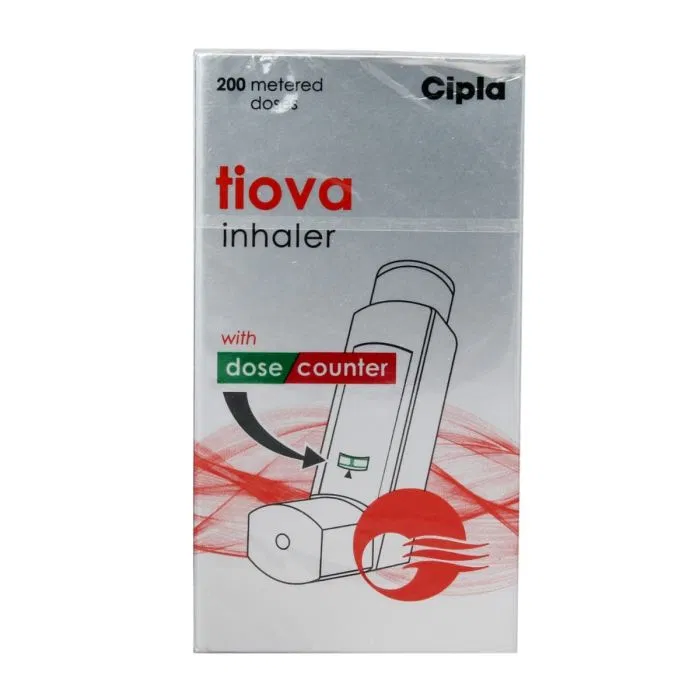
Tiova Inhaler 9 mcg★★★★★5.0 (1)
Starting at
$36.99
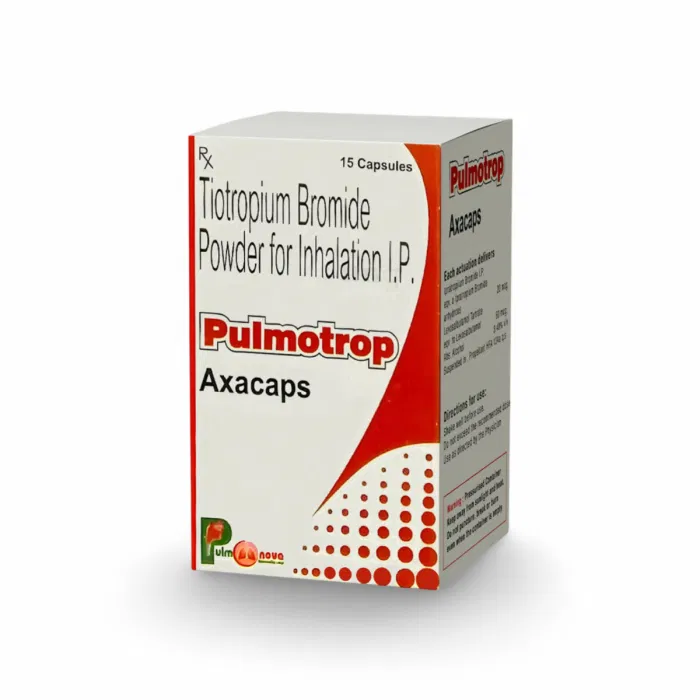
Pulmotrop Inhaler is a tiotropium inhalation medicine supplied by AXA Parenterals Ltd. in a box of 10 inhalers.
Prescription required — you can upload it at checkout or later
| Pack Size | Qty | Price | Add to cart | Unit Price |
|---|---|---|---|---|
| 2 inhaler/s | $16.99 | $8.49 | ||
| 4 inhaler/s | $29.99 | $7.50 | ||
| 6 inhaler/s | $41.99 | $7.00 |
Save more with our biggest pack
Free shipping on orders of $199 or more
Pulmotrop Inhaler is a tiotropium inhalation medicine supplied by AXA Parenterals Ltd. in a box of 10 inhalers. Each Pulmotrop Inhaler contains tiotropium as labelled, a long-acting anticholinergic bronchodilator used for maintenance treatment of asthma. It helps keep the airways open over time and is not meant for quick relief of sudden breathing trouble.
How it works: Tiotropium blocks muscarinic receptors in the lungs, which helps relax the airway muscles and reduce tightening. With the Pulmotrop Inhaler, the medicine is inhaled directly into the lungs so it can work locally to help keep airways open and support easier breathing over time.
This as-labelled Pulmotrop Inhaler strength is meant for patients whose doctor has decided they need tiotropium in this specific inhaler presentation, rather than a lower or different form. Because there are no sibling strengths or forms listed for this brand, the key difference is that this product delivers the exact labeled tiotropium dose in inhaler form for regular maintenance use, not emergency relief.
Pulmotrop Inhaler provides tiotropium in the exact amount labeled on each inhaler, and the dose is taken by inhalation. This medicine is usually used once daily, but your doctor decides the right schedule and whether any adjustment is appropriate for your asthma treatment. Do not use more than the prescribed amount or more often than directed.
Do not change your dose or stop the medicine without speaking to your doctor.
Common side effects of Tiotropium may include:
Get medical help right away if you notice:
Store Pulmotrop Inhaler in its original box at room temperature, away from moisture, heat, and direct light, and keep it out of reach of children.
Pulmotrop Inhaler is a tiotropium maintenance inhaler used to help control asthma symptoms over time. It is not a rescue inhaler and should not be used for sudden shortness of breath.
Pulmotrop Inhaler is usually taken once daily, but your doctor should give you the exact schedule for your situation. Do not use extra doses unless your prescriber tells you to.
No, Pulmotrop Inhaler does not work quickly enough to treat an asthma attack. Keep using your rescue inhaler exactly as prescribed for sudden symptoms.
Common side effects include dry mouth, sore throat, cough, and hoarseness. More serious problems such as eye pain, trouble urinating, or worsening breathing need prompt medical attention.
No written reviews yet.
Same as Tiotropium
Tiotropium
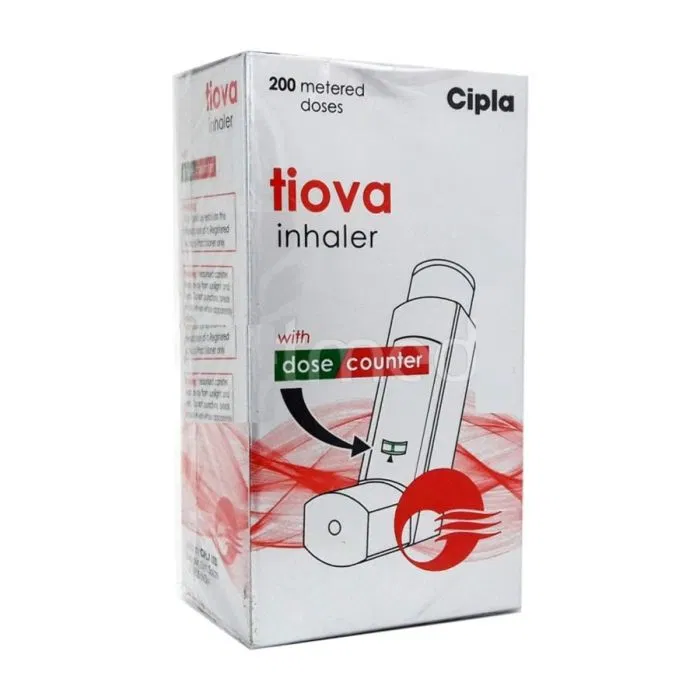
Tiova Inhaler 9 mcgStarting at
$36.99
Tiotropium
Tiova 18 mcg MultihalerStarting at
$100.99
Tiotropium
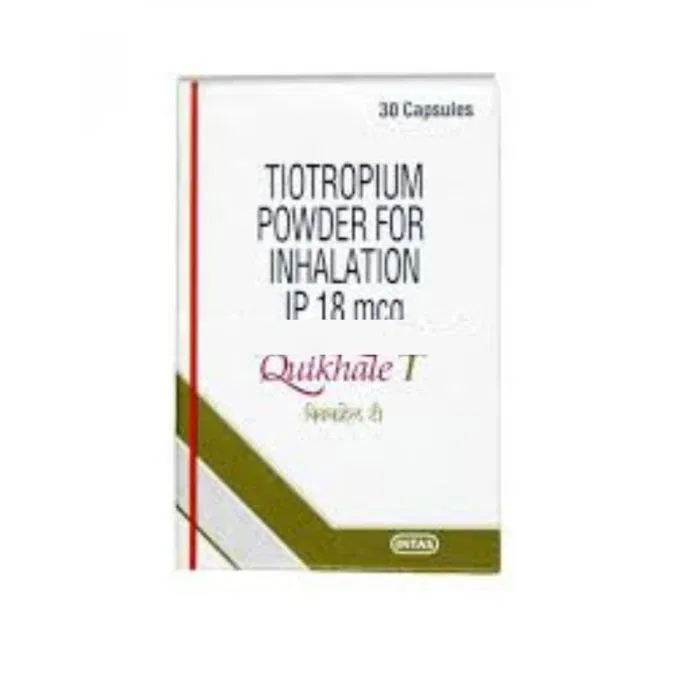
Quikhale T 18 mcg CapsuleStarting at
$32.99
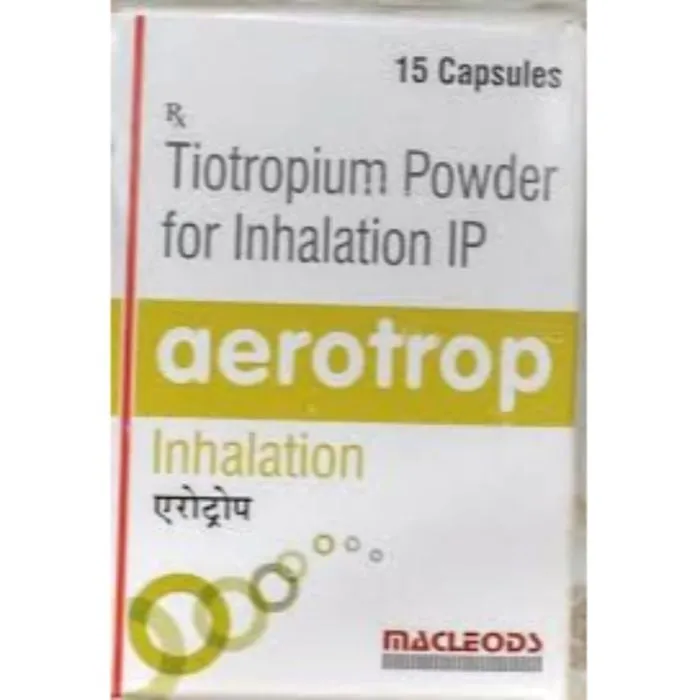
Tiotropium
Aerotrop 18 mcg RotacapStarting at
$37.99
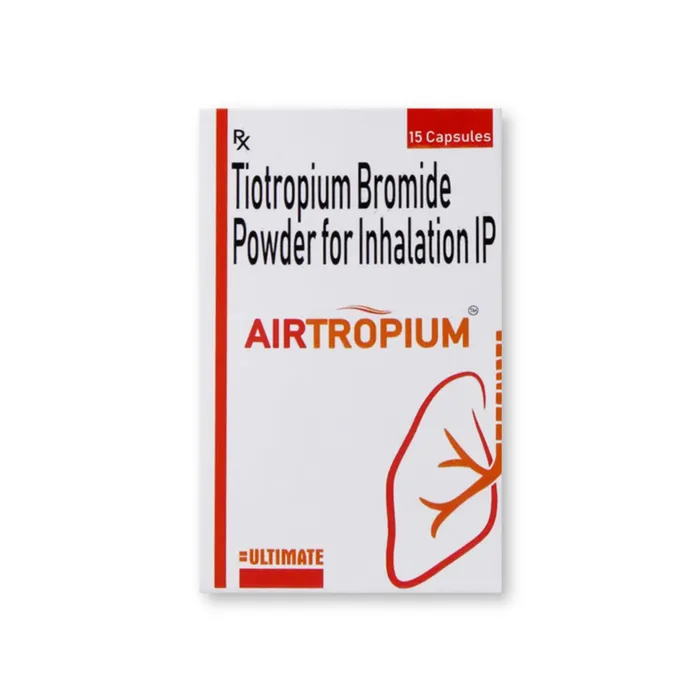
Tiotropium
Airtropium CapsuleStarting at
$27.99

Tiotropium
Alveotio 9 InhalerStarting at
$8.99
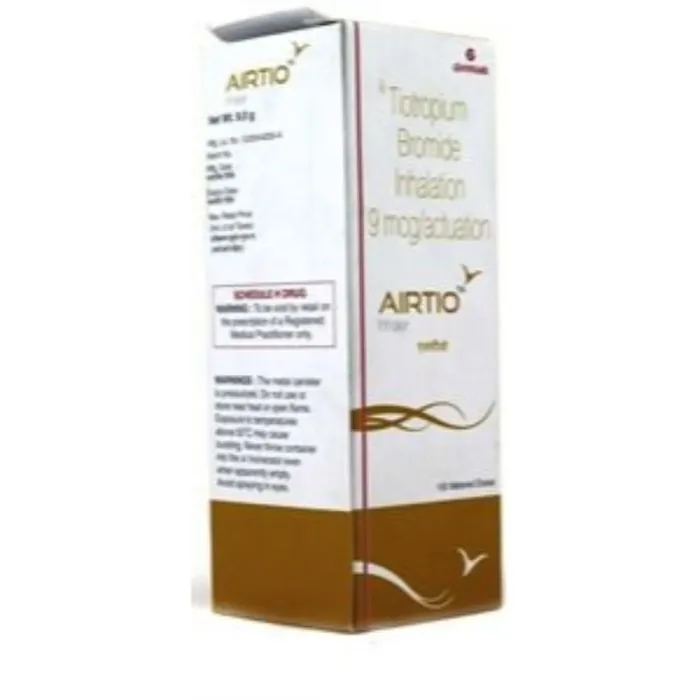
Tiotropium
Airtio 9 mcg InhalerStarting at
$119.99
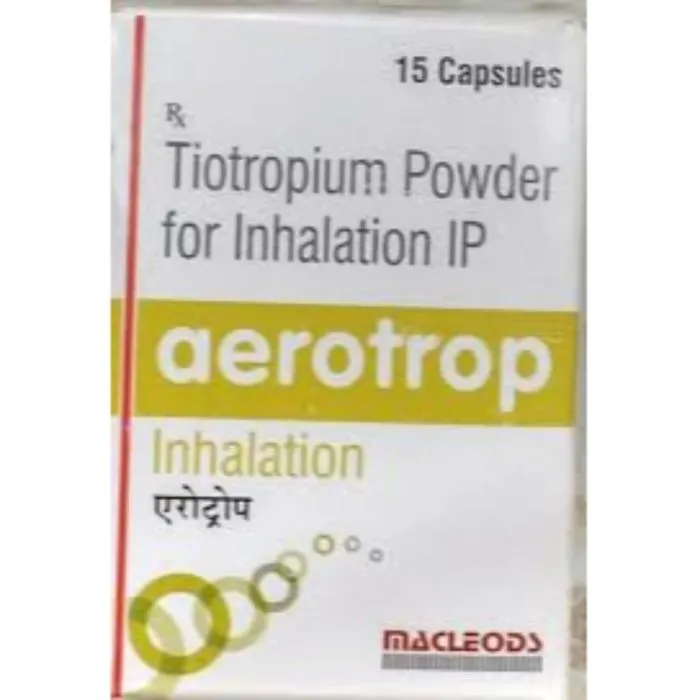
Tiotropium
Aerotrop 18 mcg CapsuleStarting at
$32.99