
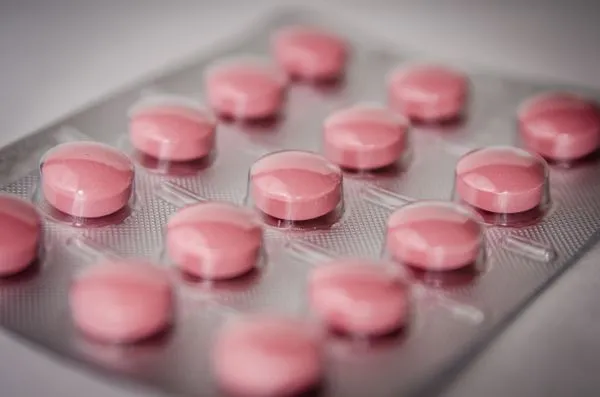
Glimda 1 mg Tablet
Glimda 1 mg Tablet is a prescription diabetes medicine that contains 1 mg of glimepiride in each tablet. Glimepiride belongs to the sulfonylurea class, which helps lower blood sugar in adults with type 2 diabetes.
Prescription required — you can upload it at checkout or later
| Pack Size | Qty | Price | Add to cart | Unit Price |
|---|---|---|---|---|
| 60 tablet/s | $21.99 | $0.37 | ||
| 90 tablet/s | $30.99 | $0.34 | ||
| 120 tablet/s | $36.99 | $0.31 |
Save more with our biggest pack
- Manufacturer
- Cipla, India
- Ingredient
- Glimepiride
- Strength
- 1 mg
- Form
- Tablet
- Tablets per strip
- 10
- Prescription
- Required
- Availability
- In stock
- SKU
- CMU6053
Free shipping on orders of $199 or more
What is Glimda 1 mg Tablet?
Glimda 1 mg Tablet is a prescription diabetes medicine that contains 1 mg of glimepiride in each tablet. Glimepiride belongs to the sulfonylurea class, which helps lower blood sugar in adults with type 2 diabetes. It is used along with diet and exercise to improve glucose control, and it is not for treating type 1 diabetes or diabetic ketoacidosis. Glimda 1 mg Tablet is taken by mouth as a standard tablet and is usually chosen when a doctor wants a lower starting or adjustment dose.
How it works: Glimda 1 mg Tablet works by helping the pancreas release more insulin, which lowers the amount of sugar in the bloodstream. As a tablet, it is swallowed and absorbed so the medicine can start working systemically to improve blood glucose control over time.
Why choose Glimda 1 mg Tablet?
Glimda 1 mg Tablet is the lower-strength tablet in glimepiride treatment and is often used when a doctor wants to begin cautiously or fine-tune blood sugar control. Because 1 mg is a smaller dose, it may be better suited for people who are newly starting glimepiride, are older, eat irregularly, or are at higher risk of low blood sugar. This strength helps physicians make small dose changes before moving to higher glimepiride tablets if needed.
Uses of Glimda 1 mg Tablet
- Type 2 diabetes blood sugar control
- Add-on therapy when diet and exercise are not enough
- Dose starting point for glimepiride treatment
- Blood sugar management in adults
How to take Glimda 1 mg Tablet
- Swallow Glimda 1 mg Tablet whole with water; do not chew or crush it unless your doctor tells you otherwise.
- Take it with breakfast or the first main meal of the day to help reduce the risk of low blood sugar.
- Take it at the same time each day so your blood sugar routine stays consistent.
- Do not skip meals after taking Glimda 1 mg Tablet, since this can increase the chance of hypoglycemia.
- Follow your doctor’s instructions exactly if your dose is increased, decreased, or split during treatment.
- Check your blood sugar as advised, especially when starting this 1 mg tablet or changing your diet, activity, or other medicines.
Glimda 1 mg Tablet dosage
Each Glimda 1 mg Tablet provides 1 mg of glimepiride. The usual total daily dose may be taken once daily, but your doctor decides the exact schedule based on your blood sugar response; the maximum recommended total daily dose is 8 mg. This 1 mg strength is commonly used for starting treatment or cautious dose adjustment, not as a one-size-fits-all dose.
Do not change your dose or stop the medicine without speaking to your doctor.
Glimda 1 mg Tablet side effects
Common side effects of Glimepiride may include:
- Low blood sugar, especially if meals are skipped or activity increases
- Dizziness
- Headache
- Nausea
- Weight gain
- Stomach discomfort
Get medical help right away if you notice:
- Severe hypoglycemia with confusion, fainting, or seizures
- Allergic reaction such as rash, swelling, or trouble breathing
- Liver problems with yellowing of the skin or eyes
- Severe skin reaction with blistering or peeling
Precautions and warnings
- Do not use Glimda 1 mg Tablet for type 1 diabetes or diabetic ketoacidosis.
- This medicine can cause low blood sugar, so be careful with driving or operating machinery until you know how it affects you.
- Alcohol can increase the risk of hypoglycemia and may also worsen side effects.
- Tell your doctor if you have kidney disease, liver disease, heart disease, or a history of low blood sugar.
- Older adults and people who eat irregularly may need extra caution with this 1 mg tablet.
- Do not take more than prescribed just because your blood sugar is high; dose changes should be made by your doctor.
- Carry a quick source of sugar with you in case low blood sugar symptoms happen.
Drug interactions
- Insulin and other diabetes medicines can increase the risk of low blood sugar.
- Alcohol may increase hypoglycemia risk.
- Beta blockers can mask warning signs of low blood sugar.
- Certain antibiotics, antifungals, and other prescription medicines can change glimepiride effects.
- Warfarin and some other medicines may interact and need monitoring.
Storage
Store Glimda 1 mg Tablet in its original strip/box at room temperature, away from excess heat, moisture, and direct light.
Frequently asked questions about Glimda 1 mg Tablet
What is Glimda 1 mg used for?
Glimda 1 mg is used to help lower blood sugar in adults with type 2 diabetes. It works best when taken with a diabetes-friendly diet, regular exercise, and blood sugar monitoring.
How do I take Glimda 1 mg Tablet?
Take Glimda 1 mg Tablet by mouth with water, usually with breakfast or the first main meal of the day. Do not change the dose on your own, because glimepiride can cause low blood sugar if the timing or amount is not right for you.
What side effects should I watch for with Glimda 1 mg?
The most important side effect to watch for is low blood sugar, which can happen if you skip meals, drink alcohol, or are very active. Seek urgent help for severe symptoms such as fainting, seizures, trouble breathing, or swelling of the face or throat.
Customer reviews of Glimda 1 mg Tablet
No written reviews yet.