
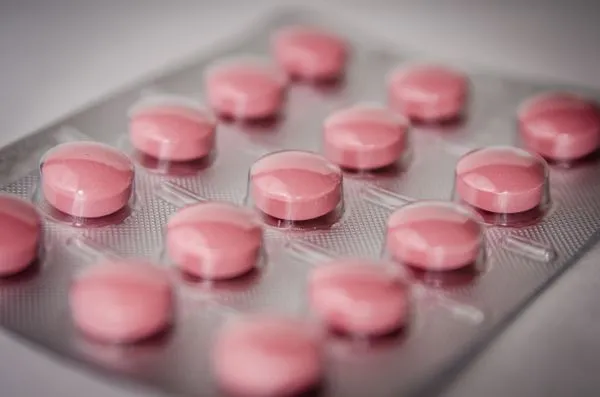
Glibenclamide
Glybovin 5 mg Tablet★★★★★5.0 (1)
Starting at
$3.99
Glinil 5 mg Tablet is a prescription diabetes medicine that contains 5 mg of glibenclamide in each tablet. It belongs to the sulfonylurea class, which helps lower blood sugar in people with type 2 diabetes.
Prescription required — you can upload it at checkout or later
| Pack Size | Qty | Price | Add to cart | Unit Price |
|---|---|---|---|---|
| 200 tablet/s | $22.99 | $0.11 | ||
| 400 tablet/s | $42.99 | $0.11 | ||
| 600 tablet/s | $60.99 | $0.10 |
Save more with our biggest pack
Free shipping on orders of $199 or more
Glinil 5 mg Tablet is a prescription diabetes medicine that contains 5 mg of glibenclamide in each tablet. It belongs to the sulfonylurea class, which helps lower blood sugar in people with type 2 diabetes. Glinil 5 mg Tablet is used along with diet and exercise to improve blood sugar control. Because it can cause low blood sugar, it should be taken only when prescribed and monitored by a clinician.
How it works: Glibenclamide works by helping the pancreas release more insulin, which lowers the amount of sugar in the blood. In tablet form, Glinil 5 mg Tablet is absorbed after swallowing and works systemically to support blood glucose control throughout the day.
Glinil 5 mg Tablet is a higher-strength glibenclamide tablet, so it is generally used when a doctor has decided that a 5 mg dose is appropriate for the patient’s needs. Compared with lower-strength tablets of the same medicine, this strength delivers more drug in one tablet and may produce a stronger blood-sugar-lowering effect, so it is not a good choice for someone who has not been assessed for this dose.
Each Glinil 5 mg Tablet provides 5 mg of glibenclamide. The doctor decides how often it is taken based on blood sugar readings, diet, and other medicines; it may be taken once daily or in divided doses depending on the treatment plan. The total daily dose should not exceed the amount your prescriber recommends, and this strength is not meant to be adjusted on your own.
Do not change your dose or stop the medicine without speaking to your doctor.
Common side effects of Glibenclamide may include:
Get medical help right away if you notice:
Store Glinil 5 mg Tablet in its original strip/box at room temperature, away from moisture, heat, and direct light.
Glinil 5 mg is used to help lower blood sugar in adults with type 2 diabetes. It is taken together with diet and exercise, and your doctor may use it when lifestyle changes alone are not enough.
Swallow Glinil 5 mg Tablet with water, usually with a meal or shortly before eating. Taking it on a regular schedule helps reduce the chance of low blood sugar.
Yes, glibenclamide can cause hypoglycemia, and the risk can be higher with a 5 mg tablet if the dose is more than your body needs. Know the symptoms, such as sweating, shakiness, hunger, and confusion, and get help if they are severe.
Not always. Glinil 5 mg Tablet is a higher-strength glibenclamide tablet, so it is usually chosen only when a doctor has decided that this dose fits your treatment plan.
No written reviews yet.
Same as Glibenclamide
Glibenclamide
Glybovin 5 mg TabletStarting at
$3.99
Glibenclamide
Daonil 5 mg TabletStarting at
$2.99
Glibenclamide
Glyboral 2.5 mg TabletStarting at
$117.99
Glibenclamide
Glucosafe 5 mg TabletStarting at
$11.99
Glibenclamide
Glucosil 5 mg TabletStarting at
$9.99
Glibenclamide
Glucosafe 2.5 mg TabletStarting at
$58.99
Glibenclamide
Afdiex 5 mg TabletStarting at
$48.99
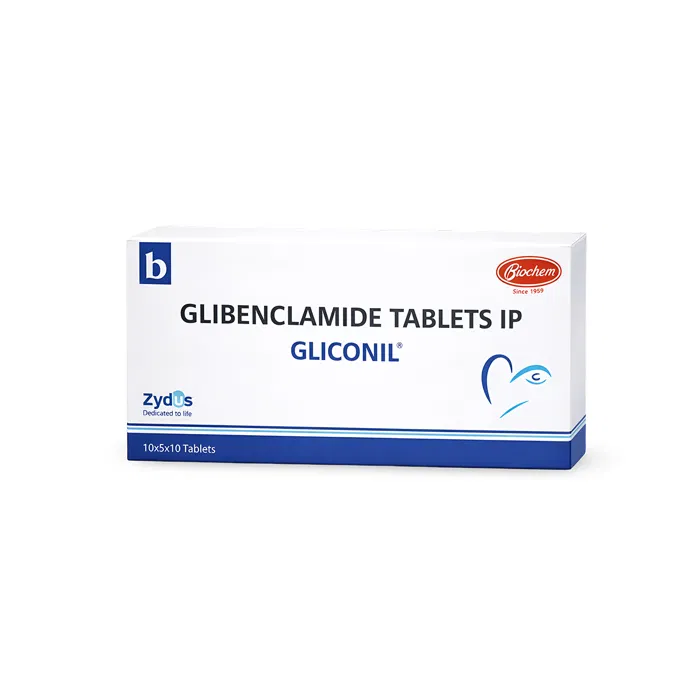
Glibenclamide
Gliconil 5 mg TabletStarting at
$9.99