
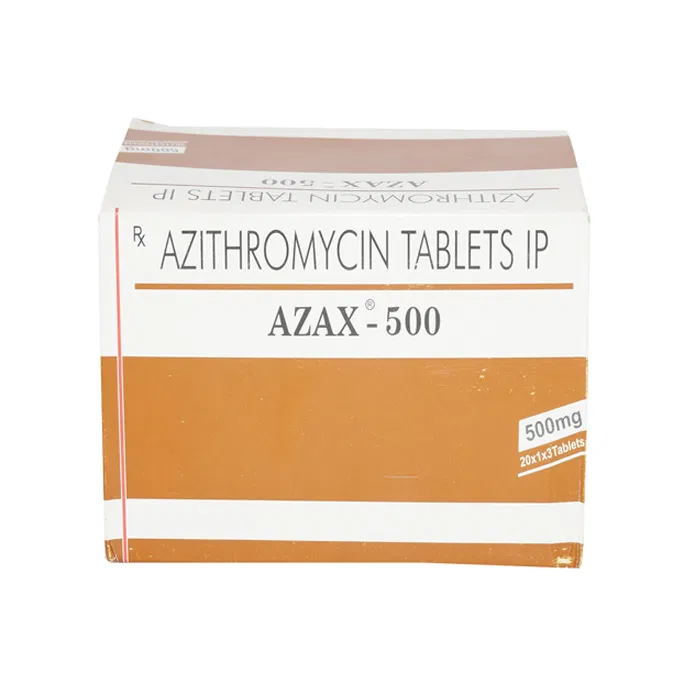
Azithromycin
Azax 500 mg Tablet★★★★★5.0 (2)
Starting at
$25.99

Optithrocin Eye Drop is an azithromycin eye drop made by Entod Pharmaceuticals and supplied as a strip/box of 10 eye drops. Each drop contains azithromycin as labelled on the pack, and it belongs to the macrolide antibiotic class.
Prescription required — you can upload it at checkout or later
| Pack Size | Qty | Price | Add to cart | Unit Price |
|---|---|---|---|---|
| 4 eye drop/s | $36.99 | $9.25 | ||
| 6 eye drop/s | $53.99 | $9.00 | ||
| 8 eye drop/s | $70.99 | $8.87 |
Save more with our biggest pack
Free shipping on orders of $199 or more
Optithrocin Eye Drop is an azithromycin eye drop made by Entod Pharmaceuticals and supplied as a strip/box of 10 eye drops. Each drop contains azithromycin as labelled on the pack, and it belongs to the macrolide antibiotic class. It is used to treat certain bacterial eye infections, especially infections affecting the conjunctiva and related eye tissues. Optithrocin Eye Drop works only for bacterial infections and will not treat viral or allergic eye problems.
How it works: Azithromycin stops bacteria from making the proteins they need to grow and multiply. As an eye drop, Optithrocin Eye Drop places the medicine right where the infection is, helping reduce the bacterial load on the eye surface.
Because Optithrocin Eye Drop is an eye-drop formulation, it delivers azithromycin directly to the eye rather than through the whole body. If the labelled strength is higher than some other ophthalmic options, a doctor may choose it when a more concentrated local antibiotic effect is needed or when the infection is judged to need prescription treatment. Since there are no sibling strengths or forms listed for this brand, the exact labeled strength and the prescriber’s schedule are especially important.
Each dose of Optithrocin Eye Drop provides azithromycin in the amount printed on the label for this specific product. The exact number of drops and how often to use them are determined by the doctor based on the eye condition, and the schedule should be followed exactly; do not increase the frequency on your own.
Do not change your dose or stop the medicine without speaking to your doctor.
Common side effects of Azithromycin may include:
Get medical help right away if you notice:
Store Optithrocin Eye Drop as directed on the package insert, keep the bottle tightly closed, and do not use it after the expiration date.
Optithrocin Eye Drop is an azithromycin eye drop used for certain bacterial eye infections. It should be used only when a doctor believes the infection is caused by bacteria that this medicine can treat.
Use Optithrocin Eye Drop exactly as prescribed, usually by placing the ordered number of drops into the affected eye at the scheduled times. Wash your hands first, avoid touching the dropper tip, and keep contact lenses out until your doctor says they can be worn again.
Some people notice less irritation within a few days, but the full course should still be completed exactly as directed. If the eye gets worse or you do not improve, contact your doctor promptly.
It is usually best not to wear contact lenses while you have an eye infection and while using Optithrocin Eye Drop unless your doctor says otherwise. Lenses can irritate the eye and may interfere with healing.
No written reviews yet.
Same as Azithromycin
Azithromycin
Azax 500 mg TabletStarting at
$25.99
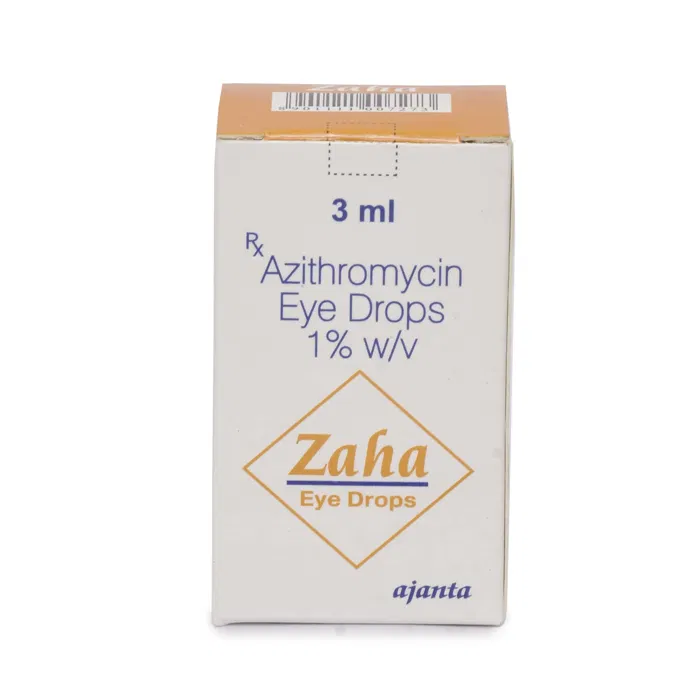
Azithromycin
Zaha Eye Drop 3 mLStarting at
$12.99
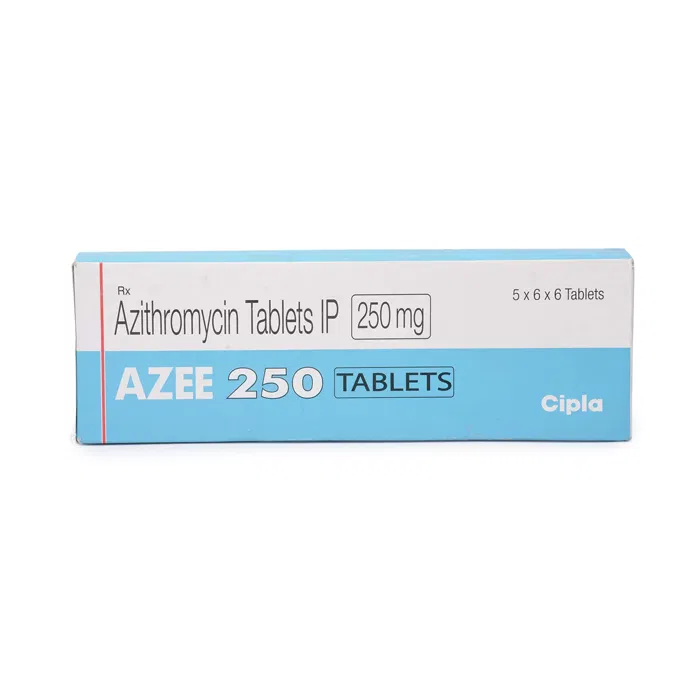
Azithromycin
Azee 250 mg TabletStarting at
$25.99

Azithromycin
Azax 100 mg/5 mL SuspensionStarting at
$22.99
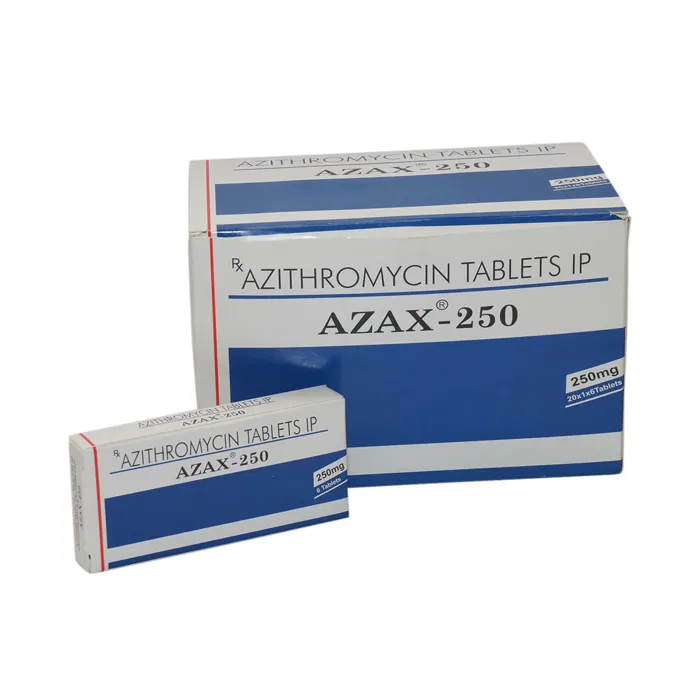
Azithromycin
Azax 250 mg TabletStarting at
$25.99

Azithromycin
Azee 1000 mg TabletStarting at
$124.99
Azithromycin
Azee 200 mg/5 mL Rediuse Liquid Oral SuspensionStarting at
$27.99

Azithromycin
Azee 100 mg/5 mL Rediuse SuspensionStarting at
$19.99