
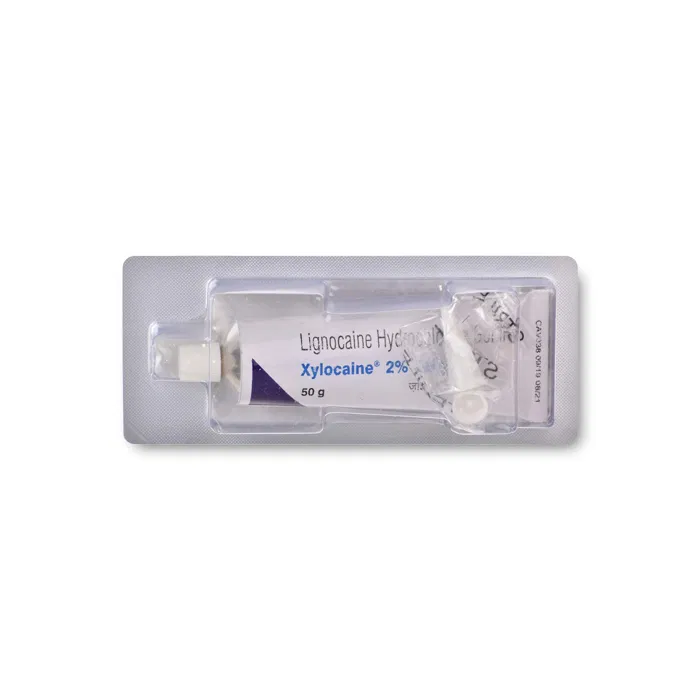
Xylocaine Jelly
Xylocaine Jelly is a lidocaine oral jelly used to numb mucous membranes and reduce pain or discomfort in the mouth and throat area. Each tube contains lidocaine as labelled by the manufacturer, Zydus Healthcare, India, in a jelly form designed for local anesthesia.
Prescription required — you can upload it at checkout or later
| Pack Size | Qty | Price | Add to cart | Unit Price |
|---|---|---|---|---|
| 3 tube/s | $42.99 | $14.33 | ||
| 6 tube/s | $79.99 | $13.33 | ||
| 9 tube/s | $112.99 | $12.55 |
Save more with our biggest pack
- Manufacturer
- Zydus Healthcare, India
- Ingredient
- Lidocaine
- Form
- Oral Jelly
- Prescription
- Required
- Availability
- In stock
- SKU
- CMU8833
Free shipping on orders of $199 or more
What is Xylocaine Jelly?
Xylocaine Jelly is a lidocaine oral jelly used to numb mucous membranes and reduce pain or discomfort in the mouth and throat area. Each tube contains lidocaine as labelled by the manufacturer, Zydus Healthcare, India, in a jelly form designed for local anesthesia. It belongs to the local anesthetic class and is used when a clinician wants temporary numbing before procedures or for painful mouth and throat conditions. Xylocaine Jelly is not a treatment for infection or the cause of pain; it helps with symptom relief by reducing sensation in the treated area.
How it works: Lidocaine works by blocking sodium channels in nerve endings, which stops pain signals from traveling to the brain. In oral jelly form, Xylocaine Jelly coats the area so the numbing effect starts where it is applied and helps lessen pain during short procedures or irritation.
Why choose Xylocaine Jelly?
Xylocaine Jelly is a higher-strength, local-use oral jelly that is meant for people a doctor has assessed and specifically chosen this form for, rather than a routine self-care product. Compared with Xylocaine Spray, the jelly stays on the tissue longer and can be better suited when more targeted, longer-lasting numbing is needed in the mouth or throat.
Uses of Xylocaine Jelly
- Short-term numbing of the mouth or throat
- Pain relief before dental or minor oral procedures
- Local anesthesia for irritated oral tissues
- Reducing discomfort from sores or inflamed mucosa
- Helping with procedures that require throat or mouth numbing
How to take Xylocaine Jelly
- Use Xylocaine Jelly only exactly as your doctor instructs for the mouth or throat area.
- Apply a small amount to the affected area with clean hands or as directed by your clinician; do not swallow large amounts.
- Do not eat or drink until the numbness starts to wear off, because the jelly can reduce your ability to feel hot food, choking, or accidental bites.
- Use it shortly before the procedure or before the time your doctor advises, since it is meant for temporary numbing.
- Do not use it in larger amounts or more often than prescribed, even if the first application does not seem strong enough.
- If the tube or package has specific instructions from the manufacturer or pharmacist, follow those directions for the oral jelly form.
Xylocaine Jelly dosage
The dose in Xylocaine Jelly is lidocaine as labelled per tube, and the exact amount used depends on the area being treated and the reason for use. Your doctor decides how much to apply, how often it may be repeated, and the maximum daily amount; exceeding the recommended total can be dangerous with lidocaine. This product is a targeted oral jelly, so it is not used like a routine daily medicine unless specifically prescribed.
Do not change your dose or stop the medicine without speaking to your doctor.
Xylocaine Jelly side effects
Common side effects of Lidocaine may include:
- Temporary numbness of the mouth or throat
- Mild burning, stinging, or irritation where applied
- Unusual taste or bitterness
- Nausea
- Dizziness or lightheadedness
- Mild sleepiness or confusion, especially if too much is used
Get medical help right away if you notice:
- Signs of an allergic reaction such as rash, swelling, or trouble breathing
- Severe dizziness, fainting, or fast/irregular heartbeat
- Seizures
- Trouble speaking, swallowing, or breathing
- Bluish lips or skin, which can signal serious lidocaine toxicity
Precautions and warnings
- Use extra caution if you have heart disease, liver disease, or a history of seizures, because lidocaine can be absorbed and may cause more side effects.
- Do not use more than prescribed; higher amounts of lidocaine can cause dangerous effects on the nervous system and heart.
- Avoid eating or drinking hot foods and beverages until the numbness wears off to prevent burns or choking.
- Be careful with driving or operating machinery if the medicine causes dizziness, sleepiness, or blurred thinking.
- Tell your doctor about all mouth sores, swelling, or broken skin in the area, because absorption may be greater on damaged tissue.
- Do not use this oral jelly if you have ever had an allergy to lidocaine or similar local anesthetics.
- Alcohol and other sedating medicines can worsen dizziness or drowsiness when lidocaine is overused or absorbed more than expected.
Drug interactions
- Other local anesthetics, including lidocaine-containing products
- Antiarrhythmic medicines such as mexiletine or amiodarone
- Medicines that can increase lidocaine levels, such as cimetidine
- Seizure medicines that may interact with lidocaine use or toxicity monitoring
- Alcohol or sedating medicines that can worsen dizziness or impairment
Storage
Store Xylocaine Jelly in the original tube at room temperature, away from excess heat and moisture, and keep it out of reach of children.
Frequently asked questions about Xylocaine Jelly
What is Xylocaine Jelly used for?
Xylocaine Jelly is used to numb the mouth or throat and reduce pain for short periods. It is often chosen for dental, oral, or other minor procedures where temporary local anesthesia is needed.
How fast does Xylocaine Jelly work?
Xylocaine Jelly usually starts numbing the area soon after it is applied, but the exact onset can vary depending on how much is used and where it is placed. Your doctor may tell you to apply it shortly before a procedure so the effect is present at the right time.
Can I swallow food after using Xylocaine Jelly?
It is best to wait until the numbness wears off before eating or drinking, especially hot foods or beverages. Numbness can make it easier to bite your tongue, choke, or burn your mouth without noticing.
Is Xylocaine Jelly the same as Xylocaine Spray?
Both products contain lidocaine, but Xylocaine Jelly is an oral jelly that coats the area, while Xylocaine Spray is applied as a spray. A doctor may choose Xylocaine Jelly when a longer coating effect or more targeted application is preferred.
Customer reviews of Xylocaine Jelly
No written reviews yet.