
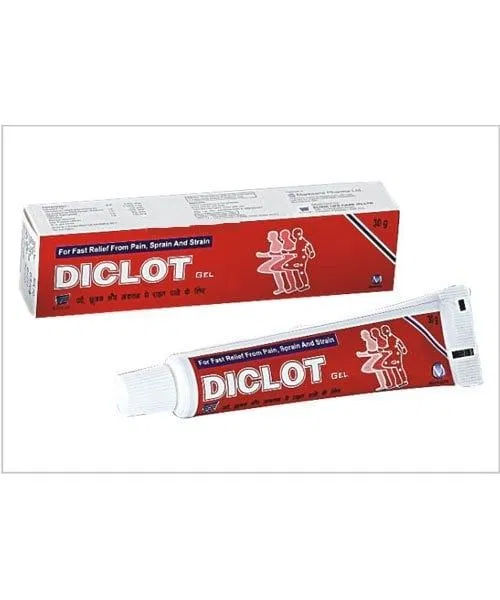
Diclot Gel
Diclot Gel is a topical pain-relief medicine that contains diclofenac in a gel form, with the amount of diclofenac listed on each tube as labeled. Diclofenac belongs to the nonsteroidal anti-inflammatory drug (NSAID) class, and Diclot Gel is used on the skin to help reduce pain and inflammation in muscles and joints.
Prescription required — you can upload it at checkout or later
| Pack Size | Qty | Price | Add to cart | Unit Price |
|---|---|---|---|---|
| 5 tube/s | $3.99 | $0.80 | ||
| 10 tube/s | $6.99 | $0.70 | ||
| 15 tube/s | $8.99 | $0.60 |
Save more with our biggest pack
- Manufacturer
- Glenmark Pharmaceuticals, India
- Ingredient
- Diclofenac
- Form
- Gel
- Prescription
- Required
- Availability
- In stock
- SKU
- CMU8085
Free shipping on orders of $199 or more
What is Diclot Gel?
Diclot Gel is a topical pain-relief medicine that contains diclofenac in a gel form, with the amount of diclofenac listed on each tube as labeled. Diclofenac belongs to the nonsteroidal anti-inflammatory drug (NSAID) class, and Diclot Gel is used on the skin to help reduce pain and inflammation in muscles and joints. It is commonly used for short-term relief of sprains, strains, back pain, arthritis-related aches, and other localized pain. Because it is applied directly to the painful area, Diclot Gel is designed to act where you need it most.
How it works: Diclofenac blocks substances in the body called prostaglandins that cause pain, swelling, and tenderness. In gel form, Diclot Gel delivers the medicine through the skin directly to the painful area to help calm inflammation locally.
Why choose Diclot Gel?
Diclot Gel is the labeled-strength gel version of diclofenac, so it is meant for people whose doctor wants a topical NSAID rather than an oral pain medicine. Since there are no other Diclot strengths or forms listed here, this product fits the standard gel approach: apply a measured amount to the affected area instead of taking it by mouth, which may help limit whole-body side effects compared with tablets.
Uses of Diclot Gel
- Muscle pain
- Joint pain
- Sprains and strains
- Back pain
- Arthritis pain
- Localized inflammation
How to take Diclot Gel
- Apply Diclot Gel only to clean, dry skin over the painful area.
- Use the amount and frequency your doctor recommends; follow the tube label instructions exactly.
- Rub the gel in gently until it is absorbed, then wash your hands unless the hands are the treated area.
- Do not apply to broken, irritated, or infected skin, and avoid getting it in your eyes, mouth, or nose.
- Do not cover the area with tight bandages or use heat pads unless your doctor says it is okay.
- Use it at the same times each day if you are told to use it regularly.
Diclot Gel dosage
Diclot Gel contains diclofenac as labeled on each tube, and the exact amount applied per dose depends on the area being treated and your doctor’s instructions. It is usually used several times a day, but the maximum daily amount should not be exceeded and should be set by a clinician based on the treated area, your age, and your medical history. Always follow the prescribed schedule rather than applying more often for faster relief.
Do not change your dose or stop the medicine without speaking to your doctor.
Diclot Gel side effects
Common side effects of Diclofenac may include:
- Skin irritation at the application site
- Redness
- Itching
- Dry skin
- Mild burning or stinging
- Rash
- Sun sensitivity at the treated area
Get medical help right away if you notice:
- Severe allergic reaction with swelling or trouble breathing
- Chest pain or signs of a heart problem
- Stomach bleeding signs such as black stools or vomiting blood
- Severe skin reaction with blistering or peeling
- Worsening asthma or wheezing
Precautions and warnings
- Do not use Diclot Gel if you are allergic to diclofenac, aspirin, or other NSAIDs unless your doctor specifically approves it.
- Avoid applying it to open wounds, cuts, eczema, or infected skin.
- Use caution if you have a history of heart disease, stroke, high blood pressure, stomach ulcers, kidney disease, or liver disease.
- Do not use more than directed, because extra gel can raise the risk of NSAID side effects even though it is applied on the skin.
- Limit alcohol if you use NSAIDs often, since it can increase stomach-related risks.
- Tell your doctor if you are pregnant, especially in the third trimester, because diclofenac products may not be appropriate.
- Keep the treated area out of strong sunlight if it becomes more sensitive or irritated.
Drug interactions
- Other NSAIDs such as ibuprofen, naproxen, or aspirin
- Blood thinners such as warfarin, apixaban, or rivaroxaban
- ACE inhibitors or ARBs, especially if you have kidney issues
- Diuretics or water pills
- Other diclofenac-containing medicines
Storage
Store Diclot Gel at room temperature, tightly closed, and away from heat, direct light, and freezing; keep it out of reach of children.
Frequently asked questions about Diclot Gel
What is Diclot Gel used for?
Diclot Gel is used on the skin to help relieve localized pain and inflammation. It is commonly used for sprains, strains, back pain, and arthritis-related joint pain.
How do I use Diclot Gel correctly?
Apply a thin layer to the painful area and rub it in gently as directed by your doctor or the package instructions. Wash your hands after use unless your hands are the area being treated.
Can Diclot Gel be used every day?
Diclot Gel may be used daily if your doctor tells you to, but the frequency depends on the treated area and your condition. Do not use more often or in larger amounts than recommended.
What are the side effects of Diclot Gel?
The most common side effects are skin irritation, redness, itching, dryness, or a mild burning feeling where it is applied. Get urgent medical help if you have trouble breathing, severe rash, chest pain, or signs of bleeding.
Customer reviews of Diclot Gel
No written reviews yet.