

Memantine
Lemix 5 mg Tablet★★★★★0.0 (0)
Starting at
$31.99

Mentra 5 mg Tablet is a prescription medicine that contains 5 mg of memantine in each tablet. It belongs to the NMDA receptor antagonist class and is used to help manage symptoms of moderate to severe Alzheimer’s disease.
Prescription required — you can upload it at checkout or later
Choose strength (2 available)
| Pack Size | Qty | Price | Add to cart | Unit Price |
|---|---|---|---|---|
| 150 tablet/s | $21.99 | $0.15 | ||
| 300 tablet/s | $39.99 | $0.13 | ||
| 450 tablet/s | $52.99 | $0.12 |
Save more with our biggest pack
Free shipping on orders of $199 or more
Mentra 5 mg Tablet is a prescription medicine that contains 5 mg of memantine in each tablet. It belongs to the NMDA receptor antagonist class and is used to help manage symptoms of moderate to severe Alzheimer’s disease. Mentra 5 mg Tablet is not a cure for Alzheimer’s, but it may help with thinking, memory, and day-to-day function in some people. This product is supplied as a tablet made by Zydus Cadila, India, in a strip/box of 10 tablets.
How it works: Memantine helps regulate the activity of glutamate, a brain chemical involved in learning and memory, by blocking overactive NMDA receptors. By calming excessive glutamate signaling, Mentra 5 mg Tablet may help protect brain cells from further stress and support symptom control in Alzheimer’s disease.
Mentra 5 mg Tablet is the lower-strength tablet in the Mentra line compared with Mentra 10 mg Tablet. Doctors often choose the 5 mg strength when starting memantine, when a slower dose increase is needed, or when a person may be more sensitive to side effects. Because it is a 5 mg tablet, it can be easier to use for gradual titration than the 10 mg strength.
Each Mentra 5 mg Tablet provides 5 mg of memantine. The doctor decides how often it should be taken and how quickly the dose should be increased; memantine is commonly given once or twice daily depending on the treatment plan. The total daily amount should not exceed the dose your prescriber recommends, and this 5 mg tablet is often used to build up to a higher maintenance dose rather than being the final dose for everyone.
Do not change your dose or stop the medicine without speaking to your doctor.
Common side effects of Memantine may include:
Get medical help right away if you notice:
Store Mentra 5 mg Tablet at room temperature in its original strip or box, away from moisture, heat, and out of reach of children.
Mentra 5 mg Tablet contains memantine and is used to help manage symptoms of moderate to severe Alzheimer’s disease. It may support memory, thinking, and daily function, but it does not cure dementia.
Both products contain memantine, but Mentra 5 mg Tablet is the lower strength. Doctors may use the 5 mg tablet first and move to Mentra 10 mg Tablet later if a higher dose is needed.
Memantine may be taken as part of a gradual dose increase, so benefits are not always immediate. Your doctor will monitor how you are doing over time and may adjust the dose based on response and tolerability.
Yes, Mentra 5 mg Tablet can usually be taken with or without food. Taking it with food may help some people feel less stomach upset.
No written reviews yet.
Same as Memantine
Memantine
Lemix 5 mg TabletStarting at
$31.99

Memantine
Demenzil 10 mg TabletStarting at
$19.99
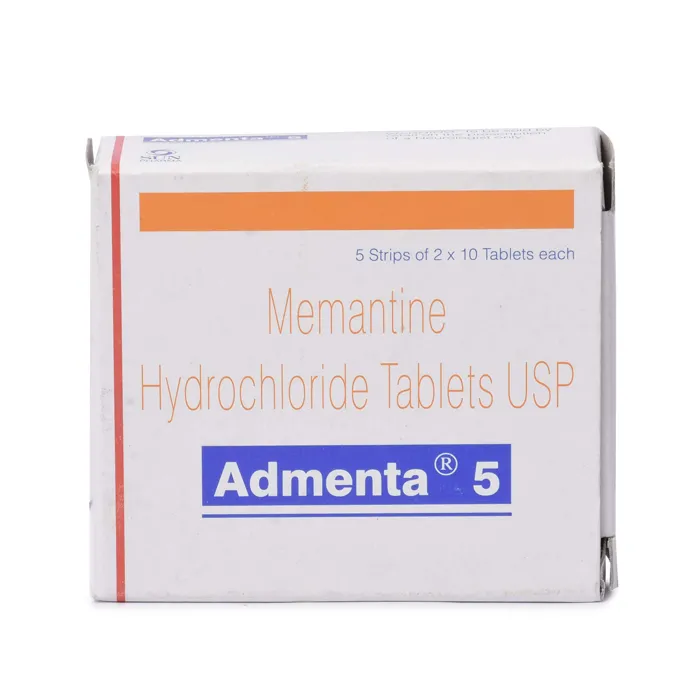
Memantine
Admenta 5 mg TabletStarting at
$26.99
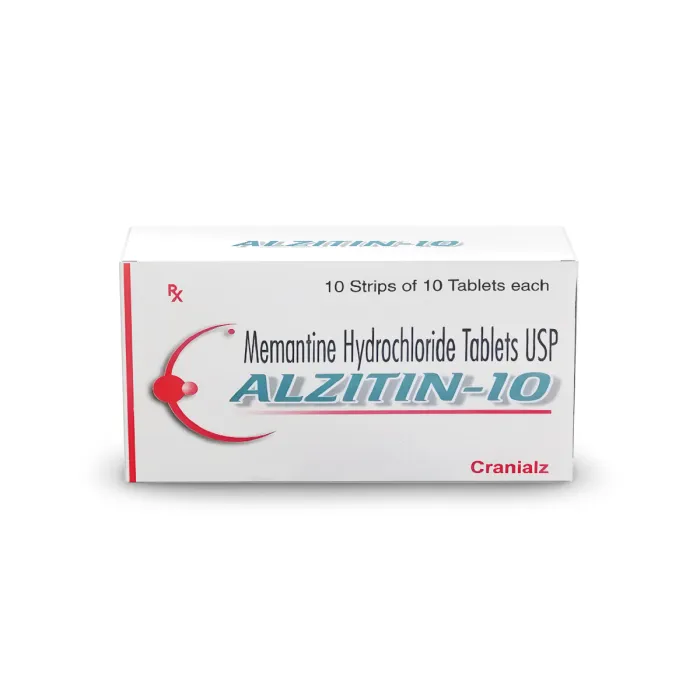
Memantine
Alzitin 10 mg TabletStarting at
$52.99
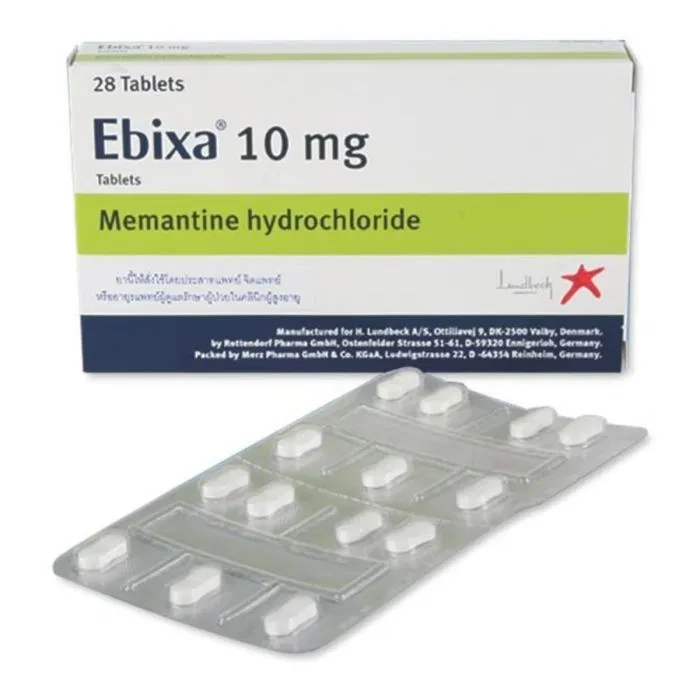
Memantine
Ebixa 10 mg TabletStarting at
$132.99
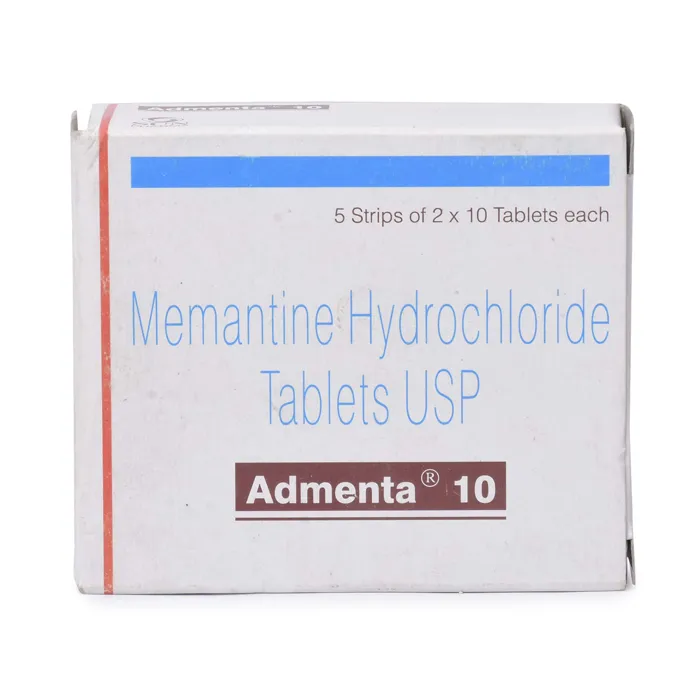
Memantine
Admenta 10 mg TabletStarting at
$46.99
Memantine
Almantin 5 mg TabletStarting at
$21.99
Memantine
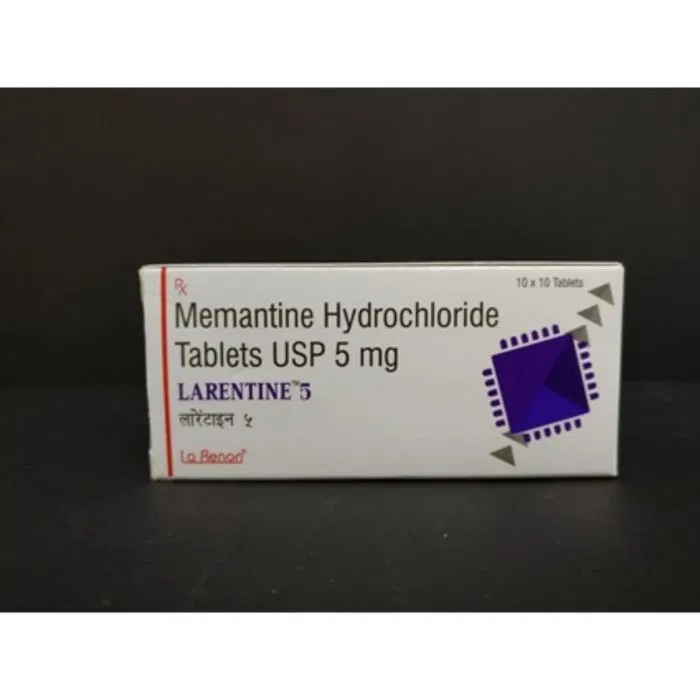
Larentine 5 TabletStarting at
$21.99