
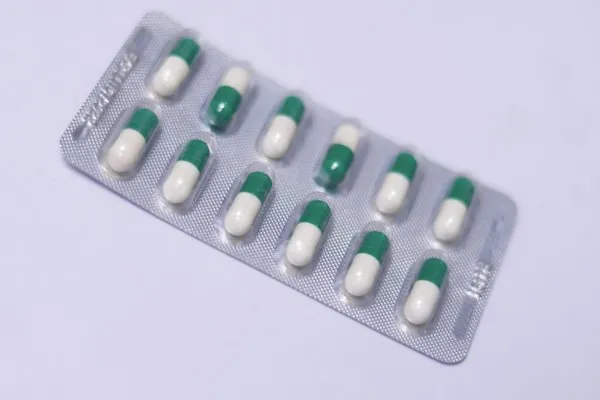
Cefalexin
Phexin Dry Syrup★★★★★5.0 (1)
Starting at
$26.99
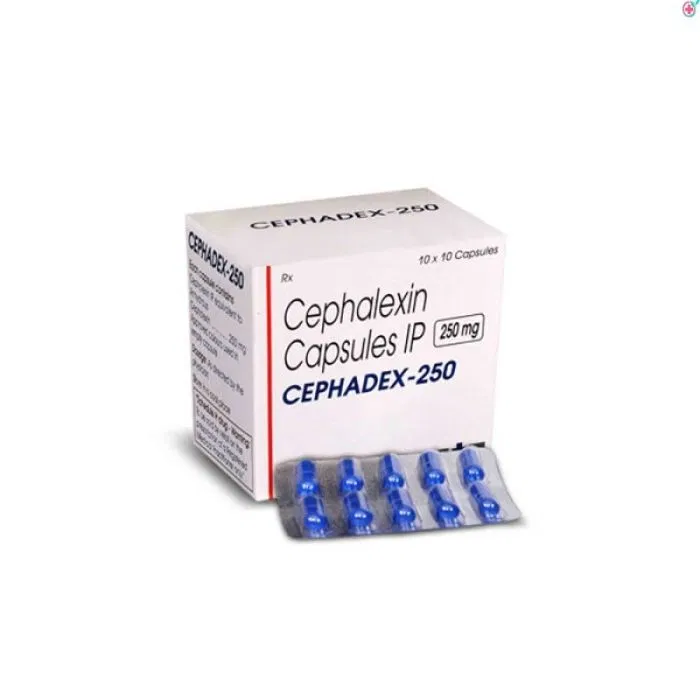
Cephadex 250 mg Capsule is a prescription antibiotic that contains 250 mg of cefalexin in each capsule. It belongs to the cephalosporin class of antibiotics and is used to treat certain bacterial infections, not viral illnesses like colds or flu.
Prescription required — you can upload it at checkout or later
Choose strength (2 available)
| Pack Size | Qty | Price | Add to cart | Unit Price |
|---|---|---|---|---|
| 60 capsule/s | $35.99 | $0.60 | ||
| 90 capsule/s | $51.99 | $0.58 | ||
| 120 capsule/s | $65.99 | $0.55 |
Save more with our biggest pack
Free shipping on orders of $199 or more
Cephadex 250 mg Capsule is a prescription antibiotic that contains 250 mg of cefalexin in each capsule. It belongs to the cephalosporin class of antibiotics and is used to treat certain bacterial infections, not viral illnesses like colds or flu. Cephadex 250 mg Capsule may be prescribed for infections of the skin, throat, respiratory tract, ears, urinary tract, and some bone or soft tissue infections when the bacteria are likely to respond to cefalexin.
How it works: Cefalexin works by stopping bacteria from building a strong cell wall, which makes the bacteria break apart and die. The capsule form delivers the medicine by mouth, where it is absorbed and then carried through the body to help clear the infection.
Cephadex 250 mg Capsule is a lower-strength option compared with Cephadex 500 mg Capsule, which can make it easier for a doctor to tailor dosing, especially for children, smaller adults, or people who need more gradual dosing adjustments. Because each capsule contains only 250 mg, it may be chosen when a prescriber wants a smaller per-dose amount rather than the stronger 500 mg capsule.
Each Cephadex 250 mg Capsule provides 250 mg of cefalexin per capsule. The exact dose and how often it is taken depend on the infection being treated, kidney function, age, and the prescriber’s instructions; it may be taken 2 to 4 times daily, and the total daily dose is set by the doctor based on the patient’s needs.
Do not change your dose or stop the medicine without speaking to your doctor.
Common side effects of Cefalexin may include:
Get medical help right away if you notice:
Store Cephadex 250 mg Capsule at room temperature in a dry place, away from excess heat, moisture, and direct light, and keep it in the original strip or box until use.
Cephadex 250 mg Capsule is used to treat certain bacterial infections such as skin, throat, ear, urinary tract, and some respiratory infections. It will not treat viral infections like the common cold or flu.
Swallow the capsule whole with water and take it at evenly spaced times as directed by your doctor. You can usually take it with or without food, but food may help if it upsets your stomach.
Cephadex 250 mg Capsule is a lower-strength capsule compared with Cephadex 500 mg Capsule, so it may be easier to adjust for some patients. The right dose depends on the infection and the patient’s medical condition, and your doctor chooses the schedule.
Common side effects include diarrhea, nausea, vomiting, stomach pain, and mild rash. Get urgent medical help if you have trouble breathing, swelling, severe diarrhea, or a blistering skin reaction.
No written reviews yet.
Same as Cefalexin
Cefalexin
Phexin Dry SyrupStarting at
$26.99
Cefalexin
Phexin BD 750 mg TabletStarting at
$88.99
Cefalexin
Phexin Kid Tablet DTStarting at
$34.99
Cefalexin
Phexin 125 mg Redisyp Oral SuspensionStarting at
$28.99
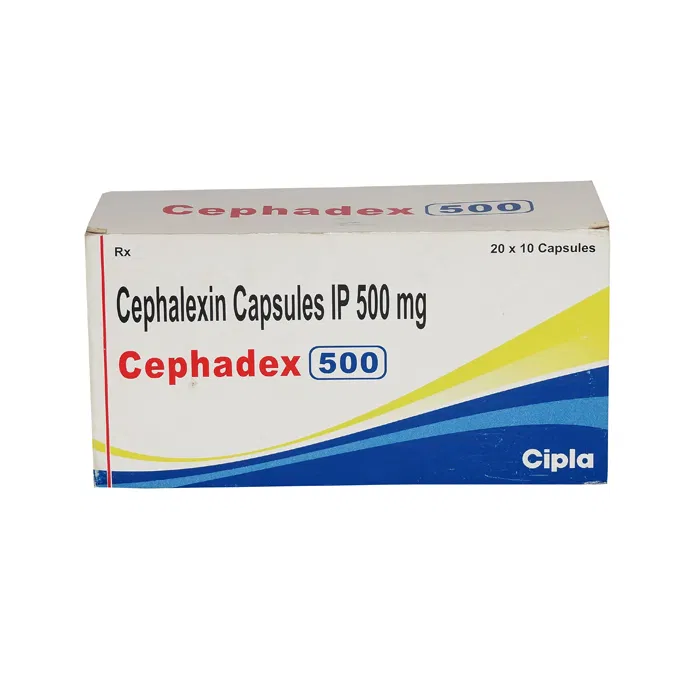
Cefalexin
Cephadex 500 mg CapsuleStarting at
$39.99
Cefalexin
Phexin Pead 100 mg DropStarting at
$29.99
Cefalexin
Phexin BD 375 mg TabletStarting at
$51.99
Cefalexin
Phexin 500 mg CapsuleStarting at
$54.99