

Hydroquinone + Tretinoin + Fluocinolone Acetonide
Triluma Cream★★★★★0.0 (0)
Starting at
$105.99

Triluma RD Cream is a prescription topical combination cream containing hydroquinone, tretinoin, and fluocinolone acetonide in the strength labeled on each bottle. It is used on the skin to treat short-term moderate to severe melasma, a dark facial pigmentation condition.
Prescription required — you can upload it at checkout or later
| Pack Size | Qty | Price | Add to cart | Unit Price |
|---|---|---|---|---|
| 1 bottle | $102.99 | $102.99 |
Free shipping on orders of $199 or more
Triluma RD Cream is a prescription topical combination cream containing hydroquinone, tretinoin, and fluocinolone acetonide in the strength labeled on each bottle. It is used on the skin to treat short-term moderate to severe melasma, a dark facial pigmentation condition. Hydroquinone lightens excess pigment, tretinoin helps skin cells turn over, and fluocinolone acetonide reduces inflammation and irritation. Galderma India Pvt. Ltd. supplies this cream in a pack of 10 bottles.
How it works: In Triluma RD Cream, hydroquinone helps fade dark patches by reducing the skin’s pigment-making process, while tretinoin speeds up skin cell turnover so darker surface cells are shed more quickly. Fluocinolone acetonide calms redness, itching, and irritation from the other ingredients, which can make the cream better tolerated on affected skin.
Triluma RD Cream is the cream formulation in the Triluma line, and it is intended for patients whose dermatologist has specifically chosen this combination for pigment control with added anti-inflammatory support. Compared with the other Triluma strength/form listed, the cream form is easier to spread in a thin layer and is often chosen for facial use where a smooth, non-greasy application is preferred.
Each bottle of Triluma RD Cream contains the labeled fixed combination of hydroquinone, tretinoin, and fluocinolone acetonide in cream form; the exact amount should be read from the package label for that bottle. It is typically applied once daily in a thin layer, and the prescriber decides the duration and maximum amount used per day based on your skin and response. Because this is a prescription combination cream, do not use it more often or on more skin than directed.
Do not change your dose or stop the medicine without speaking to your doctor.
Common side effects of Hydroquinone + Tretinoin + Fluocinolone Acetonide may include:
Get medical help right away if you notice:
Store Triluma RD Cream at room temperature, tightly closed, and protect it from excessive heat and freezing.
Triluma RD Cream is used to treat melasma and other dark facial patches when a dermatologist wants a combination of pigment-reducing, skin-renewing, and anti-inflammatory medicine. It is meant for short-term, directed use on the skin, not for general skin lightening.
Apply a thin layer once daily to the affected skin only, usually at night, and avoid the eyes, lips, and broken skin. Wash your hands after applying it and use sunscreen every day because the skin can become more sun-sensitive.
Triluma RD Cream is the cream form in this product line, and its use depends on the exact labeled bottle strength and your doctor’s plan. Your prescriber may choose this form because it spreads smoothly on facial skin and can be easier to tolerate for some patients.
The most common side effects are redness, dryness, stinging, peeling, and itching where it is applied. If you get severe burning, swelling, blistering, or worsening darkening, stop using it and seek medical advice promptly.
No written reviews yet.
Same as Hydroquinone + Tretinoin + Fluocinolone Acetonide
Hydroquinone + Tretinoin + Fluocinolone Acetonide
Triluma CreamStarting at
$105.99
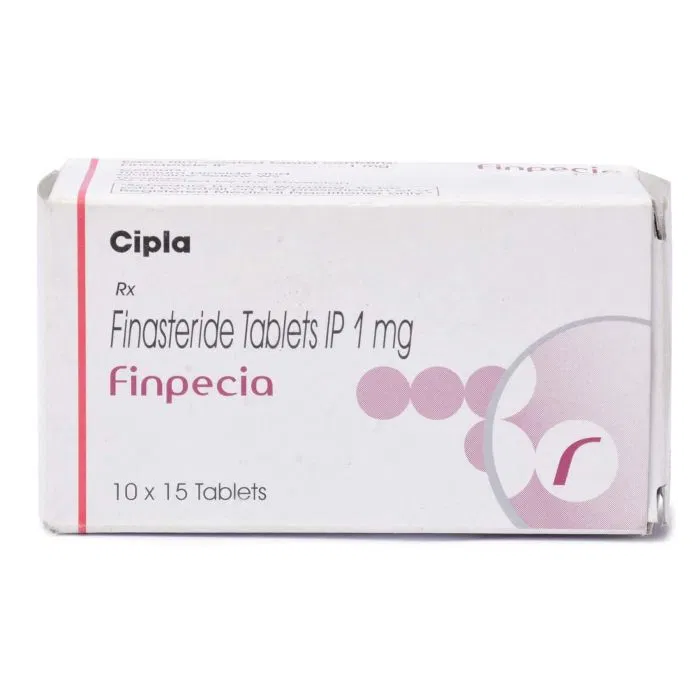
Finasteride
Finpecia 1 mg TabletStarting at
$20.99
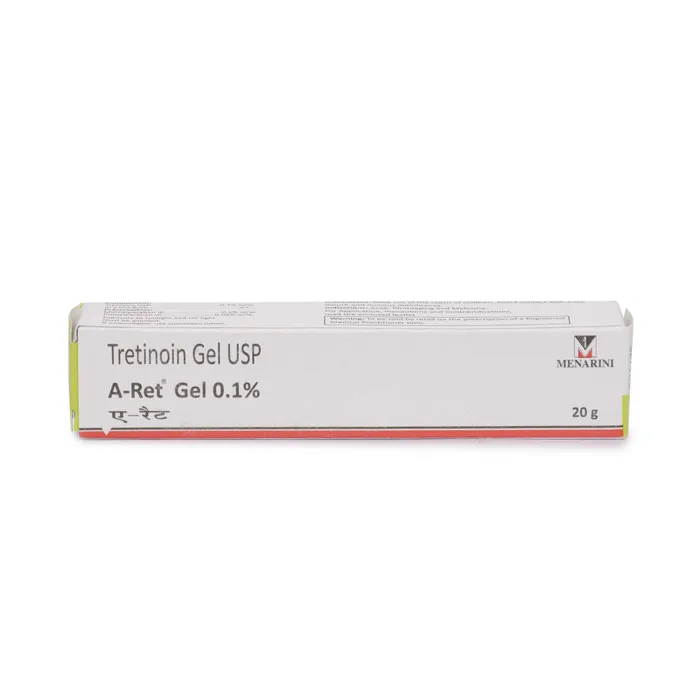
Tretinoin
A Ret Gel 0.1% (20 g)Starting at
$27.99
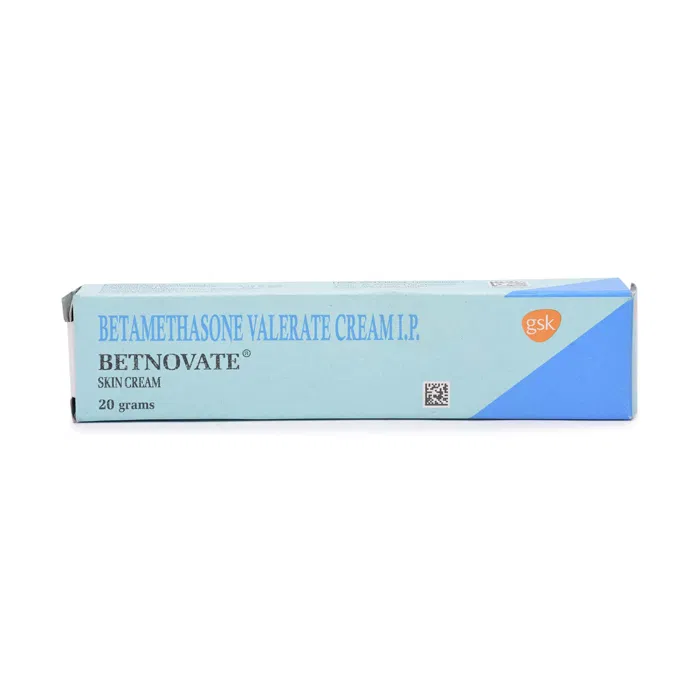
Betamethasone
Betnovate 0.10% 20 g CreamStarting at
$5.99
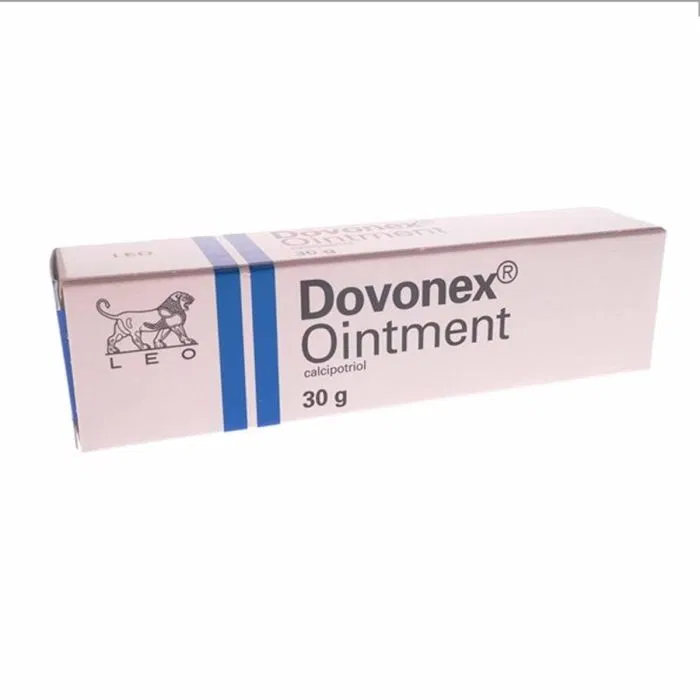
Calcipotriol
Daivonex 30 g OintmentStarting at
$38.99
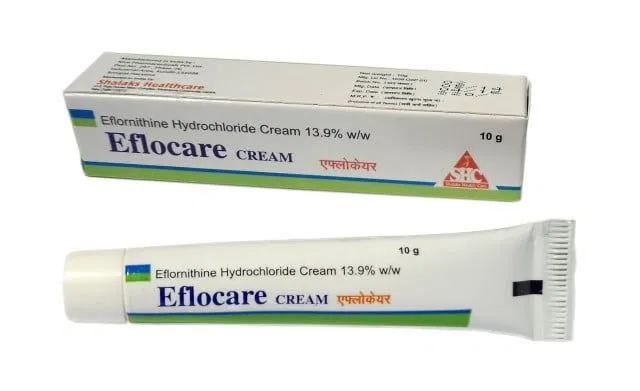
Eflornithine
Eflocare CreamStarting at
$37.99
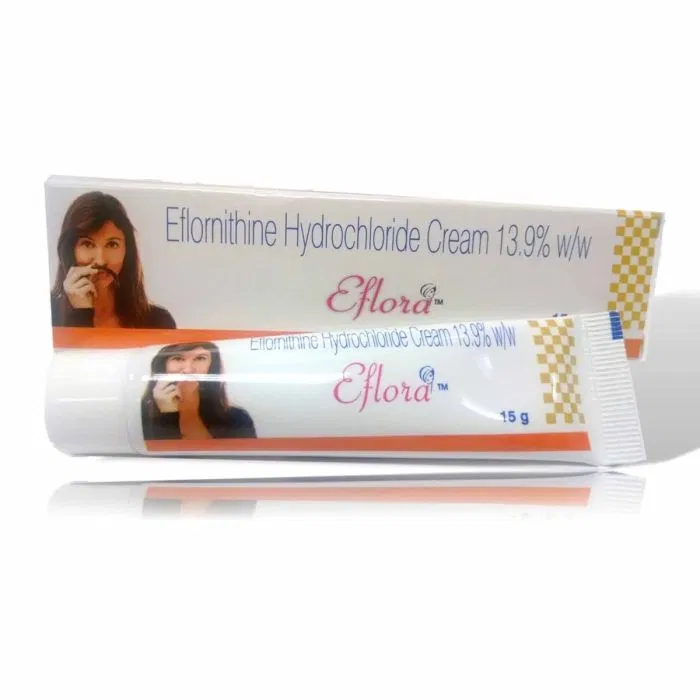
Eflornithine
Eflora Cream 15 gStarting at
$70.99
Herbal / Ayurvedic
Organic Lavender Moisturizing Foot & Leg CreamStarting at
$10.99