
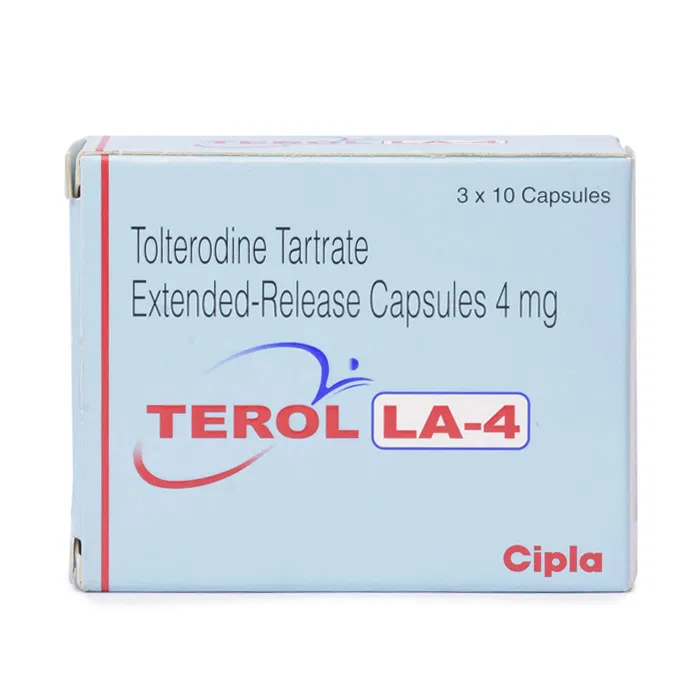
Tolterodine
Terol LA 4 mg Capsule★★★★★5.0 (1)
Starting at
$86.99

Terol 1 mg Tablet contains tolterodine 1 mg in each tablet. It is an antimuscarinic medicine used to treat overactive bladder symptoms such as urinary urgency, frequent urination, and urge incontinence.
Prescription required — you can upload it at checkout or later
Choose strength (2 available)
| Pack Size | Qty | Price | Add to cart | Unit Price |
|---|---|---|---|---|
| 30 tablet/s | $12.99 | $0.43 | ||
| 60 tablet/s | $23.99 | $0.40 | ||
| 90 tablet/s | $32.99 | $0.37 |
Save more with our biggest pack
Free shipping on orders of $199 or more
Terol 1 mg Tablet contains tolterodine 1 mg in each tablet. It is an antimuscarinic medicine used to treat overactive bladder symptoms such as urinary urgency, frequent urination, and urge incontinence. Terol 1 mg Tablet works by helping relax the bladder muscle so you can better control urination. This 1 mg tablet is the lower-strength tablet in the Terol range and is often chosen when a doctor wants a more cautious dose.
How it works: Tolterodine blocks signals from acetylcholine at bladder receptors, which helps calm involuntary bladder contractions. As a tablet, Terol 1 mg Tablet is swallowed and absorbed into the body to help reduce urgency, leakage, and frequent trips to the bathroom.
Terol 1 mg Tablet is a lower-strength option compared with Terol 2 mg Tablet. Doctors may choose Terol 1 mg Tablet for people who need a gentler dose, who are more sensitive to side effects, or who have certain medical conditions or medication interactions that call for a lower amount. Because it is the 1 mg tablet, it may be easier to adjust treatment step by step than starting with a higher strength.
Each Terol 1 mg Tablet provides 1 mg of tolterodine per tablet. The exact dose and how often you take it depend on your doctor’s instructions; this strength is typically used when a lower dose is needed or when the doctor wants to reduce side effects. Do not exceed the maximum daily amount your prescriber sets for you.
Do not change your dose or stop the medicine without speaking to your doctor.
Common side effects of Tolterodine may include:
Get medical help right away if you notice:
Store Terol 1 mg Tablet in its original strip or box at room temperature, away from moisture, heat, and direct light.
Terol 1 mg Tablet is used for overactive bladder symptoms, including sudden urgency to urinate, frequent urination, and urine leakage from urgency. It contains tolterodine 1 mg, which helps relax the bladder muscle so you can better control urination.
Terol 1 mg Tablet is the lower-strength version of this medicine. A doctor may choose the 1 mg tablet when a smaller dose is better tolerated or when a cautious dose is needed before moving to a higher strength.
Terol 1 mg Tablet is taken by mouth with water and can usually be taken with or without food. Follow your doctor’s exact schedule and do not take more than the prescribed number of tablets in a day.
Common side effects of Terol 1 mg Tablet include dry mouth, constipation, headache, dizziness, and blurred vision. Get urgent medical help if you have trouble urinating, a fast or irregular heartbeat, severe eye pain, or signs of an allergic reaction.
No written reviews yet.
Same as Tolterodine
Tolterodine
Terol LA 4 mg CapsuleStarting at
$86.99
Tolterodine
Dezrol La 4 mg Capsule ERStarting at
$33.99
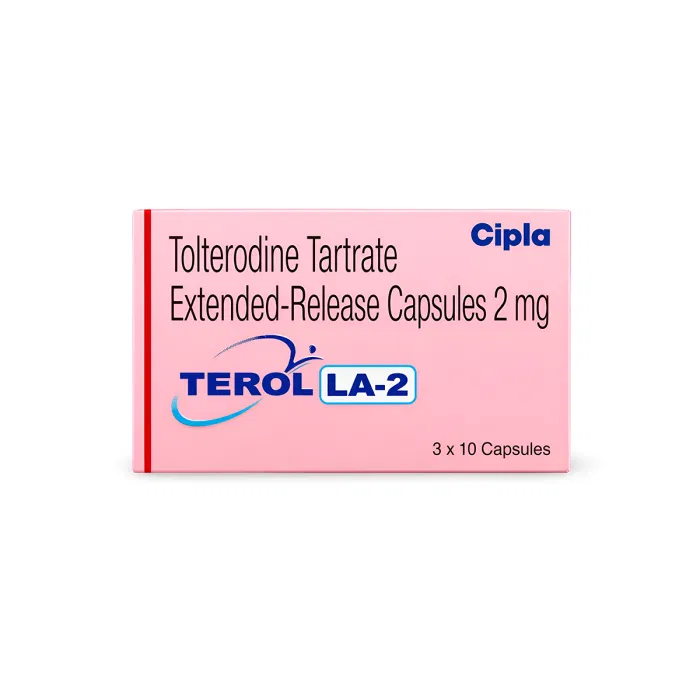
Tolterodine
Terol LA 2 mg Capsule ERStarting at
$48.99

Tolterodine
Roliten OD 4 mg Capsule ERStarting at
$75.99
Tolterodine
Terod 4 mg Capsule ERStarting at
$44.99
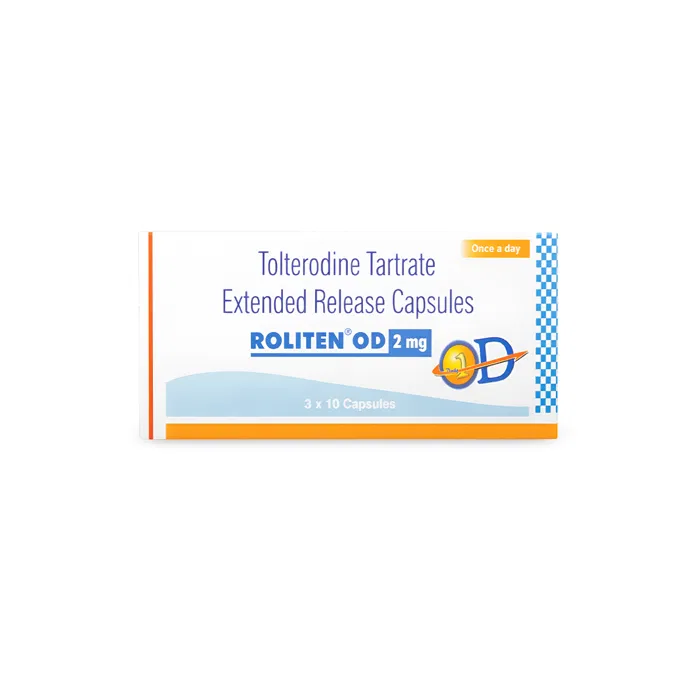
Tolterodine
Roliten OD 2 mg Capsule ERStarting at
$112.99
Tolterodine
Dezrol La 2 mg Capsule ERStarting at
$29.99

Tolterodine
Roliten 1 mg TabletStarting at
$58.99