
Best Science-Backed Supplements for Weight Loss: What a Pharmacist Actually Thinks
Published October 24, 2026
Medically reviewed by Chep Meds USA Pharmacy Team
Content checked by our licensed pharmacists for accuracy against standard prescribing information. Last reviewed October 2026. Our editorial policy
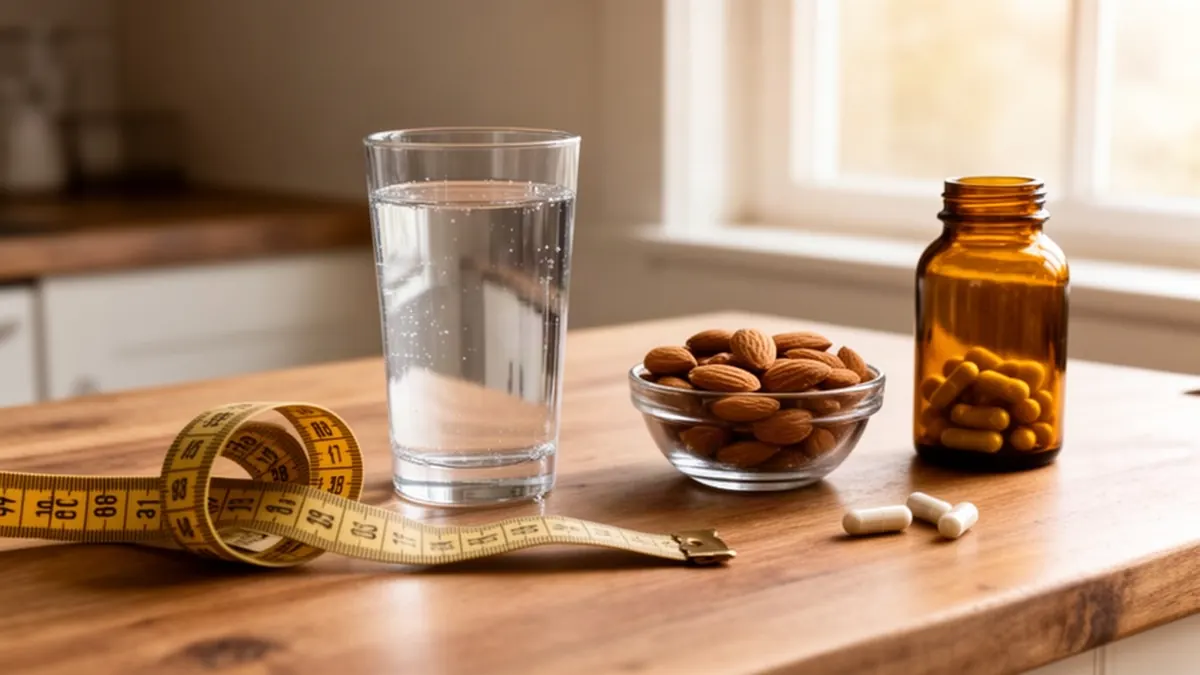
You've probably stood in a pharmacy or scrolled Amazon at midnight, staring at a wall of weight loss supplements, each one louder than the last. Fat burners. Metabolism boosters. Appetite suppressants with names you can't pronounce. It's exhausting. And expensive. As a pharmacist, I get asked about these products constantly—by patients juggling real jobs, real budgets, and real frustration after trying to eat better and still not seeing the scale move. So I want to give you an honest look at the supplements that have actual peer-reviewed research behind them. Not miracle stuff. Not a replacement for food changes or movement. But tools that, for some people, do make a measurable difference.
Why Most Supplements Don't Make the Cut
The FDA doesn't evaluate supplements for effectiveness before they hit shelves. That's just the reality. A company can legally sell you a capsule of dried parsley marketed as a 'metabolic accelerator' as long as they don't explicitly claim it treats a disease. So the burden falls on you—and honestly, on folks like me—to dig into the actual studies.
When I look at evidence, I want to see randomized controlled trials in humans, not just cell studies or rat models. I want to see more than one study. I want to see the effect size—because statistically significant doesn't always mean clinically meaningful. Losing an extra 0.5 pounds over 12 weeks? That's real, but probably not worth $60 a month.
The supplements below have cleared a reasonable evidence bar. None of them are magic. They work best when you're already eating with some intention and moving your body. Think of them as a small tailwind, not a rocket engine.
Glucomannan: The Fiber That Actually Fills You Up
Glucomannan comes from the konjac root, and it's one of the most viscous dietary fibers known. You take it before a meal with a full glass of water—it swells in your stomach and genuinely slows digestion. The result? You feel fuller faster and stay that way longer. It's not a trick. That's just fiber mechanics.
A review published in the Journal of the American College of Nutrition found glucomannan supplementation led to modest but statistically significant weight loss compared to placebo in overweight adults. We're talking roughly 5 pounds over 5 weeks in some trials—not dramatic, but real. It also tends to nudge fasting blood glucose and LDL cholesterol in a favorable direction, which is a nice bonus.
One practical note: take it at least 30 minutes before eating, with at least 8 ounces of water. There are case reports of esophageal obstruction when it's swallowed dry or with too little fluid. That sounds scary, but it's easily avoided if you follow directions. Capsule or powder forms both work.
- Take 1–3 grams before meals with a full glass of water
- Helps reduce post-meal blood sugar spikes
- May mildly lower LDL cholesterol
- Not appropriate if you have swallowing difficulties
Caffeine: Boring, But It Works
I know. Caffeine feels too obvious to mention. But hear me out. Caffeine genuinely increases thermogenesis—the rate at which your body burns calories—and it mobilizes fatty acids from fat tissue. Multiple meta-analyses confirm this. One published in Critical Reviews in Food Science and Nutrition estimated that caffeine supplementation increases energy expenditure by about 100 calories per day at doses of 400 mg. Over weeks and months, that adds up.
The catch is tolerance. Your body adapts to caffeine relatively quickly, so the thermogenic effect dims over time if you're already a heavy coffee drinker. If you have two cups of coffee before noon every day, a caffeine supplement probably won't move the needle much for you specifically. But if you're sensitive to caffeine or use it strategically—say, before a workout—it can provide a meaningful metabolic edge.
Stick to sensible doses. The FDA considers 400 mg per day safe for healthy adults. That's about four 8-ounce cups of brewed coffee. Go higher and you're looking at anxiety, elevated heart rate, and disrupted sleep—which, ironically, tanks weight loss efforts on its own.
- Most effective for people who don't already use caffeine daily
- Best timed before physical activity
- Avoid after 2 PM if sleep is already a struggle
- Not recommended for anyone with heart arrhythmias—check with your doctor
Protein Supplements: Not Flashy, Genuinely Useful
Protein isn't usually marketed as a weight loss supplement, but it should be. Higher protein intake is consistently one of the best-supported strategies for reducing appetite, preserving muscle during a caloric deficit, and increasing the thermic effect of food—meaning your body actually burns more calories digesting protein than it does digesting fat or carbs. Protein powders are just a convenient delivery mechanism.
Whey protein specifically has been studied extensively. A 2020 systematic review in Advances in Nutrition found that whey protein supplementation, combined with resistance training, was associated with greater fat mass reduction and lean mass retention compared to carbohydrate supplementation. If you're working out and trying to lose fat—not just weight—this matters a lot. You want the scale to go down because you lost fat, not because you lost muscle.
If you're lactose intolerant or vegan, pea protein or soy protein are solid alternatives with decent evidence behind them. Shoot for 20–30 grams of protein per serving and check the ingredient list—some powders sneak in a lot of added sugar or artificial flavoring that undercuts the whole point.
Green Tea Extract: Small Effect, But Real
Green tea extract works through two mechanisms: the caffeine content (which we've already covered) and catechins—particularly one called EGCG—which appear to inhibit enzymes that break down norepinephrine, keeping your sympathetic nervous system slightly more activated. That translates to modestly increased fat oxidation.
The effect size in studies is genuinely modest. A meta-analysis in the International Journal of Obesity found green tea catechins produced an average weight loss of about 1.3 kg more than placebo over 12 weeks. That's under 3 pounds. Not life-changing. But it's consistent across multiple trials, which counts for something. If you're looking for a supplement that layers well with other lifestyle changes, this is a reasonable option.
The main concern is liver toxicity with high-dose concentrated extracts. This is rare, but it has been reported. Stick to products that provide 400–500 mg of EGCG per day at most, and don't take it on an empty stomach. If you notice any yellowing of skin or eyes, dark urine, or upper right abdominal pain, stop and see a doctor immediately.
- Look for standardized EGCG content on the label
- Take with food to reduce stomach upset and liver risk
- Most effective when combined with caffeine
- Skip high-dose extracts if you already have liver concerns
Berberine: The One Worth Watching Closely
Berberine is a compound found in several plants including barberry and goldenseal. It's gotten a lot of attention lately, partly because some studies show it activates an enzyme called AMPK—sometimes called a 'metabolic switch'—in a way that loosely resembles how metformin works. People with insulin resistance or prediabetes seem to respond to it more meaningfully than metabolically healthy individuals.
A systematic review in Evidence-Based Complementary and Alternative Medicine pooled data from multiple trials and found berberine reduced body weight, BMI, and waist circumference more than placebo. The numbers weren't massive—around 2–5 pounds advantage over placebo in 8–12 week trials—but the consistency was notable. Some studies also showed improvements in fasting blood glucose and triglycerides.
Here's the thing though: berberine interacts with a meaningful list of medications. It can affect how your body metabolizes cyclosporine, some antibiotics, and drugs that also use the CYP3A4 enzyme pathway. If you're on any prescription medications, please talk to your pharmacist or doctor before starting berberine. Don't just grab it off a shelf because you saw it on social media.
- Most studied benefit is in people with insulin resistance
- Typical dose in trials: 500 mg two to three times daily
- Significant drug interaction potential—always check with a pharmacist
- Should not replace prescribed diabetes medications
What to Skip (And Why)
Raspberry ketones. Garcinia cambogia. Hoodia. CLA in most formulations. These have either been tested and found not to work in humans, or the evidence is so thin and low-quality that there's no reasonable basis to spend money on them. Raspberry ketones, for example, are backed almost entirely by in vitro and animal studies. The human data just isn't there.
Watch out for proprietary blends too. That's when a label lists ten ingredients but hides the individual amounts behind phrases like 'Metabolic Fusion Complex.' You have no way of knowing whether you're getting a therapeutic dose of anything. It's a legal but frustrating way to avoid accountability.
And if any product promises double-digit weight loss in weeks, run. Actual fat loss in the range supplements can help with is measured in single-digit pounds over months—not before your cousin's wedding next month. Anyone telling you otherwise is selling you something.
Common questions
Are weight loss supplements safe to take long-term?
It depends heavily on the specific supplement. Glucomannan and protein powder are generally fine long-term for healthy adults. Green tea extract at high doses carries liver risk with prolonged use. Berberine hasn't been studied extensively beyond 6 months. When in doubt, cycle off every few months and check in with your doctor.
Can I combine multiple supplements at once?
You can, but be careful about stacking stimulants—combining caffeine, green tea extract, and another caffeinated product can push you well past safe limits without realizing it. Start one supplement at a time so you know what's actually doing something and what's causing any side effects.
Do weight loss supplements work without diet and exercise?
The honest answer is: barely. The studies that show positive results almost always include some baseline lifestyle modification. Think of supplements as maybe adding 10–20% to what diet and movement are already doing—they don't replace those things.
Should I tell my doctor I'm taking weight loss supplements?
Yes, always. Especially if you take any prescription medications, have liver or kidney disease, or have a cardiovascular condition. Some supplements—berberine in particular—have real drug interaction potential that your prescriber needs to know about.