
Erectile Dysfunction in Your 30s and 40s: What to Know
Published October 6, 2026
Medically reviewed by Chep Meds USA Pharmacy Team
Content checked by our licensed pharmacists for accuracy against standard prescribing information. Last reviewed October 2026. Our editorial policy
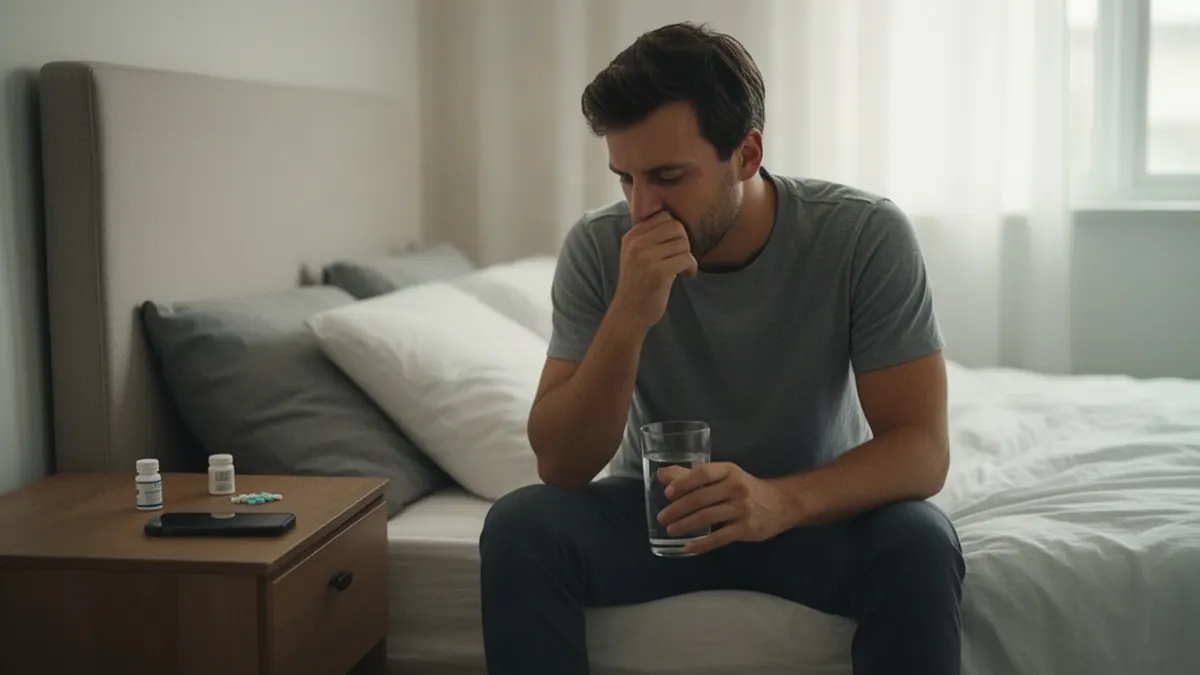
Erectile dysfunction (ED) is the ongoing difficulty getting or keeping an erection firm enough for sex. While many people think of ED as a problem of older age, it can affect men in their 30s and 40s too. In younger and middle-aged adults, ED is often linked to stress, sleep problems, alcohol use, smoking, medical conditions, or early signs of cardiovascular or hormonal issues. The right evaluation can help identify the cause and guide treatment, including lifestyle changes and prescription options such as sildenafil citrate or tadalafil when appropriate.
Why ED Can Happen in Your 30s and 40s
ED in your 30s or 40s is not unusual, and it does not always mean there is a permanent problem. Erections depend on healthy blood flow, nerve function, hormones, and mental well-being, so several factors can interfere with normal sexual function.
Common contributors include anxiety, relationship stress, depression, poor sleep, heavy alcohol use, tobacco use, and certain medications. In some cases, ED can be an early warning sign of health problems such as high blood pressure, diabetes, high cholesterol, obesity, or low testosterone.
- Stress and performance anxiety
- Smoking or vaping
- Excess alcohol use
- Poor sleep or sleep apnea
- Diabetes, high blood pressure, or high cholesterol
- Certain antidepressants and blood pressure medicines
Psychological Causes Are Common, But Not the Whole Story
For men in their 30s and 40s, mental health factors are a frequent cause of ED. Worrying about sexual performance can create a cycle: one difficult experience leads to more anxiety, which then makes erections harder to achieve in the future.
Depression, chronic stress, and relationship conflict can also lower desire and make arousal more difficult. Even when the main trigger is psychological, a medical evaluation is still important, because physical and emotional causes can overlap.
- Performance anxiety
- Depression
- Chronic stress
- Pornography-related expectations
- Relationship tension
Medical Conditions and Lifestyle Factors to Check
If ED is happening often, it is worth looking at overall health. Erections are closely linked to cardiovascular health, so ED can sometimes appear before other symptoms of heart or blood vessel disease.
A clinician may ask about blood sugar, blood pressure, cholesterol, weight, exercise habits, sleep quality, and medications. Testosterone testing may be appropriate in some cases, especially if low sex drive, fatigue, or other symptoms suggest a hormone issue.
- Blood pressure and cholesterol
- Blood sugar and diabetes risk
- Weight gain and inactivity
- Low testosterone symptoms
- Side effects from prescription medicines
When to See a Doctor
You should talk with a doctor if ED lasts more than a few weeks, happens repeatedly, or is affecting your confidence or relationship. It is especially important to seek care if you also have chest pain, shortness of breath, reduced exercise tolerance, pain with erections, penile curvature, or symptoms of diabetes or heart disease.
A medical visit can help rule out serious causes and make sure treatment is safe for you. ED is common and treatable, and discussing it with a professional is a normal part of health care, not something to feel embarrassed about.
- ED that is frequent or ongoing
- New ED with no clear reason
- Low sex drive or fatigue
- Pain, curvature, or injury symptoms
- History of diabetes, heart disease, or high blood pressure
Treatment Options: What May Help
Treatment depends on the cause. For many men, improving sleep, reducing alcohol, quitting smoking, treating anxiety or depression, exercising regularly, and managing chronic conditions can make a big difference. Counseling or sex therapy may help when stress or relationship issues are part of the picture.
Prescription medicines are often used when appropriate. Sildenafil citrate and tadalafil belong to a group called PDE5 inhibitors and can improve blood flow to the penis during sexual stimulation. Sildenafil is typically taken before sex, while tadalafil may work for a longer window and can be used in different dosing patterns depending on the prescription and clinical need. A doctor or pharmacist can help determine whether these medicines are safe for you, especially if you take nitrates or certain other heart medicines.
- Lifestyle changes
- Counseling or sex therapy
- Managing diabetes, blood pressure, or cholesterol
- Sildenafil citrate
- Tadalafil
How to Use ED Treatment Safely
If a doctor prescribes sildenafil or tadalafil, use it exactly as directed. These medicines do not cause an automatic erection; sexual stimulation is still needed. They may not work right away, and trying a medication more than once under the prescribed guidance can sometimes be necessary before deciding if it is effective.
Do not combine PDE5 inhibitors with nitrate medicines used for chest pain, because the combination can cause a dangerous drop in blood pressure. Tell your doctor about all medicines and supplements you take, including alpha-blockers, blood pressure medicines, and over-the-counter products. If you have severe side effects such as chest pain, fainting, vision changes, or an erection lasting longer than four hours, seek urgent medical care.
- Take only as prescribed
- Sexual stimulation is still needed
- Avoid nitrates
- Check for drug interactions
- Get urgent help for prolonged erection or severe symptoms
Medicines mentioned in this article
- Cenforce 200 mg Tabletfrom $44.99
- Cenforce 150 mg Tabletfrom $40.99
- Cenforce 100 mg Tabletfrom $34.99
- Vidalista 60 mg Tabletfrom $49.99
- Vidalista 40 mg Tabletfrom $38.99
- Vidalista 20 mg Tabletfrom $34.99
Common questions
Is erectile dysfunction in your 30s and 40s normal?
It can be more common than many people think. ED at this age may be related to stress, sleep, alcohol, smoking, or an underlying medical condition, so it is worth discussing with a clinician if it keeps happening.
Can stress alone cause ED?
Yes, stress and performance anxiety can absolutely affect erections. Even so, it is smart to rule out physical causes, because emotional and medical factors often occur together.
Are sildenafil citrate and tadalafil the same?
Both are PDE5 inhibitor medicines used to treat ED, but they differ in how long they last and how they are usually taken. A healthcare professional can help choose the option that fits your health history and treatment goals.
When should I get checked for heart disease if I have ED?
If you have ED along with chest pain, shortness of breath, high blood pressure, diabetes, or a strong family history of heart disease, you should speak with a doctor. ED can sometimes be an early sign of blood vessel problems, so an evaluation may be important.