
Generic Semaglutide: Everything You Need to Know About Cheaper Alternatives
Published October 24, 2026
Medically reviewed by Chep Meds USA Pharmacy Team
Content checked by our licensed pharmacists for accuracy against standard prescribing information. Last reviewed October 2026. Our editorial policy
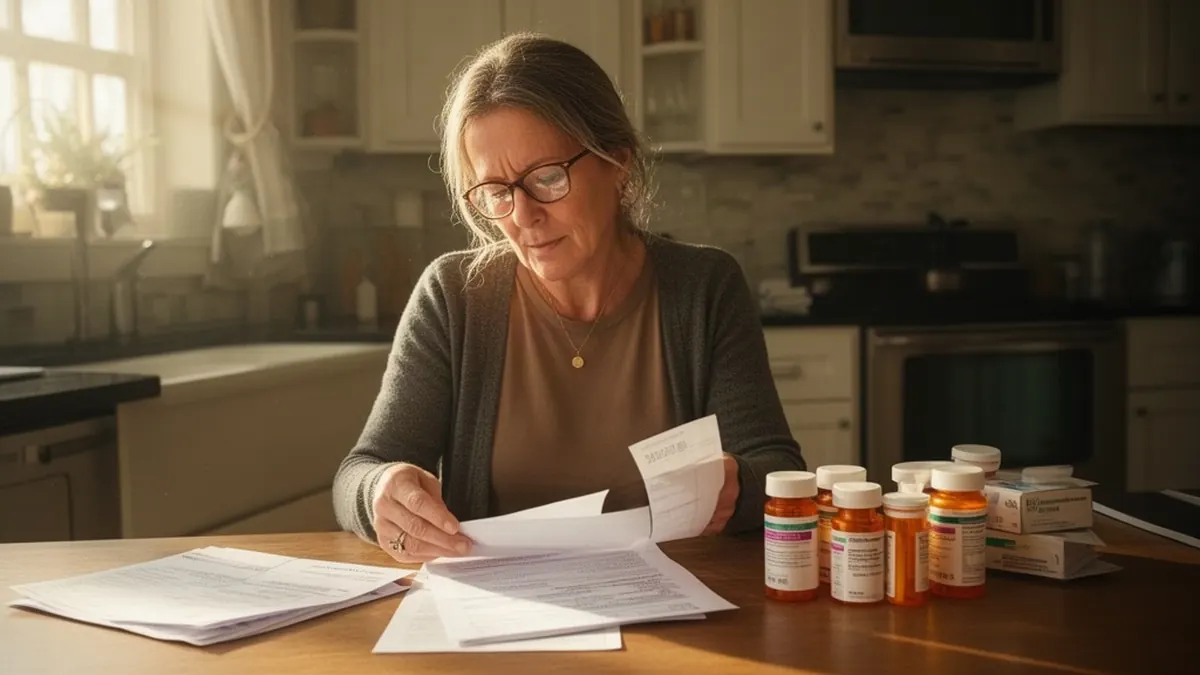
You saw the price at the pharmacy counter and did a double-take. Maybe you even laughed, because what else do you do when a monthly supply of a single medication runs close to a thousand dollars without insurance? That's the reality for a lot of people prescribed semaglutide right now. Brand names like Ozempic and Wegovy have become household words, and demand is enormous. But the cost is keeping millions of Americans from actually filling those prescriptions. So naturally, people are searching for a generic. Is there one? Is one coming? And in the meantime, what can you actually afford? Let me walk you through the honest answers.
There Is No FDA-Approved Generic Semaglutide Right Now
Let's get this out of the way fast. As of 2025, no FDA-approved generic version of semaglutide exists in the United States. Novo Nordisk holds the patents on the compound, and those patents won't expire for several more years. That means any product calling itself 'generic semaglutide' in a standard pharmacy sense simply doesn't exist yet.
Why does that matter? Because the word 'generic' has a specific legal meaning. A true generic has gone through FDA review, proven bioequivalence to the brand-name drug, and earned approval. Without that process, you have no safety guarantee, no dosing standardization, and no regulatory oversight. So when you see ads online promising cheap semaglutide, you need to ask some hard questions about what you're actually buying.
The timeline for a real generic could be 2031 or later, depending on patent challenges and litigation. That's a long wait when your blood sugar or your weight is affecting your health right now.
What About Compounded Semaglutide? The Honest Picture
During the Ozempic and Wegovy shortage period, the FDA allowed compounding pharmacies to legally prepare semaglutide. Compounded drugs are mixed by a licensed pharmacy specifically for an individual patient—they're not mass-produced generics. Some patients found this route more affordable, sometimes $150–$300 per month instead of $900+.
Here's the catch. Compounded semaglutide is not the same as brand-name semaglutide in a regulatory sense. Compounders use semaglutide as a raw ingredient, and quality can vary significantly between pharmacies. Some compounded products were found to contain semaglutide sodium or acetate salt forms rather than the base compound used in Ozempic—which raises real questions about whether the dose you're injecting is what you think it is.
The FDA has also moved to restrict compounding of semaglutide now that shortage designations have shifted. This is a moving target. If you're currently using a compounded version, talk to your prescriber about your ongoing access and safety. Don't just keep ordering from the same telehealth app without checking what's changed.
- Compounded ≠ FDA-approved generic
- Quality varies by pharmacy—ask about testing certificates
- Shortage designations affect legal availability
- Cost can be lower but isn't guaranteed
- Always use a state-licensed compounding pharmacy
Why Is Semaglutide So Expensive in the First Place?
Semaglutide is a GLP-1 receptor agonist—a peptide drug that's genuinely complex to manufacture. It's not like making a small-molecule pill. The synthesis involves a long chain of amino acids and a fatty acid attachment that lets it stick around in your body for a full week. That manufacturing complexity costs real money.
But let's be honest: the pricing also reflects what the market will bear. The US has almost no price negotiation leverage for patented drugs the way other countries do. In Germany or Canada, semaglutide costs a fraction of the US price for the same pen. Same drug, radically different system. That disparity isn't about manufacturing—it's about negotiating power.
The result is that millions of Americans who could genuinely benefit from this medication either go without or stretch doses in ways their doctors don't know about. Neither of those is a good outcome.
Metformin: The Affordable Option That Still Deserves Your Attention
If you have type 2 diabetes, or if you're trying to manage blood sugar as part of a weight-management plan, metformin is worth a serious look. It's been around for decades, has an enormous evidence base, and costs as little as $4–$10 a month at many pharmacies. That's not a typo. Four dollars.
Metformin works differently from semaglutide—it doesn't suppress appetite the same way or produce the dramatic weight loss some people experience on GLP-1 drugs. But for blood sugar control in type 2 diabetes, it's still a first-line recommendation from major clinical guidelines. It can also help with modest weight management, particularly in people with insulin resistance. Some research even suggests benefits for people with prediabetes.
The side effects are real—nausea, diarrhea, and stomach cramping are common when you first start it. Taking it with food helps a lot. Starting at a low dose (usually 500 mg once daily) and going up slowly over a few weeks makes a significant difference in tolerability. If semaglutide is out of reach financially, metformin is a conversation worth having with your doctor.
- Generic metformin: often $4–$10/month
- First-line guideline recommendation for type 2 diabetes
- Some evidence for modest weight support
- Take with food to reduce GI side effects
- Extended-release formulation may be gentler on the stomach
Other GLP-1 Options Worth Asking Your Doctor About
Semaglutide isn't the only GLP-1 receptor agonist out there. Dulaglutide (Trulicity) and liraglutide (Victoza, Saxenda) are in the same class. They don't have generics either, but manufacturer savings programs, insurance formulary placement, and patient assistance programs can sometimes make them more accessible than semaglutide right now.
Tirzepatide (Mounjaro, Zepbound) is a newer dual GLP-1/GIP agonist that's shown impressive results in trials—but again, it's brand-name only and similarly priced. It's worth checking whether your insurance covers one of these over another. Formulary differences between plans can mean a $50 co-pay on one drug and $600 out-of-pocket on another.
The point is: don't assume semaglutide is your only option in this class. A conversation with your prescriber specifically about which GLP-1 agent your insurance actually covers could save you hundreds of dollars a month.
How to Actually Reduce Your Costs Right Now
If you're prescribed Ozempic or Wegovy, check Novo Nordisk's patient assistance program first. If your income is below a certain threshold, you may qualify for free or steeply discounted medication directly from the manufacturer. This is real and underused. A lot of people don't know it exists.
Mark Cuban's Cost Plus Drugs and similar transparent-pricing pharmacies are worth bookmarking, even if they don't carry semaglutide yet. They carry metformin, and their model is changing what patients expect from drug pricing. GoodRx can also shave costs on a range of diabetes medications—run the numbers before you fill anything.
If you have commercial insurance (not Medicare), the manufacturer's savings card can cap your Ozempic co-pay at around $25/month for eligible patients. That's not available to everyone, but it's worth five minutes of checking. Medicare Part D is a different story—savings cards aren't allowed there, which is a policy problem more than a pharmacist problem.
- Novo Nordisk patient assistance: NovoCare program
- Manufacturer savings card: up to $25/month for eligible commercially insured patients
- GoodRx for metformin and other diabetes drugs
- Cost Plus Drugs for transparent generic pricing
- Ask your doctor for samples while you sort out coverage
What to Watch For as the Generic Landscape Shifts
Patent challenges happen. They can happen faster than expected, especially if a generic manufacturer files a Paragraph IV certification claiming a patent is invalid or won't be infringed. We've seen this accelerate timelines for other drugs. Keep an eye on FDA Orange Book entries for semaglutide—if you see an Abbreviated New Drug Application (ANDA) filed, that's a real signal.
The Inflation Reduction Act gave Medicare some negotiating power starting with a small list of drugs. Semaglutide wasn't on the first list, but as the program expands, it could be. That won't immediately help commercially insured patients, but it sets a pricing precedent.
Stay informed, but be skeptical of headlines promising imminent generics. I've seen too many 'generic coming soon' articles that were really just repackaging the same patent expiration math. The real signal will be an actual FDA approval notice—not a blog post saying one is coming.
Medicines mentioned in this article
- Bigomet 250 mg Tabletfrom $7.99
- Metford 1000 mg SR Tabletfrom $21.99
- Bigomet 1000 mg Tablet SRfrom $29.99
Common questions
Can I legally buy generic semaglutide from another country?
No FDA-approved generic exists domestically, and importing unapproved drugs from overseas is illegal under federal law—even if you can find a website willing to ship it. The risk isn't just legal; you genuinely can't verify what's in an unregulated product. Talk to your doctor about authorized patient assistance programs instead.
Is metformin a substitute for semaglutide?
Not a direct substitute—they work through completely different mechanisms. Semaglutide suppresses appetite and slows gastric emptying; metformin primarily reduces glucose production in the liver. But for blood sugar management in type 2 diabetes, metformin is still a guideline-recommended first option and costs a fraction of the price. Your doctor can help you figure out what's right for your specific situation.
Are compounded semaglutide products safe?
Some compounded products from reputable, state-licensed pharmacies may be reasonably made, but there's no FDA oversight of individual compounded batches the way there is for approved drugs. Reports of dosing errors and contamination have occurred. If you're using or considering compounded semaglutide, confirm the pharmacy's accreditation and ask for a certificate of analysis.
When will a true generic semaglutide be available in the US?
Best realistic estimate based on current patent timelines is sometime in the 2031–2034 range, though patent litigation could shift that earlier. No ANDA has been publicly approved yet. Monitor the FDA's Orange Book for updates—that's the most reliable source, not press releases.