
Semaglutide and Alcohol: What Happens When You Mix Them?
Published October 24, 2026
Medically reviewed by Chep Meds USA Pharmacy Team
Content checked by our licensed pharmacists for accuracy against standard prescribing information. Last reviewed October 2026. Our editorial policy
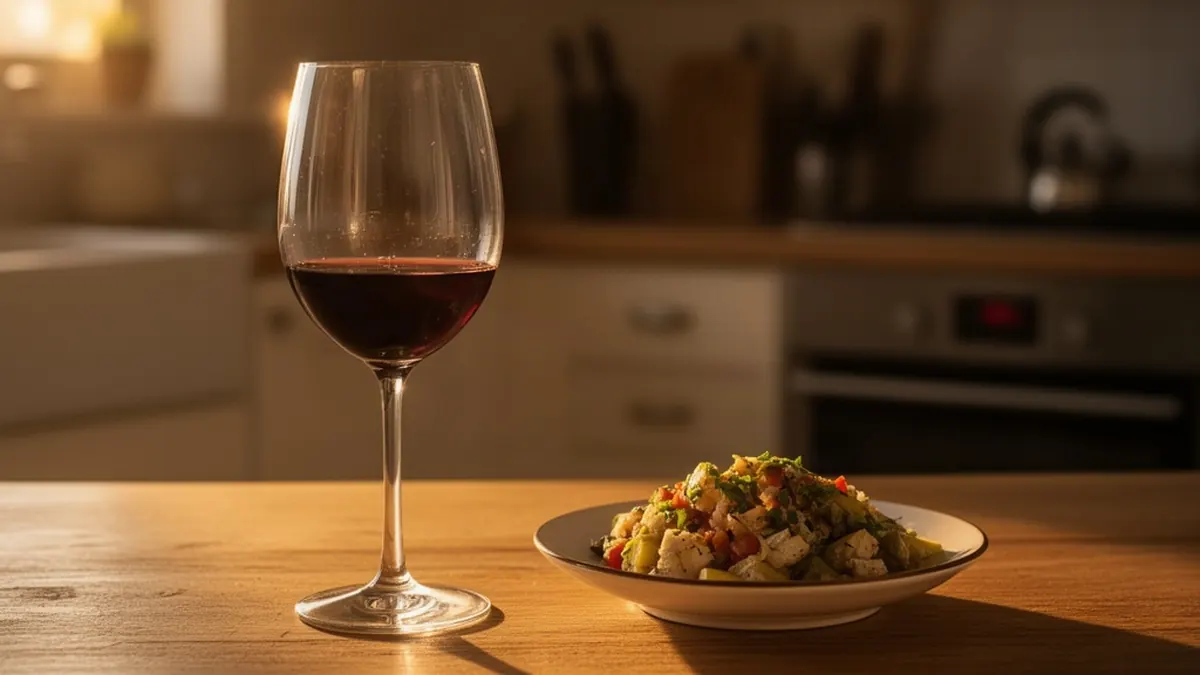
You've been on semaglutide for a couple of months. You're eating less, feeling fuller faster, and you're finally seeing results. Then the weekend arrives — a birthday dinner, a rooftop happy hour, maybe just a glass of wine with dinner at home. You wonder: is this actually okay? Nobody at the doctor's office gave you a clear answer. That's a frustrating spot to be in, and you're not alone. A lot of people on GLP-1 medications like semaglutide quietly wonder how alcohol fits into the picture. The honest answer is: it's complicated, and it depends a lot on how much you drink, when you drink, and what else is going on with your health. Let's break it down properly.
How Semaglutide Works (The Short Version)
Semaglutide is a GLP-1 receptor agonist. That's a mouthful, but here's what it actually means for your daily life: your body releases a hormone called GLP-1 after you eat, and it signals your brain that you're full, slows how fast your stomach empties, and helps your pancreas release insulin when blood sugar rises. Semaglutide mimics that hormone and keeps those signals going longer and stronger than your body would on its own.
The result? You feel full on less food. Your stomach empties more slowly. Your blood sugar doesn't spike as dramatically after meals. Those are the mechanisms that drive weight loss and blood sugar control. Keep them in mind, because alcohol interacts with every single one of them.
What Alcohol Does to Your Blood Sugar (Even Without Semaglutide)
Most people assume alcohol raises blood sugar because, hey, cocktails are sweet and beer has carbs. And yes, sugary drinks do push glucose up initially. But alcohol itself — the ethanol — actually blocks your liver from releasing stored glucose into your bloodstream. So a few drinks in, your blood sugar can drop. Sometimes significantly. This is called alcohol-induced hypoglycemia, and it's most dangerous when you drink on an empty stomach or after skipping a meal.
Symptoms of low blood sugar — shakiness, sweating, confusion, slurred speech — look a lot like being drunk. That overlap is genuinely dangerous. You or someone around you might assume you're just tipsy when your blood sugar is actually crashing. Even in people without diabetes, heavy drinking can push glucose low enough to cause problems. Add semaglutide into the mix, and the stakes shift.
The Blood Sugar Risk Gets Real on Semaglutide
Semaglutide alone, particularly when used for weight management without other diabetes medications, carries a low risk of hypoglycemia. That changes if you're also taking insulin or a sulfonylurea like glipizide or glimepiride. Combine those medications with alcohol? Now you've got semaglutide slowing gastric emptying, a sulfonylurea pushing insulin release, and alcohol blocking your liver's glucose backup system — all at once. That's a scenario where blood sugar can drop fast.
Even without those other medications, drinking heavily while on semaglutide and skipping meals (easy to do when your appetite is already suppressed) sets up a situation where your body has no glucose buffer. You haven't eaten much. The drug is keeping your stomach sluggish. The alcohol is shutting down your liver's release of stored sugar. You could feel fine until you really don't.
If you use semaglutide for type 2 diabetes, talk to your prescriber specifically about alcohol before your next night out. This isn't about being dramatic — it's just practical risk management.
- Hypoglycemia risk is higher if you combine semaglutide with sulfonylureas or insulin
- Skipping meals while drinking amplifies the blood sugar drop risk
- Symptoms of low blood sugar mimic intoxication — easy to miss
- Always eat something before or while drinking
Nausea, Vomiting, and the 'Two Hits at Once' Problem
Nausea is the most common side effect of semaglutide, especially in the first few weeks or when you move up to a higher dose. Alcohol — particularly in larger amounts — is also a reliable trigger for nausea and vomiting. When you stack these two things together, the GI misery can be significantly worse than either one alone.
Semaglutide slows gastric emptying, which means food and alcohol both sit in your stomach longer. So a couple of drinks might feel — and hit — harder than they used to. People often report feeling drunker faster on semaglutide, even without drinking more than usual. Part of that is the slowed absorption. Part of it may also be that you're eating less, so you're drinking on a lighter stomach overall.
The practical upshot: your old tolerance benchmarks don't apply anymore. The two beers that never bothered you before might leave you feeling awful. Go slower than you think you need to.
Does Semaglutide Actually Reduce Alcohol Cravings?
Here's something genuinely interesting. There's emerging research — mostly in animals, with early human data coming in — suggesting that GLP-1 receptor agonists may reduce the reward response to alcohol in the brain. Some patients on semaglutide report spontaneously drinking less. Not because they're forcing themselves, but because they just... don't want it as much. Sound familiar if you've been on it a while?
A few clinical studies are actively investigating this as a potential treatment angle for alcohol use disorder. We're not there yet in terms of approved uses, and I wouldn't count on semaglutide as a strategy for cutting back on drinking. But it's a real effect some people notice. If that's been your experience, you're not imagining it.
The flip side: don't assume the reduced craving is permanent, or that it means alcohol is now 'safer' on this medication. The physiological risks we talked about — blood sugar, nausea, altered absorption — are still present regardless of how much you want to drink.
Practical Rules for Drinking on Semaglutide
Nobody is telling you that you can never have a drink again. That's not realistic, and it's not necessarily what the evidence supports for light, occasional drinkers. But a few adjustments make a real difference.
Eat before you drink. Always. Even if your appetite is suppressed — eat something. Food slows alcohol absorption and gives your blood sugar somewhere to go. Stick to one or two drinks and pace yourself, especially when you're first starting the medication or moving to a new dose. Avoid high-sugar cocktails if you're managing blood sugar; a vodka soda is a different situation than a margarita made with 4 ounces of mix.
Know your warning signs. If you feel unusually unwell, dizzy, or confused, don't just assume it's the alcohol. Check your blood sugar if you have a meter. Tell whoever you're with that you're on a medication that can affect blood sugar. And if you're on semaglutide plus other diabetes medications, have a direct conversation with your prescriber before drinking at all — not to get permission, but to get a real plan.
- Always eat a meal before drinking, even a small one
- Start with one drink and wait — absorption may be slower than you expect
- Avoid drinking on your injection day if nausea is already an issue for you
- High-sugar mixers add complexity to blood sugar swings — keep it simple
- Let a trusted friend or family member know about your medication
- Keep glucose tablets or a juice box handy if you're on insulin or sulfonylureas
When to Actually Call Your Doctor
If you drink regularly — say, more than 7 drinks a week for women or 14 for men — and you're on semaglutide, that's a conversation worth having with your prescriber. Regular alcohol use affects liver function, and your liver plays a role in glucose regulation and drug metabolism. It's not a minor variable.
Also talk to your doctor if you've had episodes of low blood sugar, if you're on multiple diabetes medications, or if you've noticed alcohol hitting you very differently since starting semaglutide. These aren't edge-case concerns — they're things your prescriber genuinely needs to know to manage your treatment well. Don't assume it's too small a thing to mention. It's not.
Common questions
Can I have a glass of wine with dinner while taking semaglutide?
For most people using semaglutide for weight loss who aren't on other diabetes medications, an occasional glass of wine with food is generally low risk. The key is eating first and keeping the amount modest. Talk to your doctor if you have any concerns about your specific situation.
Why do I feel drunk faster since starting semaglutide?
Semaglutide slows how quickly your stomach empties, which means alcohol is absorbed more gradually but may also feel stronger earlier in the process. You're also likely eating less overall, so you're often drinking on a lighter stomach than before. Your old tolerance benchmarks genuinely may not apply anymore — pace yourself accordingly.
Is it dangerous to drink alcohol while on semaglutide for type 2 diabetes?
It can be, particularly if you're also taking insulin or a sulfonylurea alongside semaglutide. Alcohol blocks your liver from releasing stored glucose, which can cause blood sugar to drop significantly — and those symptoms can look like being drunk. Speak with your prescriber to get a clear, personalized plan before drinking.
Does semaglutide really reduce alcohol cravings?
Some people on semaglutide do report reduced interest in alcohol, and there's legitimate research exploring why GLP-1 receptor agonists may affect alcohol reward pathways in the brain. That said, this is an emerging area and semaglutide isn't prescribed for this purpose yet. Don't rely on it as a strategy for cutting back on drinking.