
The Best PCOS Diet Plan to Balance Your Hormones
Published October 24, 2026
Medically reviewed by Chep Meds USA Pharmacy Team
Content checked by our licensed pharmacists for accuracy against standard prescribing information. Last reviewed October 2026. Our editorial policy
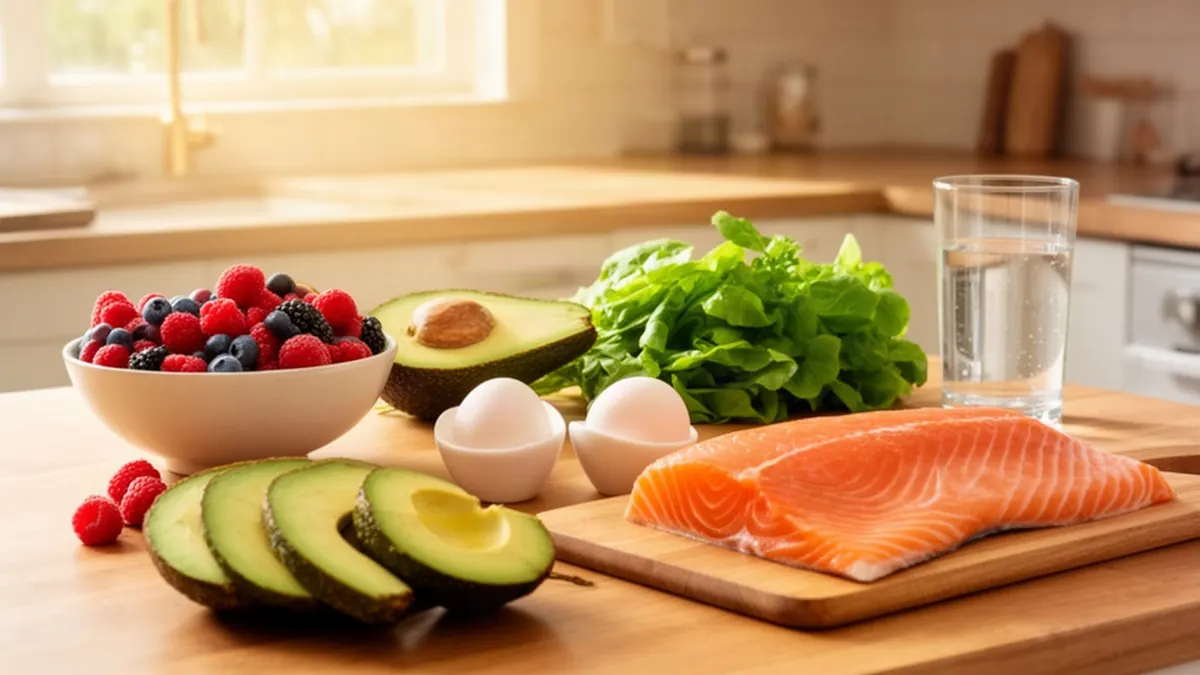
You've just been diagnosed with PCOS, and you leave the doctor's office holding a pamphlet that basically says 'eat healthy and exercise.' Thanks. Super helpful. Or maybe you've had PCOS for years, you've read everything, tried the keto thing, the vegan thing, the 1,200-calorie thing—and your periods are still erratic, your skin still breaks out, and the scale won't budge. I hear this constantly. The frustrating truth is there's no single PCOS diet that works for every woman, because PCOS itself isn't one single condition. But there are clear, evidence-backed eating patterns that lower insulin resistance, reduce androgen activity, and help your cycle find its rhythm again. Let's get into the actual details.
Why Insulin Is the Variable You're Not Watching Closely Enough
Around 70% of women with PCOS have some degree of insulin resistance—meaning your cells don't respond well to insulin, so your pancreas pumps out more of it. High insulin tells your ovaries to produce extra androgens like testosterone. That's the chain reaction behind irregular periods, excess hair growth, and acne. You can't outrun that with a salad once a week.
The goal of a PCOS-focused diet isn't just cutting calories. It's flattening those post-meal insulin spikes. Even modest changes—swapping white rice for brown rice at dinner, eating a handful of almonds before a carb-heavy meal—can reduce the insulin surge your body has to manage. Small, consistent wins add up faster than you'd think.
If your doctor has mentioned Metformin, that drug works partly by improving insulin sensitivity at the cellular level. Diet does something similar through food composition. The two often work together—but food changes are something you control every single day, multiple times a day.
The Carbohydrate Question: It's Not About Eating Zero Carbs
Cutting all carbs sounds logical when you hear 'insulin resistance,' but it's not sustainable and it's not necessary. What matters more is the type and pairing of carbohydrates. A bagel on an empty stomach at 7 a.m. hits your bloodstream very differently than the same bagel eaten after two scrambled eggs and some avocado. Protein and fat slow gastric emptying. That slows glucose absorption. That reduces the insulin spike.
Aim to keep your plate roughly one-quarter starchy carbs, one-quarter protein, and half non-starchy vegetables at most meals. Think: a cup of quinoa, a palm-sized piece of grilled salmon, and a big pile of roasted broccoli and zucchini. Not complicated, but it works. The glycemic index is a useful rough guide—lentils, beans, oats, and sweet potatoes are all lower-GI options that don't vanish from your plate; they just keep your blood sugar steadier.
Watch the sneaky sources. Flavored yogurt, store-bought smoothies, granola bars marketed as 'healthy'—these can carry 25–40 grams of added sugar. That's not a trivial amount when your pancreas is already working overtime.
- Choose whole grains over refined: oats, brown rice, farro, barley
- Pair every carb with a protein or fat source
- Limit added sugar to under 25 grams per day if possible
- Read labels on 'health' foods—marketing isn't nutrition
Protein: How Much, and Why It Matters More Than You Think
Protein does several things for PCOS that don't get enough attention. It's highly satiating, so you're less likely to graze on high-sugar snacks between meals. It has a minimal effect on blood glucose. And it supports muscle mass—which matters because muscle tissue is metabolically active and improves insulin sensitivity over time. You don't need to be lifting heavy weights to benefit from this; even regular walking paired with adequate protein intake helps.
A reasonable target for most women with PCOS is somewhere between 0.7 and 1.0 grams of protein per pound of body weight per day. If you weigh 150 pounds, that's 105–150 grams. Spread across three meals and a snack, that's very doable. Think: Greek yogurt at breakfast (17g), a chicken breast at lunch (35g), a handful of edamame as a snack (8g), and salmon at dinner (34g).
Plant proteins absolutely count—lentils, chickpeas, tofu, tempeh, hemp seeds. A bonus with legumes is that they're also high in fiber, which further blunts glucose spikes. Two birds, one stone.
Anti-Inflammatory Eating: The Hormone-Calming Side of Your Plate
PCOS involves chronic low-grade inflammation, and that inflammation feeds androgen production. An anti-inflammatory eating pattern doesn't mean eating obscure superfoods. It means leaning on fatty fish (salmon, sardines, mackerel two to three times a week), colorful vegetables, berries, olive oil, nuts, and seeds. These are foods you can find at any grocery store in any city in the US for reasonable prices.
On the other side, ultra-processed foods, trans fats, and high-fructose corn syrup actively promote inflammation. That doesn't mean you can never eat a bag of chips—it means the pattern matters. If 80% of your meals are built around whole, minimally processed ingredients, the occasional Friday pizza isn't going to sabotage your hormones.
Omega-3 fatty acids deserve a specific mention. Studies show they can lower free testosterone and reduce fasting insulin in women with PCOS. Walnuts are an easy daily add—about a quarter cup a day. Canned wild salmon is cheap and versatile. You don't need expensive supplements if your diet includes these sources regularly.
- Eat fatty fish 2–3 times per week
- Use olive oil as your primary cooking fat
- Add a handful of walnuts or flaxseed to daily meals
- Fill half your plate with colorful vegetables at each meal
- Minimize packaged snacks, fast food, and sugary drinks
Fiber: The Underrated Tool for Managing PCOS Symptoms
Most American women eat about 15 grams of fiber daily. The recommendation is 25–38 grams. That gap matters a lot with PCOS. Fiber slows digestion, feeds beneficial gut bacteria, reduces estrogen reabsorption in the gut, and helps lower fasting insulin levels. Increasing fiber intake is one of the most reliable, low-effort dietary changes you can make.
Practical ways to get there: start your day with half a cup of rolled oats (4g fiber), throw a can of black beans into your lunch wrap (15g fiber), snack on an apple with almond butter (4g fiber), and pile roasted Brussels sprouts on your dinner plate (4g per cup). You're already at 27 grams and you haven't done anything drastic.
Increase fiber gradually—going from 15 to 38 grams overnight will make you miserable and gassy. Add about 5 grams more per week and drink more water as you go. Your gut microbiome needs time to adjust.
A Word on Metformin and How Diet Fits In
Metformin is commonly prescribed for PCOS—not just for type 2 diabetes. It works by reducing glucose production in the liver and improving how your cells respond to insulin. For women with PCOS who have significant insulin resistance or metabolic concerns, it can be genuinely helpful. Some also see improvements in cycle regularity and androgen levels over time.
Here's the thing though: Metformin works best when paired with dietary changes, not instead of them. Think of it as lowering your starting insulin level, while your diet keeps each meal from spiking it back up. If you're on Metformin and still eating a high-sugar, high-refined-carb diet, you're leaving a lot of benefit on the table. The drug and the diet are complementary tools.
If you think Metformin might be appropriate for your situation, that's a conversation to have with your OB-GYN, endocrinologist, or primary care provider. Don't start or stop any medication on your own. And if cost is a barrier, generic Metformin is very affordable—often just a few dollars per month at most pharmacies.
Building Meals That Actually Work in Real Life
Theory is easy. Getting dinner on the table after a 10-hour workday is another story. A few practical frameworks help. First, batch cook on Sundays: a pot of lentils, roasted sheet-pan vegetables, and hard-boiled eggs will carry you through four or five weekday meals with minimal effort. Second, keep frozen vegetables on hand. Frozen broccoli, edamame, and spinach are just as nutritious as fresh—they don't go bad, and they take five minutes to heat up.
Breakfast deserves particular attention with PCOS because many women skip it or grab something sugary, which sets up unstable blood sugar for the entire day. Two eggs scrambled with spinach and a slice of whole-grain toast takes eight minutes. Greek yogurt with chia seeds and a handful of blueberries takes two minutes. Either option keeps you stable until lunch.
Don't aim for perfection. Aim for consistency. A diet that's genuinely good 80% of the time, built around foods you actually enjoy, will always beat a 'perfect' plan you abandon by Thursday. Start with one or two changes this week—maybe swapping your afternoon snack to something with protein and fat, or adding a vegetable to dinner. Build from there.
- Quick breakfast wins: eggs with veggies, Greek yogurt with berries, overnight oats
- Batch cook proteins and grains once a week to save weeknight effort
- Keep frozen veg, canned beans, and canned fish as pantry staples
- Eat within an hour of waking to stabilize morning cortisol and blood sugar
Medicines mentioned in this article
- Bigomet 250 mg Tabletfrom $7.99
- Metford 1000 mg SR Tabletfrom $21.99
- Bigomet 1000 mg Tablet SRfrom $29.99
Common questions
Is a keto diet good for PCOS?
Some women with PCOS do see short-term improvements on keto because it dramatically lowers carbohydrate intake and reduces insulin spikes. That said, it's very restrictive and hard to sustain long-term, and the evidence isn't strong enough to recommend it over a well-balanced low-glycemic diet. A more moderate approach—reducing refined carbs and prioritizing protein and fiber—tends to work better for most people over the long haul.
Can dairy make PCOS symptoms worse?
The research on dairy and PCOS is mixed. Some studies suggest that full-fat dairy may have a neutral or even slightly positive effect on insulin sensitivity, while skim milk's higher glycemic response may be less ideal. If you notice that dairy seems to worsen your acne or inflammation, it's worth experimenting with reducing it. But there's no blanket reason to cut dairy unless it bothers you specifically—talk to your doctor if you're unsure.
How long does it take to see results from dietary changes with PCOS?
Most women start noticing small changes—more energy, fewer cravings, less bloating—within two to four weeks of consistent dietary improvements. Hormonal changes and cycle improvements typically take longer, often three to six months. Be patient with yourself; your endocrine system doesn't shift overnight, and consistency matters far more than speed.
Should I take inositol supplements for PCOS?
Myo-inositol and D-chiro-inositol supplements have a reasonable body of evidence supporting their use in PCOS, particularly for improving insulin sensitivity and ovulatory function. They're generally considered safe and relatively affordable. That said, supplements aren't substitutes for dietary changes, and you should check with your doctor or pharmacist before starting them—especially if you're already taking Metformin or other medications.