
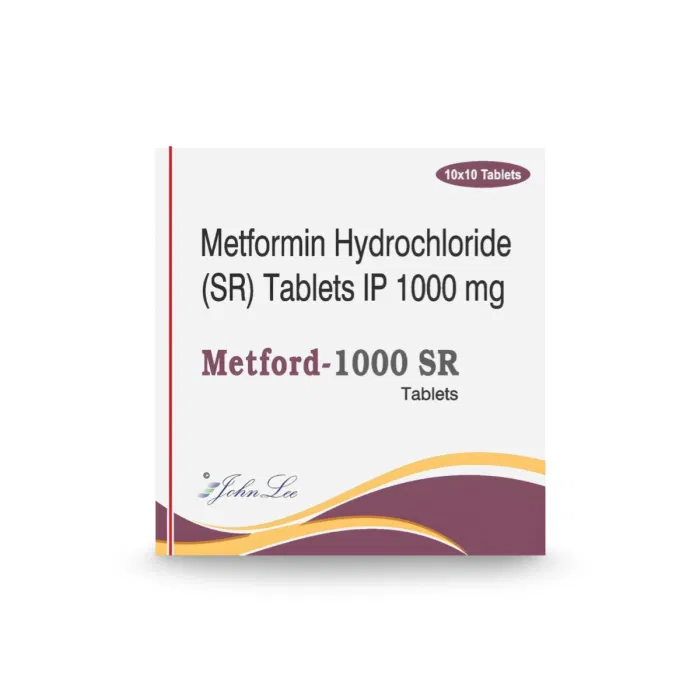
Metformin
Metford 1000 mg SR Tablet★★★★★5.0 (1)
Starting at
$21.99
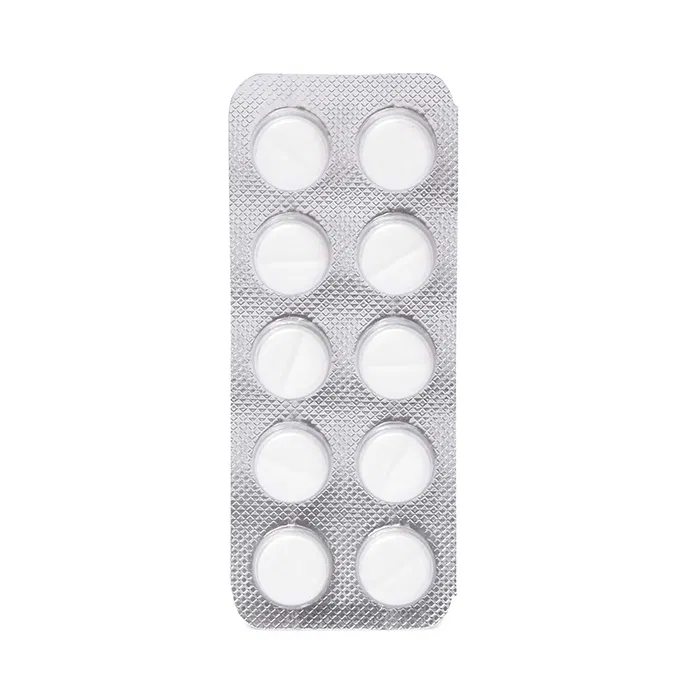
Glycomet 250 mg Tablet contains 250 mg of metformin in each tablet. It belongs to the biguanide class of medicines and is used to help lower blood sugar in people with type 2 diabetes.
Prescription required — you can upload it at checkout or later
Choose strength (3 available)
| Pack Size | Qty | Price | Add to cart | Unit Price |
|---|---|---|---|---|
| 30 tablet/s | $7.99 | $0.27 | ||
| 60 tablet/s | $13.99 | $0.23 | ||
| 90 tablet/s | $18.99 | $0.21 |
Save more with our biggest pack
Free shipping on orders of $199 or more
Glycomet 250 mg Tablet contains 250 mg of metformin in each tablet. It belongs to the biguanide class of medicines and is used to help lower blood sugar in people with type 2 diabetes. Glycomet 250 mg Tablet is taken by mouth and is usually used along with diet and exercise. It may also be used for other diabetes-related purposes when a clinician prescribes it.
How it works: Metformin in Glycomet 250 mg Tablet helps reduce the amount of sugar your liver releases into the blood and helps your body respond better to insulin. This tablet also helps lower the amount of sugar absorbed from food, which can improve blood sugar control over time.
Glycomet 250 mg Tablet is the lowest strength in this brand range, so it is often chosen when a doctor wants a smaller metformin dose or a more gradual step-up in treatment. Compared with Glycomet 850 mg Tablet and Glycomet 1000 mg Tablet, the 250 mg tablet gives much less metformin per tablet, which can make dose adjustment easier and may be gentler for some people starting therapy or needing a reduced dose. Because this is a lower-strength tablet, it is not meant to be swapped for higher strengths tablet-for-tablet.
Each Glycomet 250 mg Tablet provides 250 mg of metformin, which is a lower-strength tablet than Glycomet 850 mg Tablet and Glycomet 1000 mg Tablet. The number of times per day you take it depends on your prescribed plan; metformin may be taken once daily, twice daily, or more often in divided doses. Your doctor decides the exact dose and the maximum daily amount based on your blood sugar, kidney function, and how you tolerate the medicine.
Do not change your dose or stop the medicine without speaking to your doctor.
Common side effects of Metformin may include:
Get medical help right away if you notice:
Store Glycomet 250 mg Tablet in its original strip/box at room temperature, away from moisture, heat, and out of reach of children.
Glycomet 250 mg is used to help control blood sugar in people with type 2 diabetes. It is usually prescribed along with diet changes and regular physical activity.
Glycomet 250 mg Tablet is usually swallowed with water and taken with meals or after food to reduce stomach upset. Take it only as often and as much as your doctor prescribes.
It can be used as a lower-strength option when a doctor wants a smaller metformin dose or a gradual increase. Because it is the lowest strength in this brand range, it may help with careful dose adjustment rather than replacing higher-strength tablets one for one.
Common side effects include nausea, diarrhea, stomach discomfort, and a metallic taste. Seek urgent help if you have severe weakness, trouble breathing, or other symptoms that could suggest a serious reaction such as lactic acidosis.
No written reviews yet.
Same as Metformin
Metformin
Metford 1000 mg SR TabletStarting at
$21.99
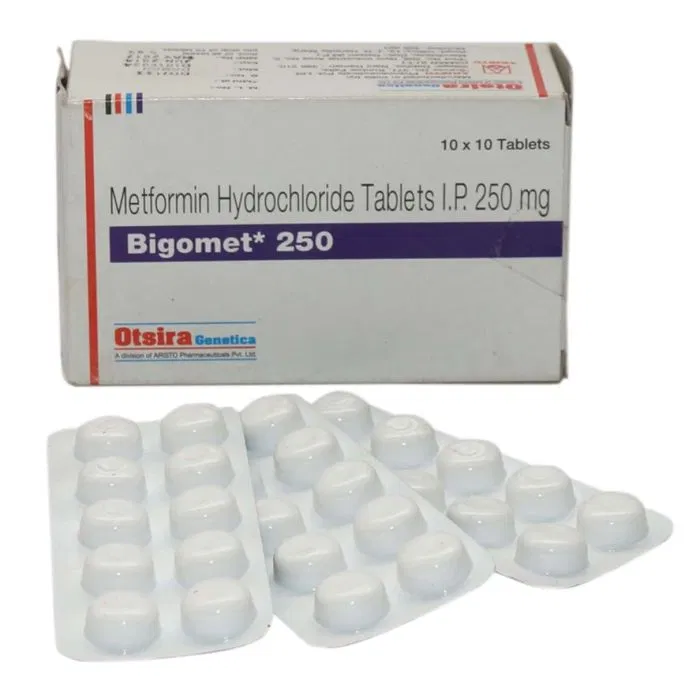
Metformin
Bigomet 250 mg TabletStarting at
$7.99
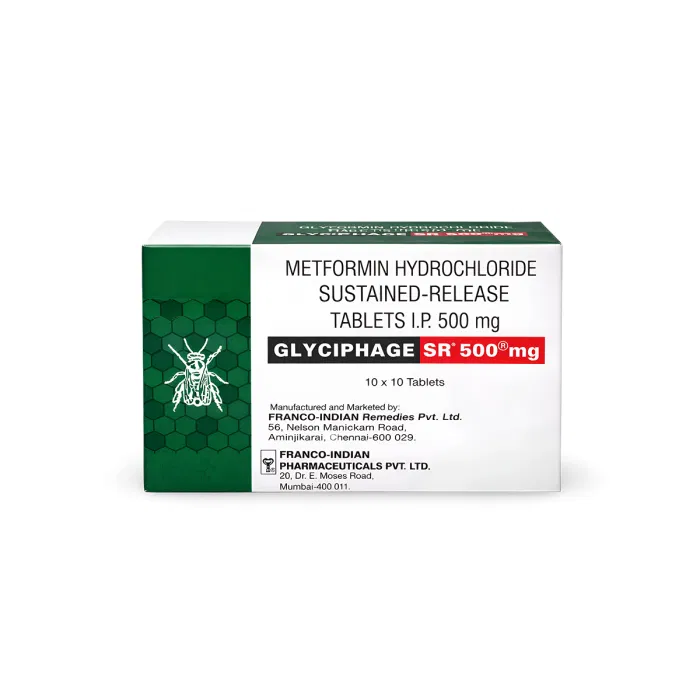
Metformin
Glyciphage SR 500 mg TabletStarting at
$17.99
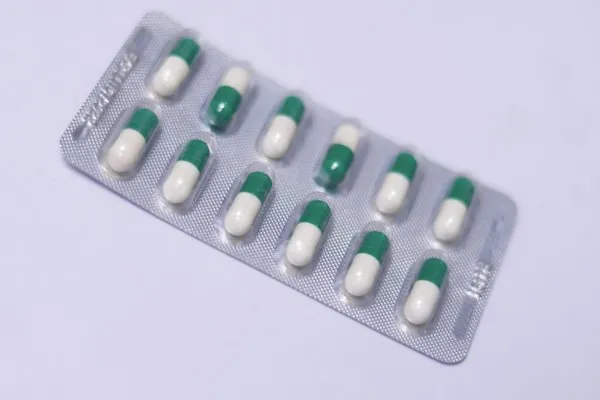
Metformin
Bigomet 850 mg TabletStarting at
$22.99
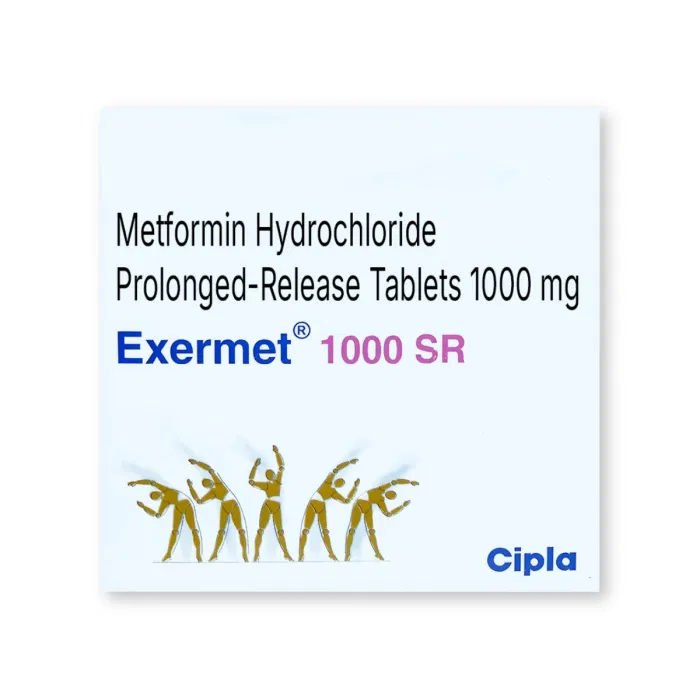
Metformin
Exermet 1000 mg Tablet SRStarting at
$21.99
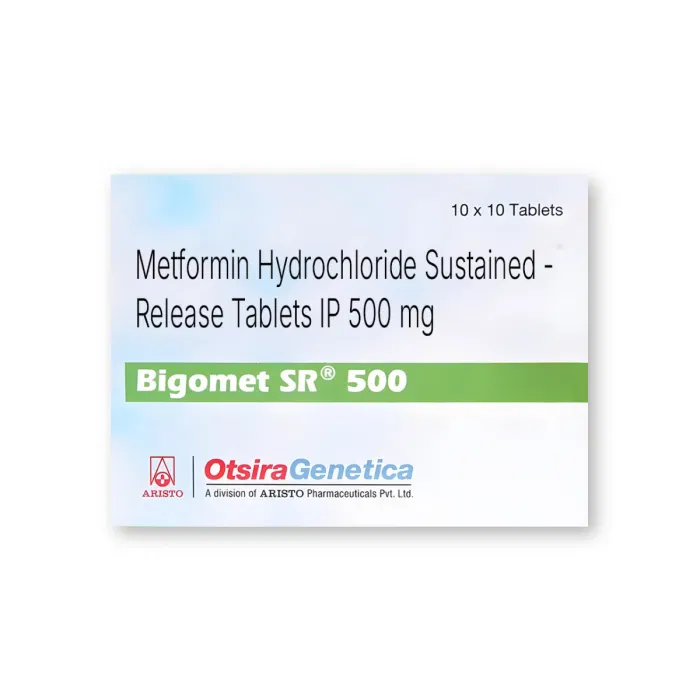
Metformin
Bigomet 500 mg Tablet SRStarting at
$19.99
Metformin
Bigomet 1000 mg Tablet SRStarting at
$29.99
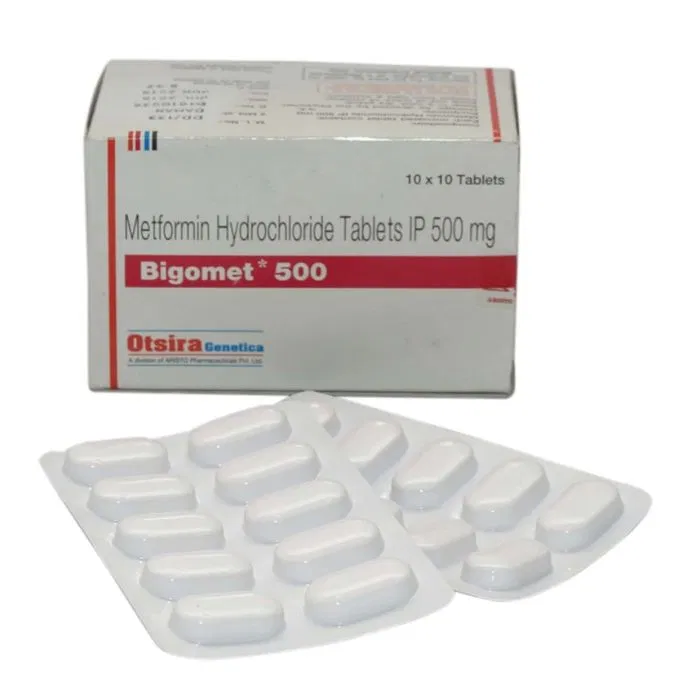
Metformin
Bigomet 500 mg TabletStarting at
$2.99