
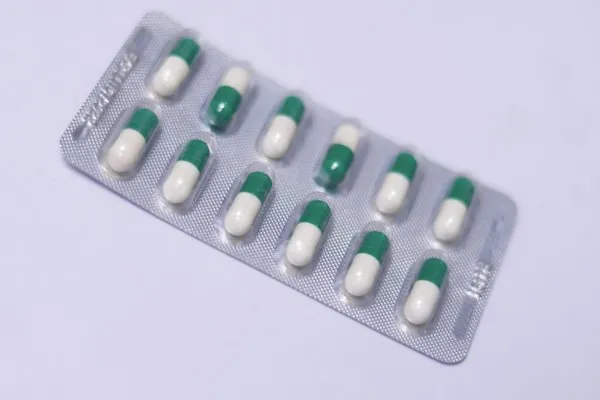
Repaglinide
Eurepa 1 mg Tablet★★★★★0.0 (0)
Starting at
$42.99
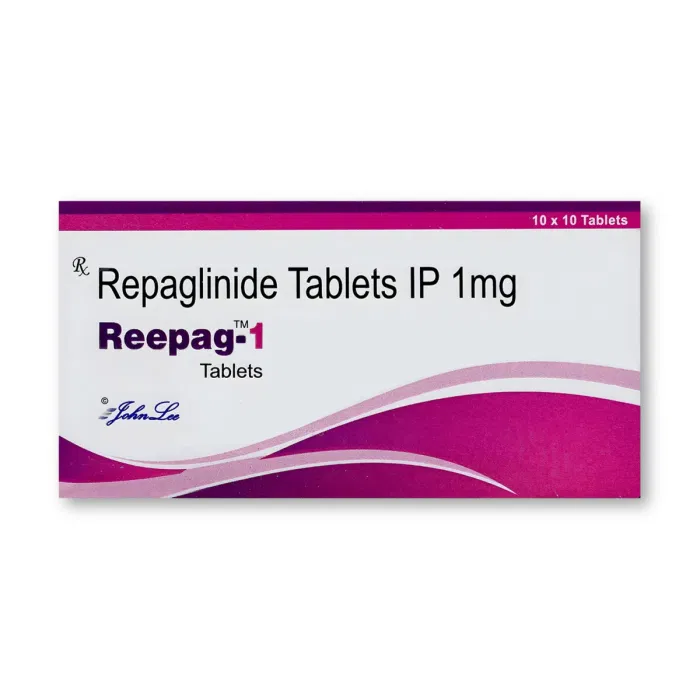
Reepag 1 mg Tablet is a prescription medicine that contains 1 mg of repaglinide in each tablet. It belongs to the meglitinide class of diabetes medicines and is used to help lower blood sugar in adults with type 2 diabetes.
Prescription required — you can upload it at checkout or later
| Pack Size | Qty | Price | Add to cart | Unit Price |
|---|---|---|---|---|
| 30 tablet/s | $28.99 | $0.97 | ||
| 60 tablet/s | $55.99 | $0.93 | ||
| 90 tablet/s | $80.99 | $0.90 |
Save more with our biggest pack
Free shipping on orders of $199 or more
Reepag 1 mg Tablet is a prescription medicine that contains 1 mg of repaglinide in each tablet. It belongs to the meglitinide class of diabetes medicines and is used to help lower blood sugar in adults with type 2 diabetes. Reepag 1 mg Tablet is taken with meals and works best when used along with diet, exercise, and regular blood sugar checks. It is not used to treat type 1 diabetes or diabetic ketoacidosis.
How it works: Repaglinide in Reepag 1 mg Tablet helps the pancreas release more insulin for a short time after a meal. By increasing insulin only around mealtime, this tablet helps lower the blood sugar rise that happens after eating.
Reepag 1 mg Tablet is a mid-range repaglinide strength that may be chosen when a lower dose is not enough, but the prescriber wants to adjust treatment carefully meal by meal. Because each tablet contains 1 mg of repaglinide, it can start working quickly after a dose and is intended for people whose doctor has already assessed their glucose pattern and eating schedule. This strength may be more suitable for adults who need tighter post-meal blood sugar control than lower strengths can provide.
Each Reepag 1 mg Tablet provides 1 mg of repaglinide per tablet. The usual frequency is before meals, and it may be taken up to several times per day depending on how many meals you eat; the total daily dose is set by your doctor and should not exceed 16 mg per day. Your prescriber decides the exact schedule, since the right dose depends on your blood sugar results, meal pattern, and response to treatment.
Do not change your dose or stop the medicine without speaking to your doctor.
Common side effects of Repaglinide may include:
Get medical help right away if you notice:
Store Reepag 1 mg Tablet at room temperature in its original strip, away from moisture and excess heat.
Reepag 1 mg Tablet is used to help lower blood sugar in adults with type 2 diabetes. It is taken before meals and is meant to be used along with diet, exercise, and routine glucose monitoring.
Take Reepag 1 mg Tablet within 30 minutes before eating, usually just before each main meal if your doctor has prescribed it that way. If you skip a meal, you should skip that dose to reduce the risk of low blood sugar.
Yes, low blood sugar is one of the most important side effects of Reepag 1 mg Tablet. The risk is higher if you miss meals, drink alcohol, exercise more than usual, or take it with other diabetes medicines.
Reepag 1 mg Tablet contains repaglinide as the active ingredient, so it is a repaglinide tablet in a 1 mg strength. The exact tablet strength matters because your doctor uses it to match your meal-time blood sugar needs.
No written reviews yet.
Same as Repaglinide
Repaglinide
Eurepa 1 mg TabletStarting at
$42.99
Repaglinide
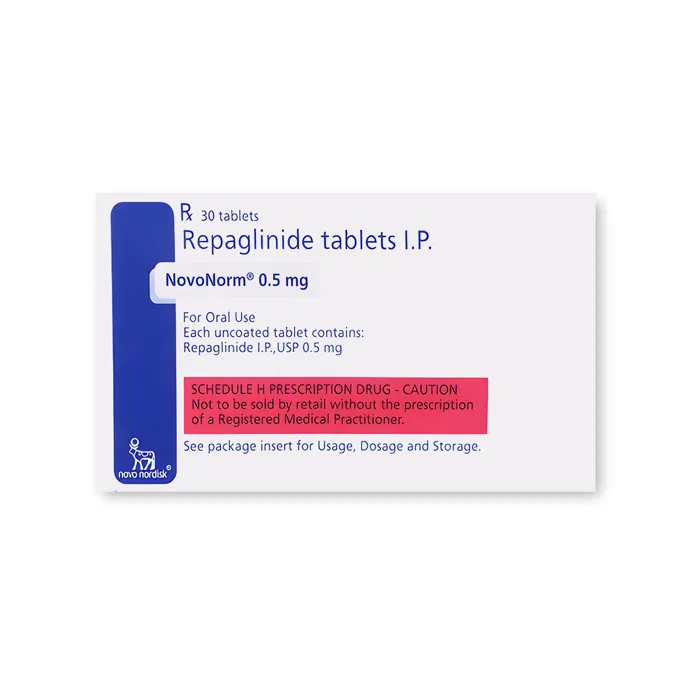
Novonorm 0.5 mg TabletStarting at
$30.99
Repaglinide
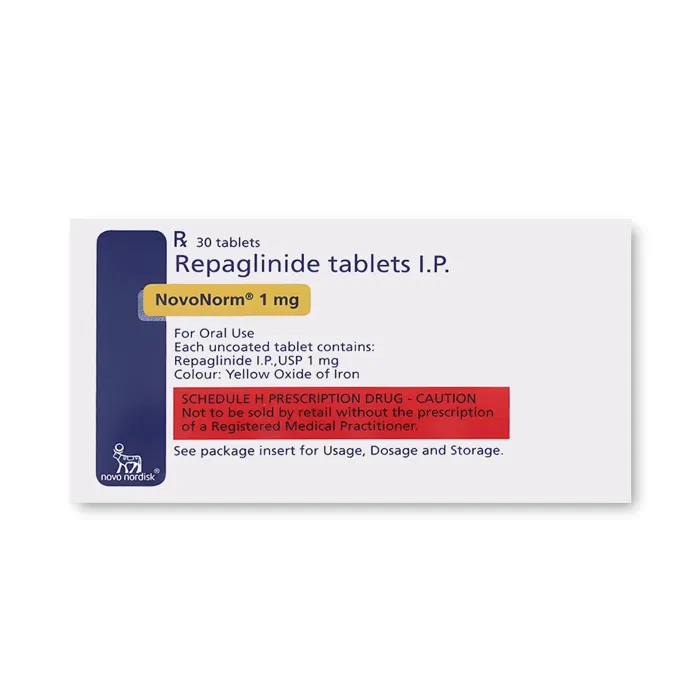
Novonorm 1 mg TabletStarting at
$33.99
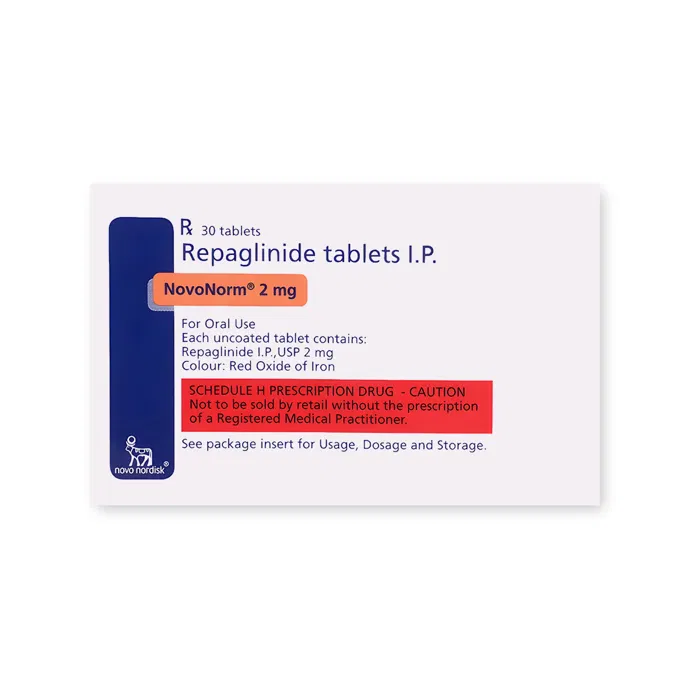
Repaglinide
Novonorm 2 mg TabletStarting at
$38.99
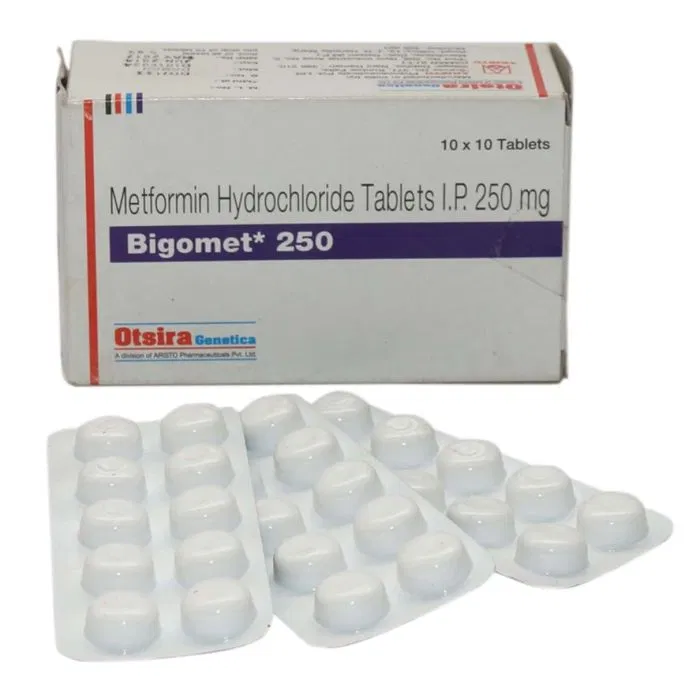
Metformin
Bigomet 250 mg TabletStarting at
$7.99
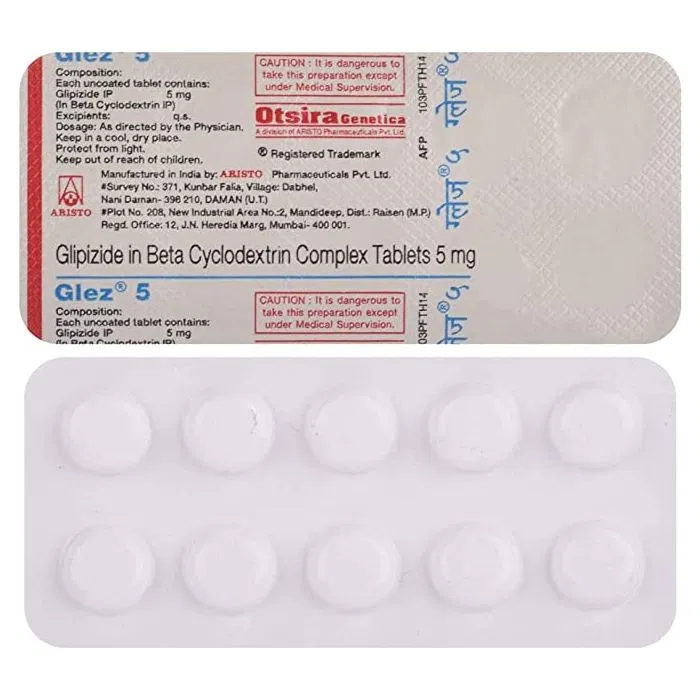
Glipizide
Glez 5 mg TabletStarting at
$16.99
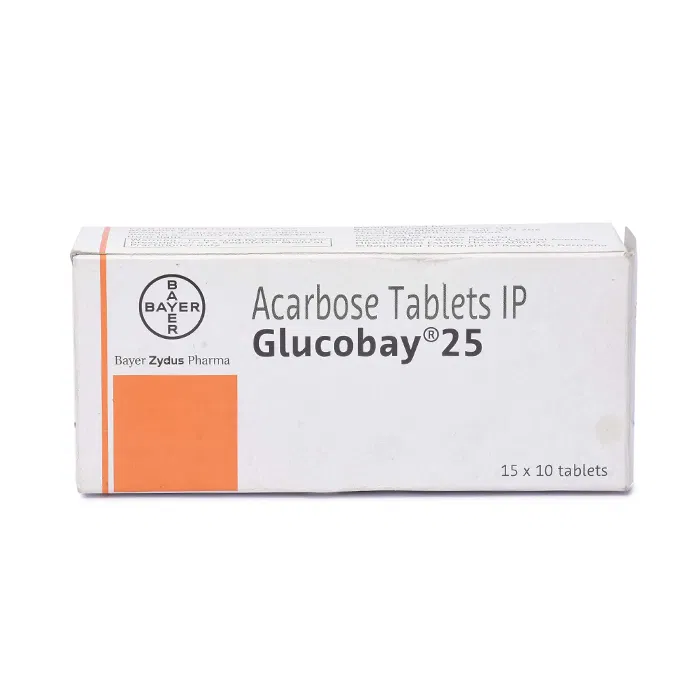
Acarbose
Glucobay 25 mg TabletStarting at
$21.99
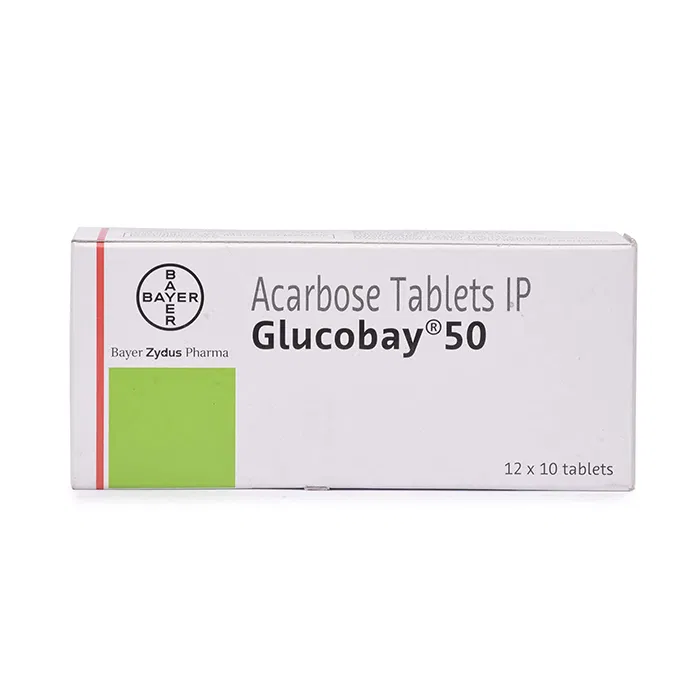
Acarbose
Glucobay 50 mg TabletStarting at
$36.99