
Tinidazole
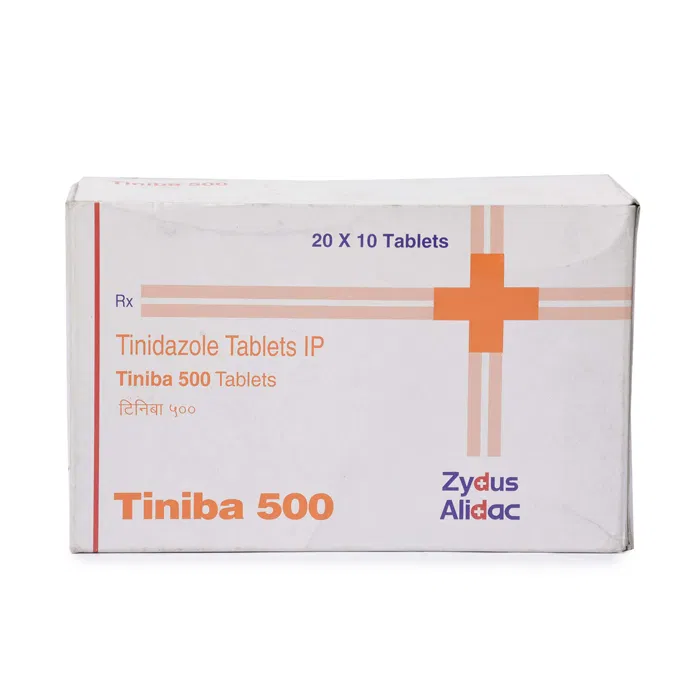
Tiniba 500 mg Tablet★★★★★0.0 (0)
Starting at
$32.99

Khp 300 mg Tablet is a prescription antibiotic tablet that contains 300 mg of tinidazole in each tablet. Tinidazole belongs to the nitroimidazole class and is used to treat certain infections caused by susceptible parasites and bacteria.
Prescription required — you can upload it at checkout or later
Choose strength (2 available)
| Pack Size | Qty | Price | Add to cart | Unit Price |
|---|---|---|---|---|
| 300 tablet/s | $24.99 | $0.08 | ||
| 600 tablet/s | $44.99 | $0.07 | ||
| 900 tablet/s | $59.99 | $0.07 |
Save more with our biggest pack
Free shipping on orders of $199 or more
Khp 300 mg Tablet is a prescription antibiotic tablet that contains 300 mg of tinidazole in each tablet. Tinidazole belongs to the nitroimidazole class and is used to treat certain infections caused by susceptible parasites and bacteria. Khp 300 mg Tablet may be prescribed for conditions such as giardiasis, trichomoniasis, bacterial vaginosis, and some amoebic infections, depending on your doctor’s diagnosis. It is made by Zoic Lifesciences and comes in a strip/box of 10 tablets.
How it works: Tinidazole works by entering certain microorganisms and damaging their DNA, which stops them from growing and multiplying. In tablet form, Khp 300 mg Tablet delivers the medicine by mouth so it can be absorbed into the bloodstream and reach the site of infection.
Khp 300 mg Tablet is a lower-strength tablet than Khp 500 mg Tablet, so it may be chosen when a doctor wants a smaller per-tablet dose or needs more flexible dosing. This strength does not work faster than higher strengths, but it can make it easier to match the exact amount prescribed for a particular infection or patient.
Each Khp 300 mg Tablet provides 300 mg of tinidazole per tablet. The exact dose and how often you take it depend on the infection being treated, your age, and your doctor’s instructions; in some cases tinidazole is taken once, while in others it may be taken once daily for a short course. Do not take more tablets per day than prescribed, because the maximum daily amount must be set by a clinician for your specific condition.
Do not change your dose or stop the medicine without speaking to your doctor.
Common side effects of Tinidazole may include:
Get medical help right away if you notice:
Store Khp 300 mg Tablet in its original strip at room temperature, away from excess heat, moisture, and light, and keep it out of reach of children.
Khp 300 mg Tablet is used to treat certain protozoal and bacterial infections, including giardiasis, trichomoniasis, bacterial vaginosis, and some amoebic infections. Your doctor chooses it based on the infection and the germ likely causing it.
Khp 300 mg Tablet is usually swallowed whole with water, and it may be taken with food if it causes stomach upset. Follow your doctor’s exact directions, because tinidazole dosing can be a single-dose regimen or a short course depending on the infection.
No, alcohol should be avoided while taking Khp 300 mg Tablet and for the time period your doctor recommends after the last dose. Mixing tinidazole with alcohol can cause flushing, nausea, vomiting, stomach cramps, and headache.
Both products contain tinidazole, but Khp 300 mg Tablet has a smaller amount of medicine in each tablet than Khp 500 mg Tablet. A doctor may choose the 300 mg strength when a lower per-tablet dose or more flexible dosing is needed.
No written reviews yet.
Same as Tinidazole
Tinidazole
Tiniba 500 mg TabletStarting at
$32.99

Tinidazole
Protobid 500 mg TabletStarting at
$18.99
Tinidazole
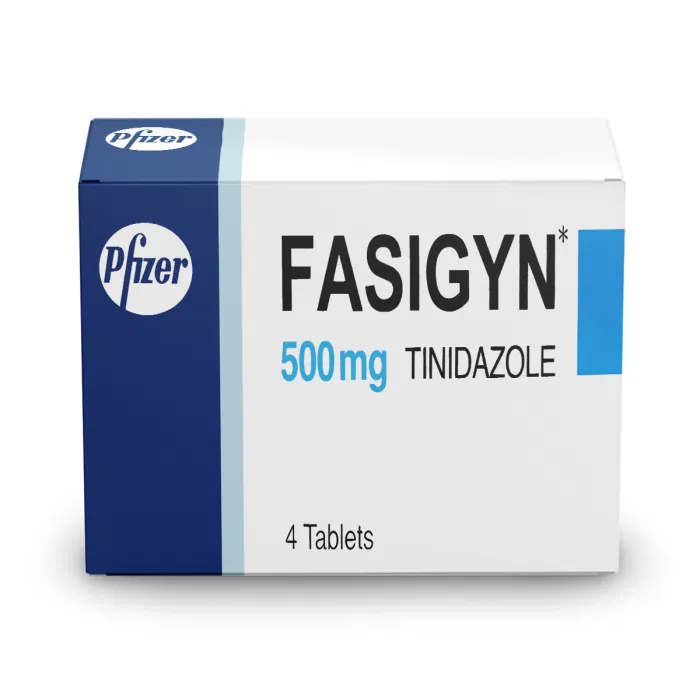
Fasigyn 500 mg TabletStarting at
$32.99

Tinidazole
Protobid 300 mg TabletStarting at
$25.99
Tinidazole
Tini 300 mg TabletStarting at
$30.99
Tinidazole
Cozit 500 mg TabletStarting at
$23.99
Tinidazole
Khp 500 mg TabletStarting at
$32.99
Tinidazole
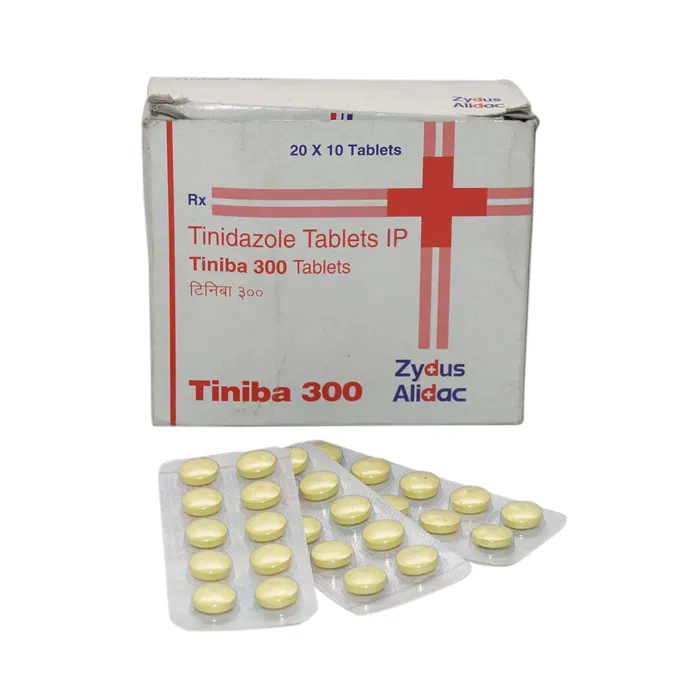
Tiniba 300 mg TabletStarting at
$18.99