
Tinidazole
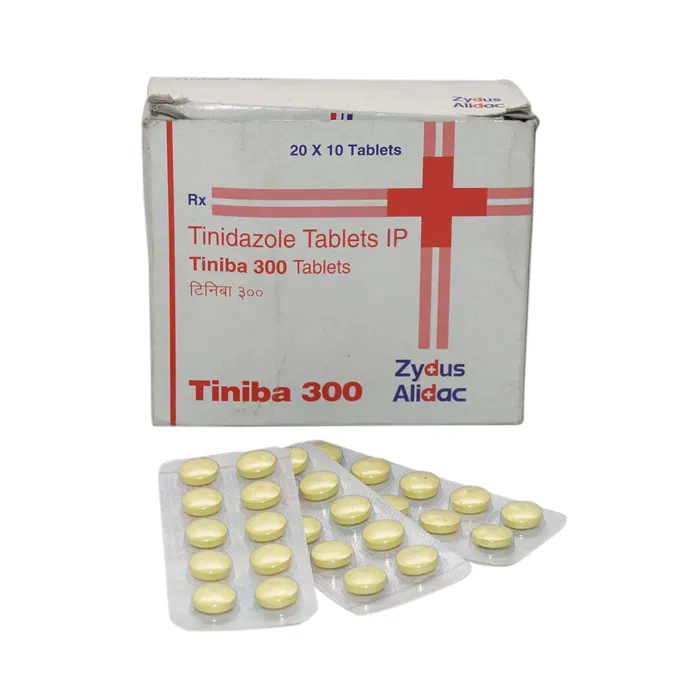
Tiniba 300 mg Tablet★★★★★0.0 (0)
Starting at
$18.99
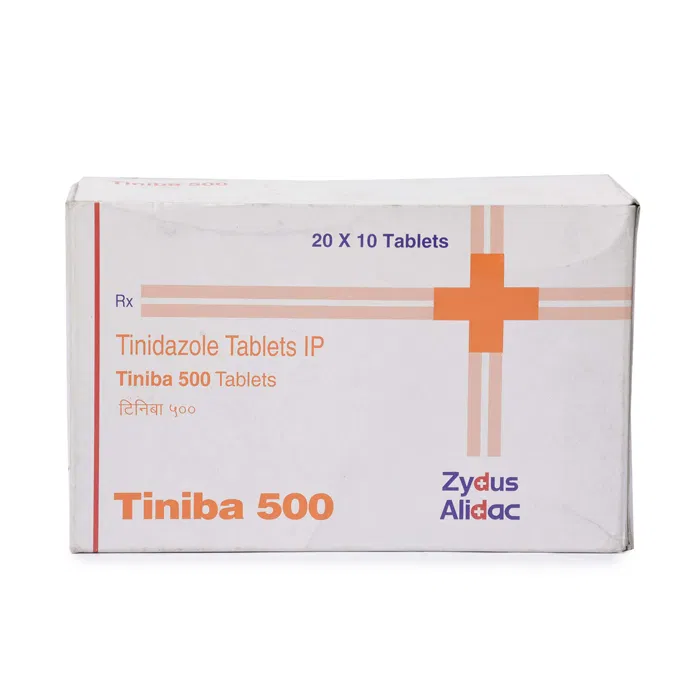
Tiniba 500 mg Tablet is a prescription antibiotic and antiprotozoal medicine that contains 500 mg of tinidazole in each tablet. It belongs to the nitroimidazole class and is used to treat certain infections caused by susceptible bacteria and protozoa.
Prescription required — you can upload it at checkout or later
Choose strength (2 available)
| Pack Size | Qty | Price | Add to cart | Unit Price |
|---|---|---|---|---|
| 30 tablet/s | $32.99 | $1.10 | ||
| 60 tablet/s | $62.99 | $1.05 | ||
| 90 tablet/s | $89.99 | $1.00 |
Save more with our biggest pack
Free shipping on orders of $199 or more
Tiniba 500 mg Tablet is a prescription antibiotic and antiprotozoal medicine that contains 500 mg of tinidazole in each tablet. It belongs to the nitroimidazole class and is used to treat certain infections caused by susceptible bacteria and protozoa. Tiniba 500 mg Tablet is commonly prescribed for infections such as bacterial vaginosis, trichomoniasis, giardiasis, and amebiasis when a doctor determines it is appropriate.
How it works: Tinidazole works by entering the infection-causing organisms and damaging their genetic material, which stops them from growing and surviving. In the tablet form, Tiniba 500 mg is swallowed and absorbed in the body so it can act against the infection throughout the tissue or bloodstream.
Tiniba 500 mg Tablet is a higher-strength tablet compared with Tiniba 300 mg Tablet, so it may be chosen when a doctor wants fewer tablets per dose or a specific total dose that fits the treatment plan. Because it delivers 500 mg in one tablet, it is not a starter strength for self-adjusting; the exact schedule depends on the infection, your age, and your medical history.
Each Tiniba 500 mg Tablet contains 500 mg of tinidazole, so the number of tablets per dose depends on the prescribed regimen. Depending on the infection, it may be taken as a single dose or once daily for several days, and the total amount per day should follow the doctor’s instructions; do not exceed the prescribed maximum daily dose.
Do not change your dose or stop the medicine without speaking to your doctor.
Common side effects of Tinidazole may include:
Get medical help right away if you notice:
Store Tiniba 500 mg Tablet in its original strip or box at room temperature, away from moisture, heat, and direct light.
Tiniba 500 mg is used to treat certain infections caused by bacteria and protozoa, including bacterial vaginosis, trichomoniasis, giardiasis, and amebiasis. The exact use depends on your diagnosis and the prescription from your doctor.
Tiniba 500 mg Tablet is swallowed with water, usually with or after food if it causes stomach upset. Take it exactly as prescribed, because some infections use a single dose while others need a multi-day schedule.
No, alcohol should be avoided while taking Tiniba 500 mg Tablet and for the time period your doctor recommends after the last dose. Mixing alcohol with tinidazole can cause nausea, flushing, vomiting, and other unpleasant reactions.
Yes, Tiniba 500 mg Tablet contains more tinidazole in each tablet than Tiniba 300 mg Tablet, so fewer tablets may be needed for some prescribed regimens. Your doctor chooses the strength based on the infection being treated and the total dose needed.
No written reviews yet.
Same as Tinidazole
Tinidazole
Tiniba 300 mg TabletStarting at
$18.99
Tinidazole
Protobid 300 mg TabletStarting at
$25.99
Tinidazole
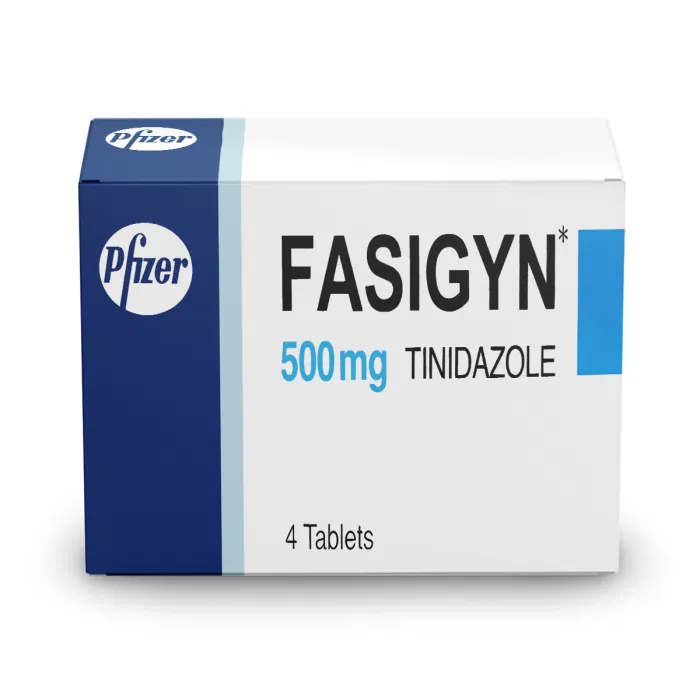
Fasigyn 500 mg TabletStarting at
$32.99
Tinidazole
Khp 500 mg TabletStarting at
$32.99

Tinidazole
Protobid 500 mg TabletStarting at
$18.99

Tinidazole
Cozit 500 mg TabletStarting at
$23.99
Tinidazole
Khp 300 mg TabletStarting at
$24.99
Tinidazole
Tini 300 mg TabletStarting at
$30.99