
Men's Mental Health: Depression, Stress and Sexual Health
Published September 23, 2026
Medically reviewed by Chep Meds USA Pharmacy Team
Content checked by our licensed pharmacists for accuracy against standard prescribing information. Last reviewed October 2026. Our editorial policy
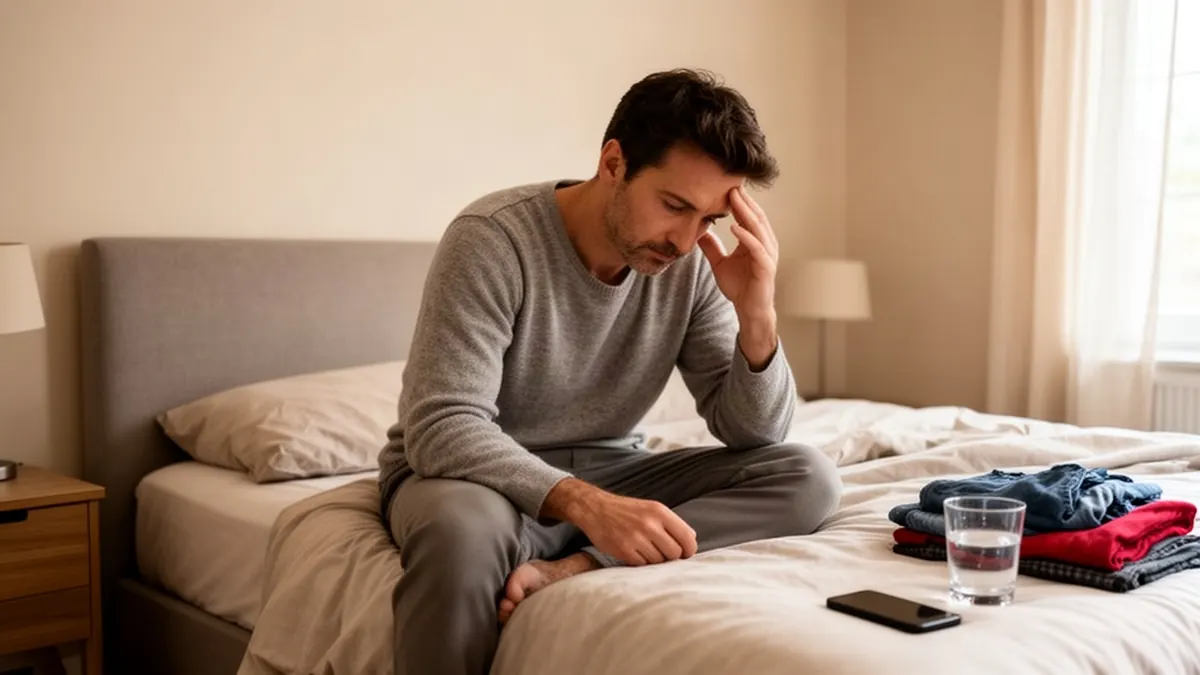
Men’s mental health is often overlooked, yet depression and chronic stress can affect nearly every part of life, including sleep, work performance, relationships, and sexual health. Some men notice changes in desire, erections, ejaculation, or confidence long before they recognize mood symptoms. Because mental and sexual health are closely connected, it is important to look at both together and to talk with a healthcare professional if symptoms persist.
Why Men’s Mental Health Often Goes Unnoticed
Many men are taught to stay quiet about emotional struggles, which can make depression or anxiety harder to recognize. Instead of saying they feel sad, men may describe being irritable, exhausted, “burned out,” or not feeling like themselves.
Depression in men can also look different from the stereotype of constant sadness. Some men become withdrawn, work excessively, use alcohol or substances more often, or feel numb rather than tearful. These signs can be easy to miss, even for the person experiencing them.
- Irritability or anger
- Loss of motivation
- Sleep changes
- Fatigue
- Withdrawing from relationships
How Depression Can Affect Sexual Health
Depression can lower sex drive, reduce pleasure, and make it harder to feel emotionally connected during intimacy. It can also contribute to erection problems, delayed orgasm, or difficulty ejaculating. These symptoms may create a cycle where sexual frustration worsens mood, and low mood further affects sexual function.
Some antidepressants can also affect sexual function. Sertraline, a selective serotonin reuptake inhibitor (SSRI), is commonly used for depression and anxiety, but it may cause side effects such as reduced libido, delayed ejaculation, or difficulty reaching orgasm in some people. That does not mean it is the wrong medicine, but it does mean treatment should be individualized and monitored by a clinician.
- Low sex drive
- Erection difficulties
- Delayed orgasm
- Reduced sexual satisfaction
- Less emotional connection
Stress, Cortisol, and the Body’s Sexual Response
Chronic stress keeps the body in a constant “fight or flight” state. Over time, high stress can interfere with sleep, concentration, energy, and hormone balance, all of which influence sexual desire and performance. Men may notice less interest in sex, more performance anxiety, or difficulty maintaining an erection when stress is high.
Stress can also make it harder to ejaculate at the desired time. Some men with rapid ejaculation find that anxiety makes the problem worse, while others experience the opposite—difficulty controlling timing because they are too tense. Managing stress is therefore an important part of treating many sexual health concerns, not just a wellness goal.
- Work pressure
- Relationship conflict
- Financial strain
- Poor sleep
- Performance anxiety
Premature Ejaculation and the Role of Dapoxetine
Premature ejaculation is one of the most common male sexual concerns and can affect self-esteem and relationships. It is often linked with anxiety, sensitivity, and emotional stress, though it can also have physical causes. When it happens frequently and causes distress, medical treatment may help.
Dapoxetine is a medicine used in some men to help delay ejaculation. It is taken as needed before sexual activity and may be appropriate for men who meet criteria for premature ejaculation after a healthcare evaluation. Like all medicines, it can cause side effects and is not right for everyone, especially those with certain heart conditions, fainting history, or drug interactions. A clinician should review safety before use.
- May help delay ejaculation
- Taken as needed before sex
- Requires medical review
- Not suitable for everyone
- Works best with counseling and lifestyle changes
When Sertraline May Be Considered
Sertraline may be prescribed for depression, anxiety, panic disorder, obsessive-compulsive disorder, and related conditions. For men whose sexual symptoms are tied to depression or anxiety, treating the underlying mental health condition can improve overall functioning, relationships, and quality of life.
In some cases, a clinician may also consider sertraline when premature ejaculation occurs alongside anxiety or mood symptoms, though sexual side effects must be discussed openly. If sexual function changes after starting sertraline, do not stop the medicine on your own. A prescriber can help weigh benefits, side effects, dose adjustments, or alternatives.
- Treats depression and anxiety
- May improve mood and daily functioning
- Can cause sexual side effects
- Do not stop suddenly without medical advice
- Follow up if symptoms change
Practical Steps to Support Mental and Sexual Health
Healthy routines can make a real difference, especially when combined with medical care. Regular exercise, reduced alcohol use, better sleep, and stress-management skills may improve mood, energy, and sexual function. Counseling can also help men address performance anxiety, relationship strain, or the emotional effects of depression.
It is also important to communicate with a partner and a healthcare professional. If sexual symptoms are new, worsening, or causing distress, medical evaluation can rule out causes such as medication side effects, hormonal problems, diabetes, cardiovascular disease, or sleep disorders. The right treatment plan often combines lifestyle changes, mental health support, and, when appropriate, medication.
- Exercise regularly
- Prioritize sleep
- Limit alcohol and drugs
- Use stress-management techniques
- Talk with a doctor or therapist
Medicines mentioned in this article
- Duratia 30 mg Tabletfrom $71.99
- Duratia 60 mg Tabletfrom $78.99
- Duratia 90 mg Tabletfrom $86.99
Common questions
Can depression cause sexual problems in men?
Yes. Depression can lower libido, reduce pleasure, and contribute to erection or ejaculation problems. Treating the depression often helps, but the best approach depends on the underlying cause and any medicines being used.
Does sertraline affect sexual function?
It can. Some men taking sertraline notice reduced sexual desire, delayed ejaculation, or difficulty orgasming. If this happens, speak with a healthcare professional rather than stopping the medication suddenly.
Is stress really linked to premature ejaculation?
Yes, stress and anxiety can make ejaculation timing harder to control. Relaxation strategies, counseling, and medical treatment may all play a role depending on the cause and severity.
When should a man see a doctor about these symptoms?
A medical visit is a good idea if low mood, high stress, or sexual problems last more than a few weeks, interfere with daily life, or cause relationship distress. Urgent help is needed if there are thoughts of self-harm or sudden severe symptoms.