
Pelvic Inflammatory Disease Treatments: Antibiotics and Beyond
Published October 24, 2026
Medically reviewed by Chep Meds USA Pharmacy Team
Content checked by our licensed pharmacists for accuracy against standard prescribing information. Last reviewed October 2026. Our editorial policy
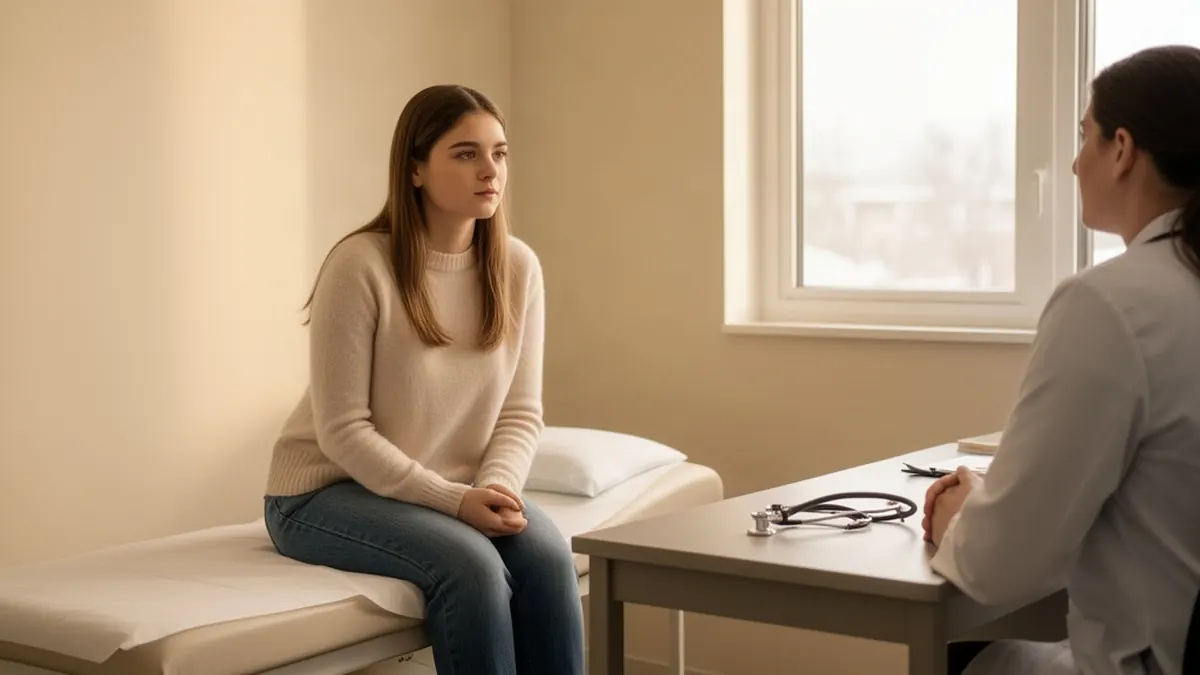
You noticed some pelvic pain a few days ago and figured it would pass. Then the pain got sharper, you spiked a low fever, and something just felt off. Sound familiar? Pelvic inflammatory disease — an infection of the uterus, fallopian tubes, and sometimes the ovaries — often starts exactly like that: vague, easy to brush off, then suddenly not. The frustrating part is that PID can cause real, permanent damage to your reproductive organs if it's undertreated or caught late. The good news is that when it's diagnosed promptly, it responds well to antibiotics. But treatment is almost never just one pill. It's a combination approach, and understanding it helps you follow through — which makes all the difference.
Why PID Almost Always Needs More Than One Antibiotic
PID is rarely caused by a single germ. It typically involves a mix of bacteria — sometimes sexually transmitted organisms like Chlamydia trachomatis or Neisseria gonorrhoeae, but almost always anaerobic bacteria from the vaginal flora too. That polymicrobial nature is why your doctor reaches for a combination regimen rather than one drug.
Think of it like a weed problem in a garden. Pulling one type of weed doesn't help if three other species are spreading underneath. The CDC treatment guidelines — which most US clinicians follow closely — recommend covering all those bacterial targets at once. That's why you'll often walk out of the clinic with two or even three prescriptions.
Don't let that surprise or worry you. A multi-drug regimen isn't a sign things are serious; it's just how PID treatment is designed. Finishing every course completely is what actually clears the infection.
Doxycycline: The Workhorse of Outpatient PID Treatment
Doxycycline is a tetracycline-class antibiotic and it's been a cornerstone of PID treatment for decades. It targets the organisms most commonly driving the infection — particularly Chlamydia, which is implicated in a large share of PID cases. The standard outpatient course is 100 mg twice a day, typically for 14 days. Yes, two weeks. That duration matters.
The most common complaint people have about doxycycline is stomach upset, especially nausea. Taking it with a full glass of water and a small amount of food — not dairy, which can reduce absorption — helps a lot. Sit upright for at least 30 minutes after each dose to prevent esophageal irritation. It sounds like a small thing but it genuinely prevents one of the more uncomfortable side effects.
Doxycycline also makes your skin more sensitive to sunlight. If you're on it during summer, sunscreen isn't optional. Even 20 minutes outside can give you a burn that would normally take two hours. Plan accordingly.
- Standard dose: 100 mg orally twice daily for 14 days
- Take with food (avoid dairy within 2 hours of a dose)
- Sit upright for 30 minutes after taking it
- Use sunscreen — photosensitivity is real
- Do not stop early even if you feel better by day 5
Metronidazole: Covering the Anaerobic Bacteria Doxycycline Misses
Metronidazole fills a critical gap in PID treatment. Doxycycline handles chlamydia beautifully, but anaerobic bacteria — the kind that thrive without oxygen and are common in the vaginal environment — are largely outside its reach. Metronidazole nails those organisms. The two drugs together create much broader coverage.
The typical course alongside doxycycline is 500 mg twice daily for 14 days. The biggest practical issue? Metronidazole and alcohol do not get along. Combining them can cause flushing, rapid heart rate, nausea, and vomiting — it's called a disulfiram-like reaction, and it's unpleasant enough that you really do want to avoid any alcohol for the entire course, plus 48 hours after your last dose.
Some people experience a metallic taste in their mouth while taking metronidazole. It's annoying, not dangerous. Chewing sugarless gum or rinsing with a mild mouthwash can help take the edge off. If you develop significant GI upset, talk to your pharmacist — timing the dose with a small meal often helps without reducing effectiveness.
- Standard dose: 500 mg orally twice daily for 14 days
- Zero alcohol during treatment and 48 hours after
- Metallic taste is common — not a reason to stop
- Take with food if GI upset is an issue
- Tell your doctor if you're on blood thinners (it interacts with warfarin)
When Outpatient Antibiotics Aren't Enough
Most mild-to-moderate PID is treated at home with oral antibiotics. But some situations require IV antibiotics in a hospital. If you have a high fever (above 101°F), are pregnant, can't keep oral medications down, or have a tubo-ovarian abscess — a walled-off pocket of infection — outpatient treatment won't cut it. Get evaluated in an ER.
Tubo-ovarian abscesses in particular need imaging, usually an ultrasound, and often IV metronidazole, cefoxitin, or other agents depending on what the team finds. Some abscesses eventually need drainage. This isn't common, but it's why severe or rapidly worsening symptoms deserve same-day medical attention, not a wait-and-see approach.
A word about sexual partners: if your PID was triggered by a sexually transmitted infection, your partner needs to be evaluated and treated too — even if they have no symptoms at all. Otherwise you risk reinfection, and retreating PID repeatedly raises your risk of complications like chronic pelvic pain and scarring.
What 'Beyond Antibiotics' Actually Means During Recovery
The antibiotic does the heavy lifting, but how you take care of yourself during those 14 days genuinely affects how completely you recover. Pelvic rest — meaning no sex — for the entire treatment course isn't just a suggestion. Intercourse during active PID treatment can worsen inflammation and slow healing. Two weeks feels long, but it's far shorter than dealing with chronic pelvic pain from inadequately treated infection.
Pain management matters too. Over-the-counter ibuprofen (if you can tolerate NSAIDs) reduces both pain and the inflammatory response in the pelvic tissues. 400–600 mg every 6–8 hours with food is a reasonable starting point for an adult with no contraindications, though check with your doctor if you have kidney issues or stomach ulcer history.
Rest more than you think you need to. Your immune system is doing serious work. Skimping on sleep, pushing through exhausting work shifts, or skipping meals all slow that process. It's not laziness — it's biology. Give your body the raw materials it needs.
- No sex until you've completed the full antibiotic course
- Ibuprofen can ease pain and pelvic inflammation
- Prioritize sleep — immune function depends on it
- Stay hydrated, especially if you have a fever
- Follow up with your provider at the end of treatment
The Follow-Up Visit Matters More Than People Realize
A lot of people feel better by day 4 or 5 and mentally check out of treatment. Don't. And definitely go to that follow-up appointment, usually scheduled 72 hours into outpatient treatment and then again at the end of the course. Your doctor is checking whether the infection is actually responding — if symptoms aren't improving significantly within 3 days, you may need to switch to IV antibiotics.
After you've cleared the infection, a conversation about STI screening is worth having. A single PID episode raises your long-term risk of ectopic pregnancy and infertility — especially with repeated infections. Knowing your status, using condoms consistently, and getting screened regularly are all practical steps that reduce future risk. None of that is judgment; it's just useful information.
If you're on hormonal birth control, it's worth asking your provider about any interactions with your antibiotic regimen, though doxycycline's effect on hormonal contraception effectiveness is considered minimal by current evidence. Still, a quick conversation never hurts.
Red Flags That Mean You Need to Stop Reading and Call Someone
Most PID treated promptly does well. But there are warning signs that mean you need care today — not tomorrow. A fever above 101°F that's climbing, severe lower abdominal pain that makes it hard to walk or stand straight, vomiting that prevents you from keeping your antibiotics down, or sudden sharp pain that feels different from your baseline — any of these warrant an ER visit.
If you've been on antibiotics for 3 days and the pain and fever aren't improving at all, call your provider. That's not failure — it's useful clinical information. Sometimes the bacteria are resistant, sometimes an abscess has formed, sometimes the diagnosis needs to be revisited. A follow-up call is always appropriate.
Trust yourself. You know how you normally feel, and you'll know when something seems off. PID complications are much easier to manage when they're caught early. Don't talk yourself out of seeking care because you don't want to be 'that person' who overreacts. Checking in is always the right move.
Medicines mentioned in this article
- Doxycycline Capsulefrom $26.99
- Doxylin 100 mg Capsulefrom $65.99
- Emdox 100 mg Capsulefrom $39.99
- Metrogyl 200 mg Tabletfrom $21.99
- Aldezol 200 mg Tabletfrom $37.99
- Aristogyl 400 mg Tabletfrom $29.99
Common questions
Can I treat PID with just one antibiotic?
No — PID is caused by multiple types of bacteria, so one drug rarely covers everything. Most treatment regimens combine doxycycline with metronidazole (and sometimes a third agent) to cover both chlamydial and anaerobic organisms. Skipping part of the regimen means leaving some bacteria behind to cause ongoing damage.
How long does it take to feel better on PID antibiotics?
Most people notice meaningful improvement in pain and fever within 72 hours of starting treatment. If you don't, contact your provider — that's the point at which a reassessment may be needed. Feeling better doesn't mean cured, though; always finish the full 14-day course.
Can PID come back after treatment?
Yes, especially if an untreated sexual partner re-exposes you to the same bacteria, or if the original course wasn't completed. Each episode increases the risk of complications like scarring in the fallopian tubes. Consistent condom use and regular STI screening are the most practical ways to reduce that risk going forward.
Is it safe to take doxycycline and metronidazole together?
Yes — this combination is well-studied and widely used for PID. They work on different bacterial targets and don't have a problematic interaction with each other. Just remember the main rules: no alcohol with metronidazole, take doxycycline upright with water, and don't skip doses.