
Signs of PID in Women: Symptoms You Should Never Ignore
Published October 24, 2026
Medically reviewed by Chep Meds USA Pharmacy Team
Content checked by our licensed pharmacists for accuracy against standard prescribing information. Last reviewed October 2026. Our editorial policy
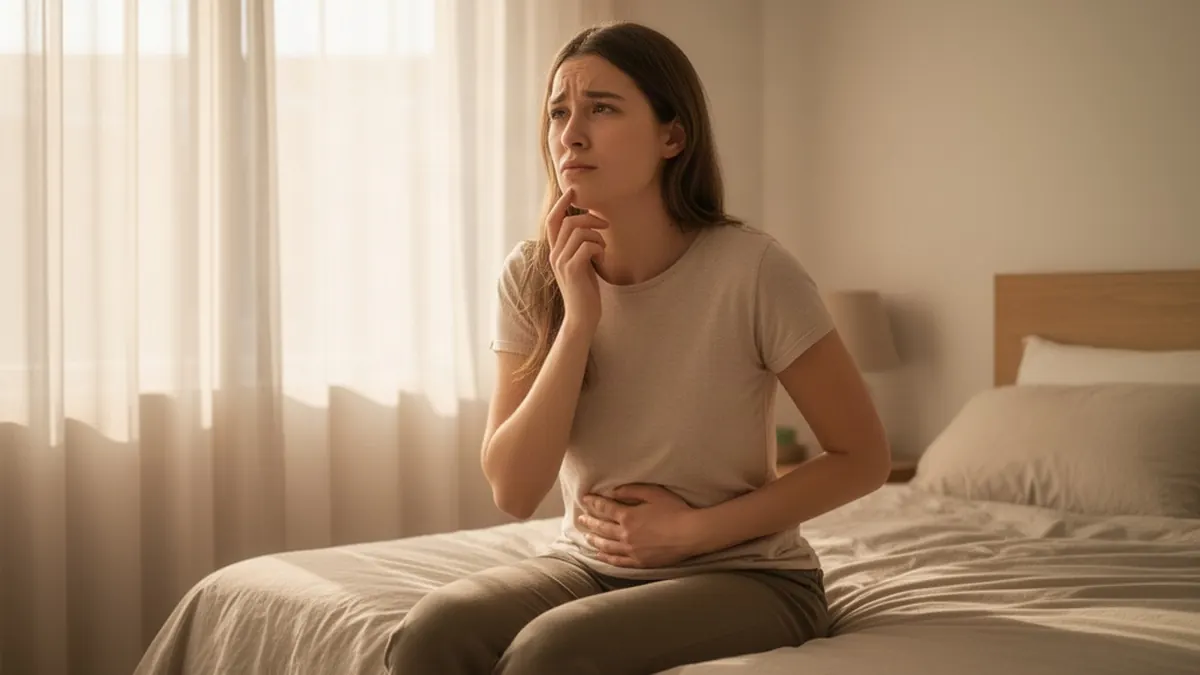
You've been feeling a low, nagging pressure in your lower abdomen for a few days. Maybe you figured it was your period coming, or you ate something off, or you slept in a weird position. So you wait. A week later you've got a fever, sex hurts, and something just feels wrong in a way you can't quite explain. That scenario plays out more often than most people realize, and it's exactly how pelvic inflammatory disease—PID—quietly does its damage. PID is an infection of the upper reproductive organs: the uterus, fallopian tubes, and sometimes the ovaries. It's largely caused by bacteria, often the same ones behind chlamydia and gonorrhea, and it's treatable. The problem is that by the time many women seek help, the infection has had time to cause scarring that can affect fertility for years.
The Symptom That Trips Everyone Up First
Pelvic pain is the hallmark of PID, but here's the catch: it exists on a huge spectrum. For some women it's a sharp, unmistakable stab in the lower abdomen. For others it's barely a 3 out of 10—more of a persistent heaviness they keep writing off. Studies suggest that somewhere between 30 and 40 percent of women with PID have what researchers call 'mild or atypical' symptoms. That's not a small number.
The location matters too. The pain is usually bilateral—meaning both sides of your lower abdomen, below your belly button. If you press on your lower belly and it's noticeably tender, that's worth paying attention to. Pain that gets worse when you move quickly, climb stairs, or have sex is a red flag. Don't wait for it to become unbearable before you call your doctor.
One practical clue: if the discomfort showed up within a few weeks of unprotected sex or a new partner, or shortly after an IUD insertion or any intrauterine procedure, the timing is meaningful. Tell your provider exactly when it started and what was happening in your life around that time.
- Dull or sharp ache in the lower abdomen, usually both sides
- Pain that worsens with movement or physical activity
- Tenderness when you press on your lower belly
- Discomfort that started after a gynecological procedure or new sexual contact
Vaginal Discharge and Odor: Reading the Changes
Normal discharge varies a lot from person to person, but PID often changes what you're used to. You might notice more discharge than usual, a different consistency—thicker or more watery—or an odor you'd describe as unpleasant or 'off.' It's not always dramatic. Sometimes it's subtle enough that you second-guess yourself.
Yellow or green discharge is more concerning than clear or white. That color shift typically signals a bacterial infection rather than a yeast overgrowth. If you're seeing that alongside any pelvic discomfort, don't sit on it. A simple swab at your provider's office or an urgent care clinic can tell a lot very quickly.
It's also worth knowing that abnormal discharge alone—without pain—can be the only outward sign in early PID. That's another reason routine STI screening matters, especially if you're under 25 or have had multiple partners. The CDC actually recommends annual chlamydia and gonorrhea testing for sexually active women under 25 for exactly this reason.
Fever, Chills, and Feeling Generally Awful
A fever above 101°F paired with pelvic pain is one of the combinations that makes clinicians take PID very seriously. You might also have chills, feel wiped out in a way that seems out of proportion to anything else going on, or have a general sense of being unwell that's hard to articulate. These systemic symptoms mean the infection isn't just sitting quietly—it's getting your whole immune system involved.
Not everyone with PID runs a fever, though. Plenty of confirmed cases show up in the clinic with a normal temperature. So the absence of fever doesn't mean you're in the clear. Think of fever as a 'definitely go now' sign rather than 'no fever means no problem.'
- Temperature above 101°F alongside pelvic pain
- Chills or sweating that feels off
- Unusual fatigue or a flu-like feeling without respiratory symptoms
- Nausea or vomiting in more severe cases
Pain During Sex or Urination
Painful sex—especially pain that's deep rather than at the entrance—is one of the symptoms women most commonly downplay or feel embarrassed to bring up. Don't be. It's clinically useful information. Deep pelvic pain during intercourse is called dyspareunia, and when it's new or getting worse, it warrants an explanation.
Burning or pain when you urinate can also show up with PID, which sometimes gets confused for a UTI. The two can even coexist. If you've treated what you thought was a bladder infection and you're still uncomfortable—or the pelvic heaviness is still there—go back and mention that. A UTI and PID are very different problems requiring different approaches.
Irregular bleeding is another symptom that fits into this cluster. Spotting between periods, bleeding after sex, or your period suddenly being heavier or more painful than normal are all reasons to check in with your gynecologist or primary care provider. Any one of these alone might be explainable. Several of them together? That's your body asking you to get checked.
Why Timing Your Care Matters So Much
PID is an infection. That means the longer bacteria have to spread and cause inflammation, the more damage can accumulate—particularly to the delicate lining of the fallopian tubes. Tubal scarring is the main reason PID increases the risk of ectopic pregnancy and can affect fertility. We're not talking about a guaranteed outcome, but the risk is real and directly tied to how quickly treatment starts.
The good news: when you catch it early and treat it properly, outcomes are generally very good. Most mild to moderate PID is treated on an outpatient basis with antibiotics. You don't automatically need hospitalization. But you do need to actually start treatment. Waiting a week hoping it resolves on its own is not a strategy that works here.
If you go to urgent care or an ER, they'll likely do a pelvic exam, cervical swabs, possibly a urine test, and sometimes an ultrasound to rule out an abscess. Based on clinical findings, a provider may start antibiotics before all the lab results are even back—because with PID, earlier treatment wins.
How PID Is Actually Treated: The Antibiotic Picture
PID treatment almost always involves a combination of antibiotics because the infection typically involves more than one type of bacteria. The CDC guidelines recommend combinations that cover chlamydia, gonorrhea, and anaerobic bacteria all at once. Doxycycline is a core part of most outpatient regimens—it's a tetracycline antibiotic that works well against chlamydia and a range of other organisms. You'll typically take it twice a day for 14 days. Take it with a full glass of water and stay upright for at least 30 minutes afterward; it can irritate the esophagus if it just sits there.
Ciprofloxacin is a fluoroquinolone antibiotic that has historically been used in PID treatment as well, though its role has narrowed in recent years because gonorrhea has developed significant resistance to fluoroquinolones in many parts of the US. That said, it's still used in certain clinical scenarios where the suspected bacteria are likely susceptible, often in combination with other agents. Your provider will decide based on your local resistance patterns and your specific situation.
One thing that's non-negotiable: finish the full course. I know it's tempting to stop once you feel better at day 5 or 6. Don't. Incomplete antibiotic treatment leaves surviving bacteria behind and raises your risk of recurrence or resistance. Also, any sexual partners from the past 60 days should be tested and treated—otherwise reinfection is likely, and you'll be right back where you started.
- Doxycycline is a mainstay of outpatient PID treatment (usually 14 days)
- Ciprofloxacin may be used in specific cases but resistance patterns matter
- Always complete the full antibiotic course
- Partners need testing and treatment too
- Talk to your provider before starting any antibiotic—self-treating isn't appropriate here
When You Should Head to the ER Instead of Waiting for an Appointment
Most PID is handled in an outpatient setting. But some situations call for the emergency room right away. If you have severe pain that's making it hard to stand or walk, a fever above 103°F, vomiting that prevents you from keeping anything down, or you're pregnant—go now. These can signal a tubo-ovarian abscess or another complication that needs IV antibiotics and possibly surgery.
If you've already been diagnosed with PID and started treatment but you're getting worse after 72 hours instead of better, that's also a reason to call your provider or go back in. Treatment failure happens and it needs to be reassessed quickly. Don't assume you just need more time.
Trust your gut on this one. You know your body. If something feels seriously wrong, act on that. PID is one of those conditions where being slightly overcautious beats the alternative by a wide margin.
Medicines mentioned in this article
- Doxycycline Capsulefrom $26.99
- Doxylin 100 mg Capsulefrom $65.99
- Emdox 100 mg Capsulefrom $39.99
- Ciplox 750 mg Tabletfrom $21.99
- Ciplox Ointment 5 gfrom $1.99
- Zoxan D 5 mL Eye Dropfrom $21.99
Common questions
Can you have PID without any symptoms at all?
Yes, and it happens more than people expect. Some women are diagnosed incidentally—during a fertility workup, for example—with evidence of past PID they never knew they had. This is why routine STI screening is so valuable, since catching the underlying infections early can prevent PID from developing in the first place.
How long does it take to feel better after starting antibiotics for PID?
Most women start feeling noticeably better within 3 to 5 days of starting treatment. If you're not improving after 72 hours, contact your provider—it may mean the antibiotic choice needs to be reconsidered or you need a higher level of care. Either way, always finish the full prescribed course even if you feel fine.
Can PID come back after treatment?
It can, especially if a partner wasn't treated, the full antibiotic course wasn't completed, or you're re-exposed to an untreated STI. Each episode of PID carries a risk of additional scarring, so preventing recurrence really matters. Consistent condom use and regular STI testing are the most practical protective steps.
Do I need a prescription for PID antibiotics like doxycycline?
Yes, doxycycline and ciprofloxacin both require a prescription in the US. PID also really needs a proper diagnosis first—a clinical exam and often swabs or lab tests—before any antibiotic is chosen. Self-treating with leftover antibiotics isn't safe here, because the wrong drug or the wrong duration can make things worse rather than better.