
Sexual Performance Anxiety: What's Really Going On and What You Can Do About It
Published October 24, 2026
Medically reviewed by Chep Meds USA Pharmacy Team
Content checked by our licensed pharmacists for accuracy against standard prescribing information. Last reviewed October 2026. Our editorial policy
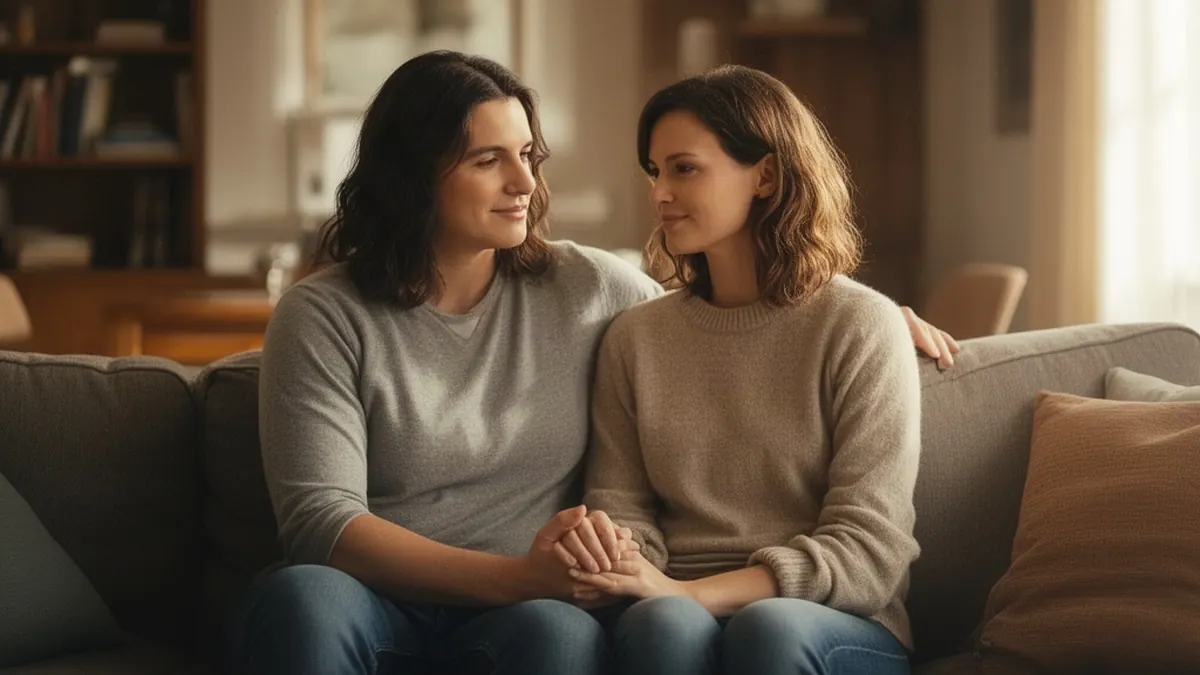
You're in the moment with someone you care about, and suddenly your brain hijacks everything. Your heart's racing, but not in a good way. Your body isn't cooperating, and now you're so deep in your own head that the moment is basically over before it started. Sound familiar? You're not broken, and you're definitely not alone. Sexual performance anxiety is one of the most common — and least talked about — issues I see referenced in clinical practice. It cuts across all ages, all genders, and all relationship types. And here's the thing: the anxiety itself often creates the very problem you were worried about in the first place. That loop is what makes this so frustrating to deal with.
What Actually Happens in Your Body When Anxiety Takes Over
Your nervous system has two main modes. There's the parasympathetic side — calm, relaxed, 'rest and digest.' Sexual arousal and response depend on that mode being active. Then there's the sympathetic system — fight or flight. Stress hormones like adrenaline flood in, blood vessels tighten, and your body is preparing to either run from a bear or fight one. Not exactly ideal conditions for intimacy.
When you're anxious about sex, your brain triggers that sympathetic response. For men, that can mean trouble getting or keeping an erection — not because of any physical problem with blood flow at baseline, but because anxiety is actively constricting the blood vessels needed for it. For women, anxiety can reduce lubrication, dampen arousal, or make it hard to reach orgasm. Same mechanism, different anatomy.
Here's the cruel irony: once you experience one anxious episode, your brain files it away. Next time the situation comes up, it flags the memory and cranks up the alert level early. That's how a single bad night can turn into a months-long pattern.
The Causes Run Deeper Than You Might Expect
Sometimes the trigger is obvious — a new partner, coming back to sex after a dry spell, or a past experience that went badly. But a lot of the time, performance anxiety is sitting on top of something less visible. Body image issues are huge. If you're spending mental energy worrying about how you look, you've got less bandwidth for actually being present. That applies whether you're 25 or 55.
Relationship tension bleeds into the bedroom constantly. If things are strained between you and your partner — even over something completely unrelated to sex, like finances or parenting stress — that unresolved emotional friction shows up physically. Sex doesn't happen in a vacuum sealed off from the rest of your relationship.
Cultural messaging matters more than people admit. Unrealistic portrayals of sex in media set expectations nobody can consistently meet. If you've absorbed the idea that good sex should always be spontaneous, effortless, and impressive, you're setting yourself up for failure the moment anything feels even slightly awkward. And sex is often awkward. That's normal.
- New or unfamiliar partner
- Previous negative sexual experience
- Body image concerns
- Relationship conflict outside the bedroom
- Unrealistic expectations from media
- Underlying depression or generalized anxiety
- Hormonal changes or medical conditions
When It's Anxiety vs. When It's Something Physical
This distinction matters a lot, and it's worth talking to your doctor about it — seriously. A classic sign that something is primarily anxiety-driven rather than physical? Morning erections are still present, or arousal happens fine in low-pressure situations like solo activity, but not with a partner. That pattern points toward a psychological component rather than a vascular or hormonal issue.
That said, physical and psychological causes often overlap and feed each other. Someone might have mild low testosterone that makes arousal harder, then develops anxiety around that, which makes things worse. Now you've got both issues compounding each other. A doctor can run a simple blood panel — testosterone, thyroid, blood glucose — that rules out the most common physical contributors.
Certain medications also affect sexual function, and this gets overlooked constantly. SSRIs (antidepressants like sertraline or fluoxetine), some blood pressure medications like beta-blockers, and even certain antihistamines can dampen libido or affect response. If you started a new medication and noticed a change, bring it up with your pharmacist or prescriber. Don't just stop the medication — but do have the conversation.
Practical Approaches That Actually Work
Cognitive behavioral therapy, or CBT, has the strongest evidence behind it for sexual performance anxiety. A therapist — ideally one who specializes in sexual health or at minimum has experience with anxiety disorders — can help you identify the specific thought patterns driving the cycle. You learn to catch thoughts like 'I'm going to fail again' and reframe them before they spiral. It takes a few weeks of consistent work, but it genuinely moves the needle.
Sensate focus exercises are something sex therapists have been using for decades, and they work by taking the pressure off performance entirely. The idea is that you and a partner engage in touch that isn't goal-oriented — there's no expectation of sex at the end. You're just learning to be present in physical sensation without the scoreboard running in your head. It sounds deceptively simple, but it interrupts the anxiety loop effectively.
Mindfulness isn't just a buzzword here — there's actual clinical data supporting its use for sexual dysfunction tied to anxiety. Even 10 minutes of daily mindfulness practice trains your brain to notice when it's catastrophizing and return attention to the present moment. Apps like Headspace or Insight Timer can get you started without any cost.
- CBT with a licensed therapist
- Sensate focus with a partner
- Daily mindfulness or meditation practice
- Open communication with your partner before and after sex
- Reducing alcohol — it lowers inhibitions short-term but blunts response
- Regular aerobic exercise, which improves both mood and circulation
- Sleep — chronic sleep deprivation tanks testosterone and worsens anxiety
Talking to Your Partner Without Making It Worse
Here's something most people avoid doing: actually talking about it. I get why. Bringing it up feels risky — like you're confirming something is wrong with you. But staying silent almost always makes things worse. Your partner is probably noticing something's off anyway, and without information, they often fill the gap with the worst possible explanation: that you're not attracted to them.
You don't need a formal sit-down conversation with a PowerPoint presentation. Just a low-stakes, non-bedroom moment where you say something like, 'Hey, I've been in my head lately when we're together. It's not about you — I just get anxious and I'm working on it.' That's enough to start with. Most partners, once they understand what's happening, become part of the solution rather than an unwitting source of pressure.
Avoid turning every sexual encounter into a debrief session. That can create its own pressure. The goal is enough transparency that you both feel like you're on the same team — not a constant performance review.
When to Bring in Professional Help
If this has been going on for more than a few months and it's affecting your relationship or your self-esteem, please see someone. Start with your primary care doctor to rule out physical causes. From there, a referral to a sex therapist or a mental health professional who handles sexual health concerns is the most efficient path forward.
Couples therapy can also help when the anxiety is tangled up with relationship dynamics — which it often is. If communication in the relationship is generally difficult, that's likely bleeding into your sexual connection too. A therapist who sees both of you can work on both layers at once.
You might also ask your doctor specifically about whether your anxiety is part of a broader anxiety disorder. If you're an anxious person in general — worried about work, health, money — treating the generalized anxiety can have significant downstream effects on sexual performance anxiety too.
Common questions
Is sexual performance anxiety more common in men or women?
It affects both pretty significantly. Research suggests somewhere between 9% and 25% of men experience it, and similar numbers appear in studies of women, though women may be less likely to label it as 'performance anxiety.' The way it shows up is different depending on anatomy, but the underlying anxiety mechanism is the same.
Can sexual performance anxiety go away on its own?
Sometimes, especially if it's tied to a specific stressor that resolves — like a new partner becoming more familiar, or a stressful life event passing. But for a lot of people, it doesn't self-correct without some intentional work, because the anxiety-avoidance loop keeps reinforcing itself. The sooner you address it, the easier it tends to be to break the cycle.
Does alcohol help with performance anxiety?
Short answer: no, despite what it might feel like. Alcohol reduces inhibitions temporarily, which can feel like relief, but it directly impairs arousal and physical response — especially erections. Regular reliance on alcohol as a crutch for sexual anxiety tends to make the underlying anxiety worse over time, not better.
Should I see a urologist, a therapist, or my regular doctor first?
Your primary care doctor is the best first stop — they can do bloodwork to check for physical contributors like hormone levels or blood sugar issues, review your medications, and then point you in the right direction. If everything checks out physically, a therapist with sexual health experience is your most effective next step.