
Glibenclamide
Glybovin 5 mg Tablet★★★★★5.0 (1)
Starting at
$3.99
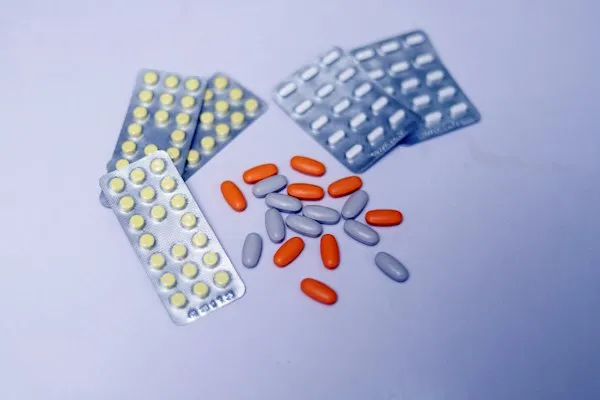
Glyboral 5 mg Tablet is a prescription diabetes medicine that contains 5 mg of glibenclamide in each tablet. It belongs to the sulfonylurea class, which helps lower blood sugar in adults with type 2 diabetes.
Prescription required — you can upload it at checkout or later
Choose strength (2 available)
| Pack Size | Qty | Price | Add to cart | Unit Price |
|---|---|---|---|---|
| 100 tablet/s | $9.99 | $0.10 | ||
| 200 tablet/s | $19.99 | $0.10 | ||
| 300 tablet/s | $25.99 | $0.09 |
Save more with our biggest pack
Free shipping on orders of $199 or more
Glyboral 5 mg Tablet is a prescription diabetes medicine that contains 5 mg of glibenclamide in each tablet. It belongs to the sulfonylurea class, which helps lower blood sugar in adults with type 2 diabetes. Glyboral 5 mg Tablet is used along with diet and exercise to improve blood glucose control when lifestyle measures alone are not enough. This strength is a full-strength tablet and should be used only when a clinician has decided that 5 mg is appropriate.
How it works: Glibenclamide helps the pancreas release more insulin, which lowers the amount of sugar circulating in the blood. In tablet form, Glyboral 5 mg Tablet is swallowed and absorbed through the digestive tract to provide this effect.
Compared with Glyboral 2.5 mg Tablet, Glyboral 5 mg Tablet delivers twice the amount of glibenclamide in each tablet, so it may be chosen when a lower strength is not enough or when a doctor wants a larger dose adjustment. Because it is a higher-strength tablet, the blood sugar-lowering effect may be stronger and the risk of low blood sugar can be greater if it is not matched carefully to meals and other diabetes medicines.
Each Glyboral 5 mg Tablet provides 5 mg of glibenclamide. The usual number of times per day and the maximum daily dose depend on your blood sugar readings, other medicines, and your doctor’s plan; do not take more than prescribed. Because this is the 5 mg strength, it is often used as a dose step-up rather than a starting tablet for everyone.
Do not change your dose or stop the medicine without speaking to your doctor.
Common side effects of Glibenclamide may include:
Get medical help right away if you notice:
Store Glyboral 5 mg Tablet at room temperature in its original strip/box, away from moisture and heat, and keep it out of reach of children.
Glyboral 5 mg is used to help lower blood sugar in adults with type 2 diabetes. It is usually taken together with diet and exercise, and sometimes with other diabetes medicines if your doctor prescribes them.
Glyboral 5 mg Tablet contains twice as much glibenclamide per tablet as Glyboral 2.5 mg Tablet. Because it is the higher strength, your doctor may choose it when a lower dose is not enough or when adjusting treatment more closely.
Yes, hypoglycemia is one of the most important risks with Glyboral 5 mg Tablet, and the risk may be higher with this 5 mg strength than with lower doses. Eat regular meals, watch for symptoms like shakiness or sweating, and follow your doctor’s dose instructions carefully.
No written reviews yet.
Same as Glibenclamide
Glibenclamide
Glybovin 5 mg TabletStarting at
$3.99
Glibenclamide
Daonil 5 mg TabletStarting at
$2.99
Glibenclamide
Glunil 2.5 mg TabletStarting at
$98.99
Glibenclamide
Glucosafe 2.5 mg TabletStarting at
$58.99
Glibenclamide
Glucosafe 5 mg TabletStarting at
$11.99
Glibenclamide
Glinil 5 mg TabletStarting at
$22.99
Glibenclamide
Afdiex 5 mg TabletStarting at
$48.99
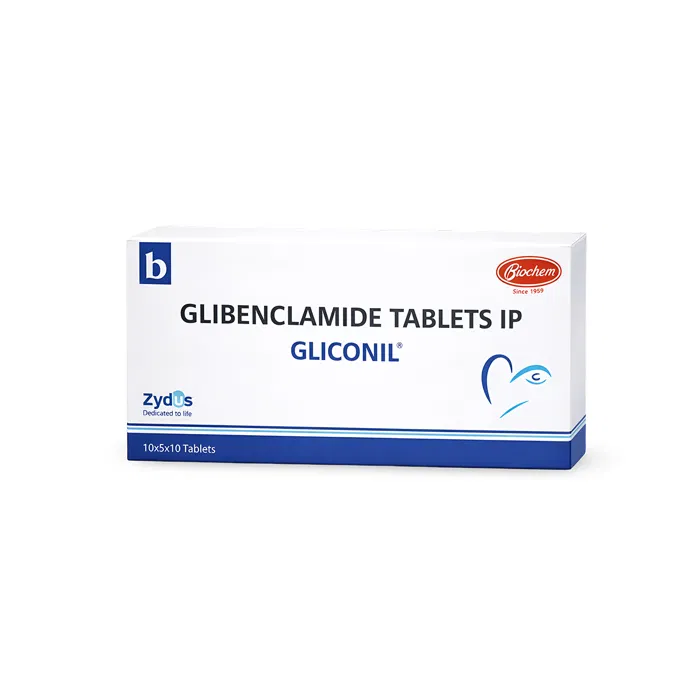
Glibenclamide
Gliconil 5 mg TabletStarting at
$9.99