
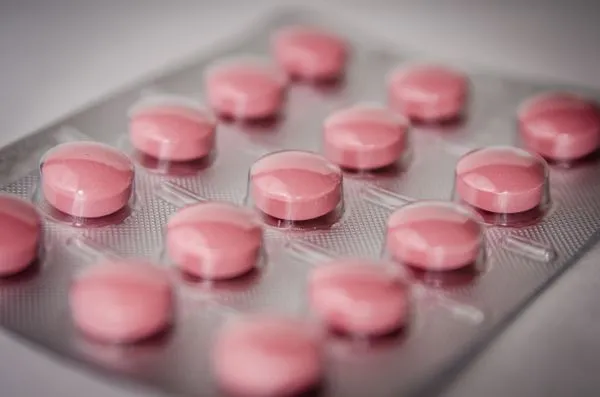
Glimepiride
Glimith 4 mg Tablet★★★★★0.0 (0)
Starting at
$60.99
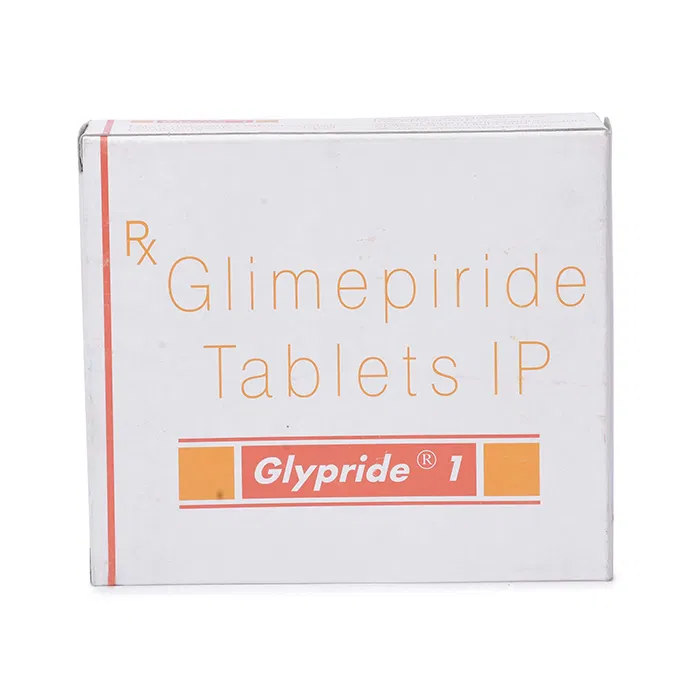
Glypride 1 mg Tablet is a prescription diabetes medicine that contains 1 mg of glimepiride in each tablet. It belongs to the sulfonylurea class and is used with diet and exercise to help lower blood sugar in adults with type 2 diabetes.
Prescription required — you can upload it at checkout or later
Choose strength (4 available)
| Pack Size | Qty | Price | Add to cart | Unit Price |
|---|---|---|---|---|
| 30 tablet/s | $8.99 | $0.30 | ||
| 60 tablet/s | $16.99 | $0.28 | ||
| 90 tablet/s | $23.99 | $0.27 |
Save more with our biggest pack
Free shipping on orders of $199 or more
Glypride 1 mg Tablet is a prescription diabetes medicine that contains 1 mg of glimepiride in each tablet. It belongs to the sulfonylurea class and is used with diet and exercise to help lower blood sugar in adults with type 2 diabetes. Glypride 1 mg Tablet is not insulin, and it is not used to treat type 1 diabetes or diabetic ketoacidosis.
How it works: Glimepiride helps the pancreas release more insulin when blood sugar is high, which can help bring glucose levels down. In tablet form, Glypride 1 mg Tablet is taken by mouth and works throughout the day to support better blood sugar control.
Glypride 1 mg Tablet is the lowest strength in this brand range, which makes it a common choice when a doctor wants to start with a smaller amount and adjust carefully. Because the tablet contains only 1 mg of glimepiride, it may be better suited for people who need a gentle starting dose or who are more sensitive to blood sugar lowering. The 1 mg strength can also be easier for a clinician to titrate before moving to higher Glypride strengths if needed.
Each Glypride 1 mg Tablet provides 1 mg of glimepiride. Depending on your blood sugar response, your doctor may prescribe it once daily with breakfast or the first main meal, and the dose may be adjusted over time. Do not exceed the amount your doctor prescribes; the maximum daily dose is determined by your prescriber and your blood sugar results.
Do not change your dose or stop the medicine without speaking to your doctor.
Common side effects of Glimepiride may include:
Get medical help right away if you notice:
Store Glypride 1 mg Tablet in its original strip/box at room temperature, away from moisture, heat, and direct light.
Glypride 1 mg Tablet is used to help lower blood sugar in adults with type 2 diabetes. It is meant to be used along with diet, exercise, and regular blood sugar monitoring.
Take Glypride 1 mg Tablet by mouth, usually once daily with breakfast or your first main meal, exactly as your doctor prescribes. Swallow it with water and do not change your dose without medical advice.
Glypride 1 mg Tablet is the lowest strength in this brand range and is often chosen when a doctor wants a careful, lower-dose start. Your prescriber decides whether this strength is right for you based on your blood sugar and health status.
Yes, Glypride 1 mg Tablet can cause hypoglycemia, especially if you skip meals, exercise harder than usual, or drink alcohol. Know the signs of low blood sugar, such as sweating, shakiness, hunger, or confusion, and get help if symptoms are severe.
No written reviews yet.
Same as Glimepiride
Glimepiride
Glimith 4 mg TabletStarting at
$60.99
Glimepiride
Glimda 1 mg TabletStarting at
$21.99
Glimepiride
Glador 4 mg TabletStarting at
$58.99
Glimepiride
Glifix 2 mg TabletStarting at
$11.99
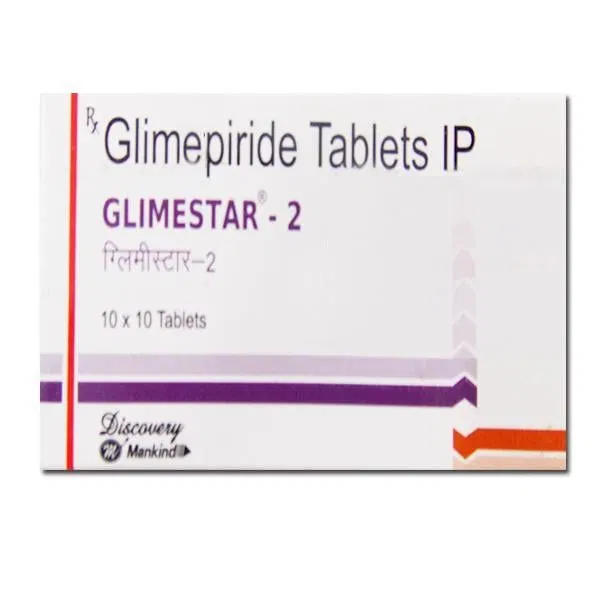
Glimepiride
Glimestar 2 TabletStarting at
$40.99
Glimepiride
Azulix 4 TabletStarting at
$63.99
Glimepiride
Glifix 1 mg TabletStarting at
$5.99
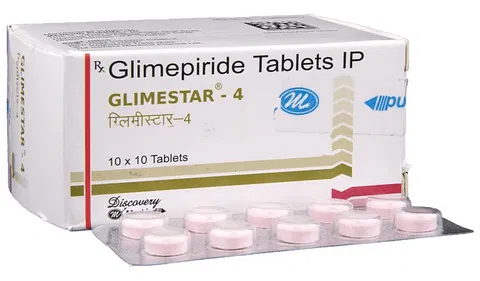
Glimepiride
Glimestar 4 TabletStarting at
$96.99