
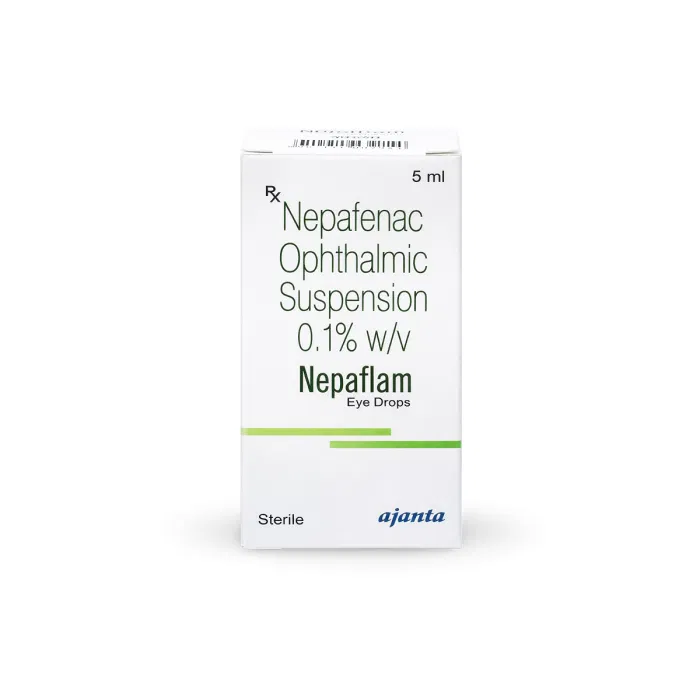
Nepafenac
Nepaflam 5 mL Eye Drop★★★★★0.0 (0)
Starting at
$52.99
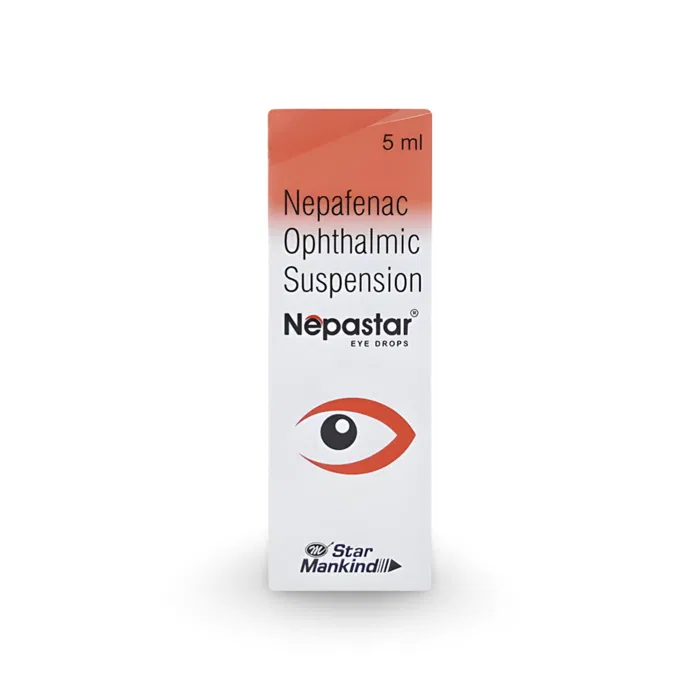
Nepastar Eye Drop is a prescription eye medicine containing nepafenac in the strength labeled on each bottle, supplied by Mankind Pharma, India. Nepafenac is a nonsteroidal anti-inflammatory drug (NSAID) used in the eye to reduce pain and swelling.
Prescription required — you can upload it at checkout or later
| Pack Size | Qty | Price | Add to cart | Unit Price |
|---|---|---|---|---|
| 1 bottle | $45.99 | $45.99 |
Free shipping on orders of $199 or more
Nepastar Eye Drop is a prescription eye medicine containing nepafenac in the strength labeled on each bottle, supplied by Mankind Pharma, India. Nepafenac is a nonsteroidal anti-inflammatory drug (NSAID) used in the eye to reduce pain and swelling. Nepastar Eye Drop is commonly used around eye surgery, especially cataract surgery, to help control inflammation and post-operative eye pain. It is for use only in the eye and should be used exactly as directed by an eye doctor.
How it works: Nepafenac is converted inside the eye to an active anti-inflammatory medicine that blocks prostaglandin production. By lowering these chemicals, Nepastar Eye Drop helps reduce eye pain, redness, and swelling after eye procedures or other inflammatory eye conditions.
Because Nepastar Eye Drop is the as-labeled strength and there are no other strengths or forms listed for this brand here, it is intended for patients whose doctor has chosen this specific bottle strength for their eye condition. Eye drops with nepafenac are often selected to work directly at the eye surface with less body-wide exposure than oral NSAIDs, while still helping with inflammation and pain.
Nepastar Eye Drop contains nepafenac in the exact strength printed on the bottle, and the dose is measured by drops rather than by tablets or capsules. For eye-surgery use, doctors commonly prescribe it once daily or as directed, but the exact frequency and duration depend on the condition being treated, the surgery, and the patient’s risk factors. There is no universal maximum daily dose for this product because the prescribing ophthalmologist decides the schedule for this specific eye drop strength.
Do not change your dose or stop the medicine without speaking to your doctor.
Common side effects of Nepafenac may include:
Get medical help right away if you notice:
Store Nepastar Eye Drop tightly closed at room temperature, away from heat and moisture, and keep it out of reach of children.
Nepastar Eye Drop is a nepafenac eye drop used to reduce pain and inflammation in the eye, most often after cataract surgery. Your eye doctor may also prescribe it for other eye-inflammatory conditions if they think this specific strength is appropriate.
Use Nepastar Eye Drop exactly as your surgeon instructs, usually as one or more drops in the affected eye on the schedule they give you. Do not change the dose or stop early unless your doctor tells you to, even if your eye feels better.
A brief stinging or burning feeling and short-term blurred vision can happen after using Nepastar Eye Drop. If the pain is severe, the redness gets worse, or vision changes are sudden, contact your eye doctor right away.
Contact lenses are usually removed before using Nepastar Eye Drop because the drops and preservatives can irritate the eye. Put lenses back only if your eye doctor says it is safe to do so after treatment.
No written reviews yet.
Same as Nepafenac
Nepafenac
Nepaflam 5 mL Eye DropStarting at
$52.99
Nepafenac
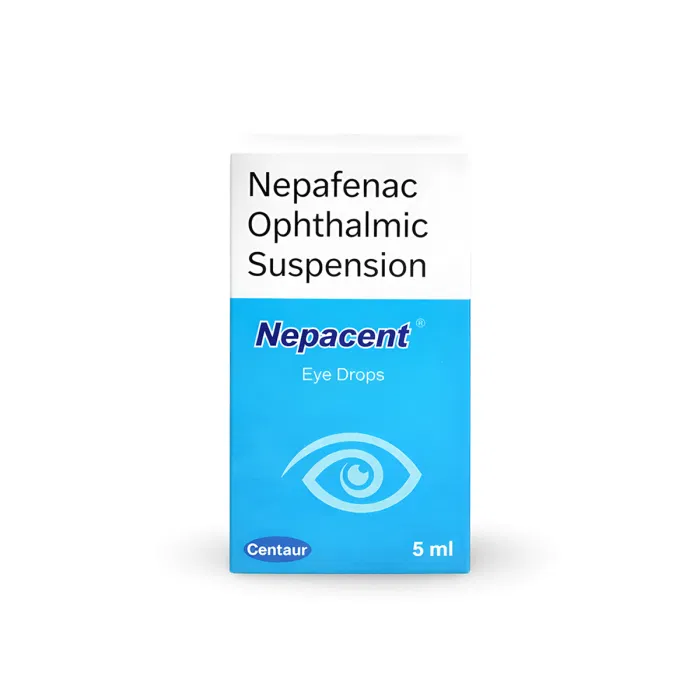
Nepacent 0.10% 5 mL Eye DropStarting at
$31.99
Nepafenac
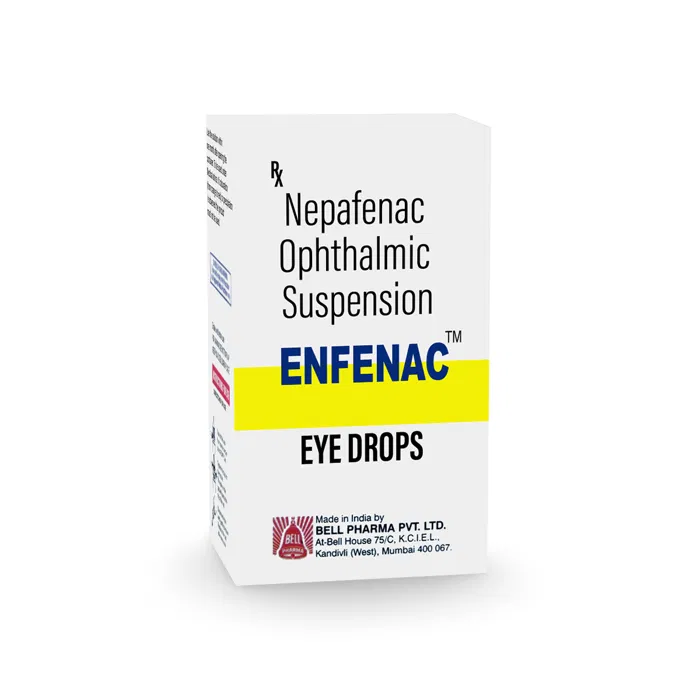
Enfenac Eye DropStarting at
$28.99
Nepafenac
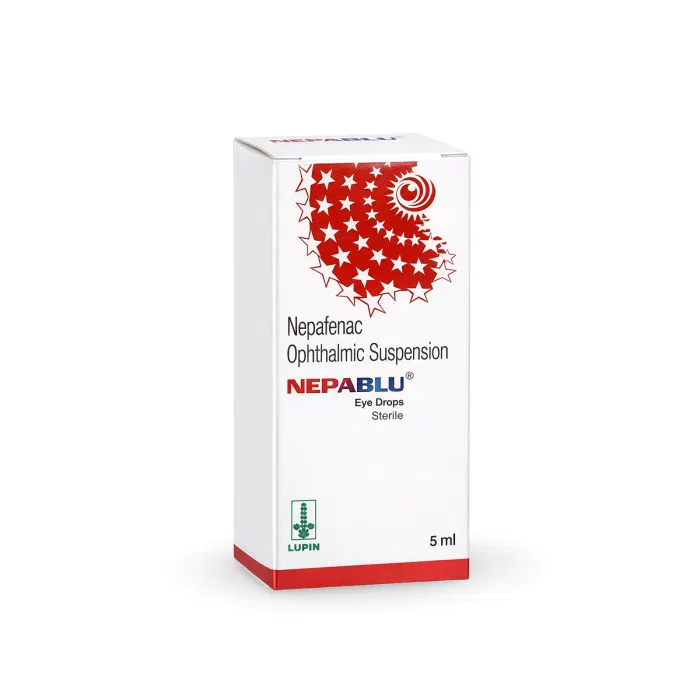
Nepablu 5 mL Eye DropStarting at
$26.99
Nepafenac
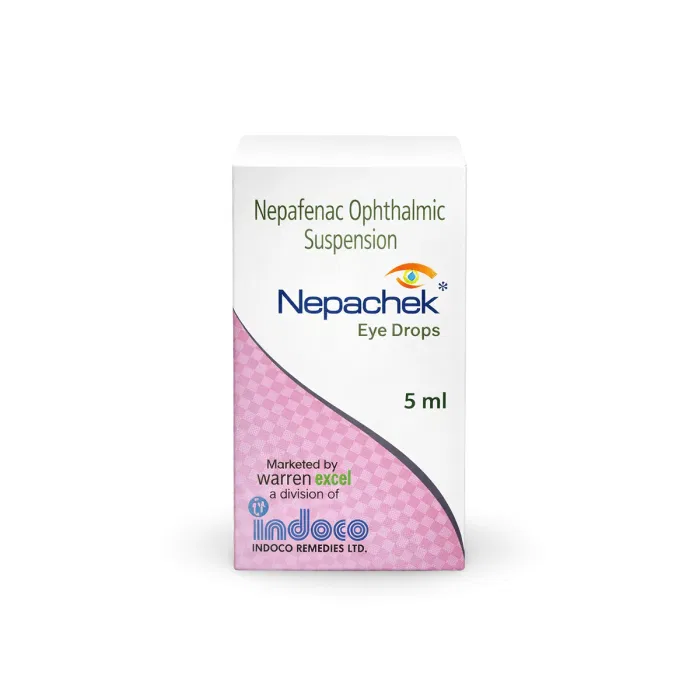
Nepachek 5 mL Eye DropStarting at
$24.99
Nepafenac
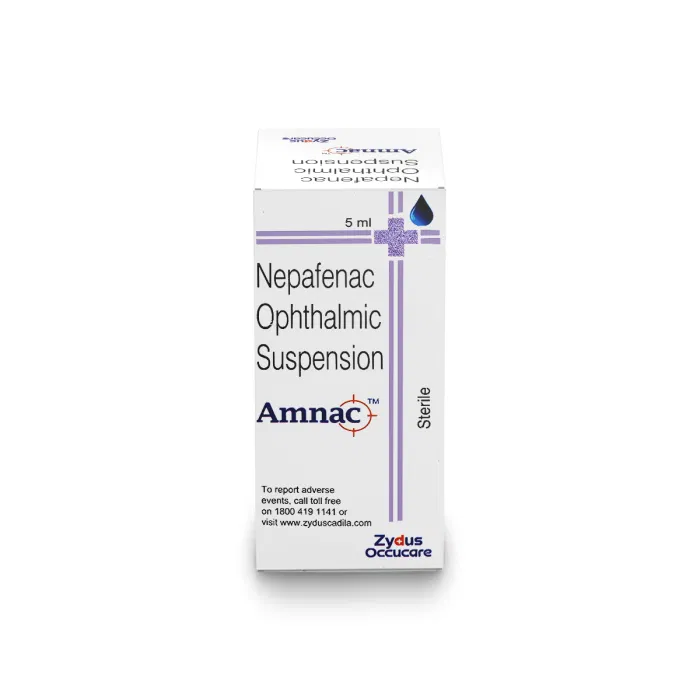
Amnac 5 mL Eye DropStarting at
$26.99
Nepafenac
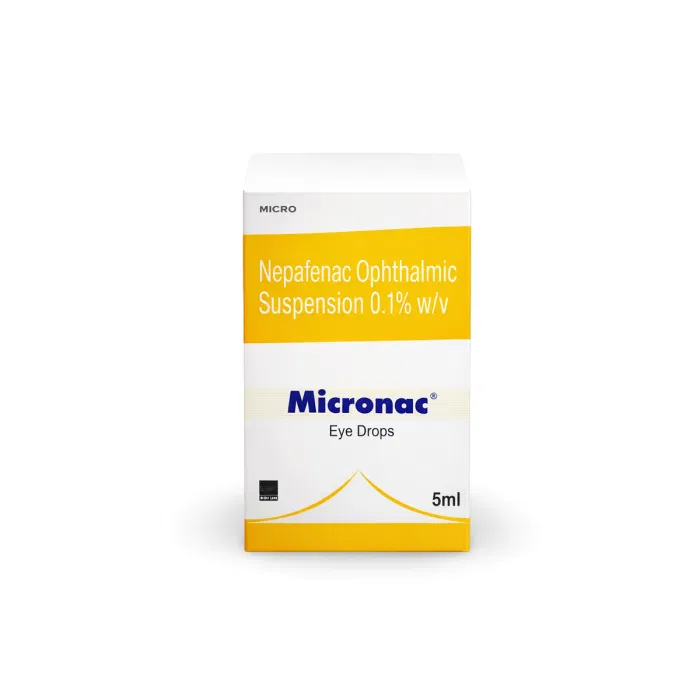
Micronac 5 mL Eye DropStarting at
$41.99
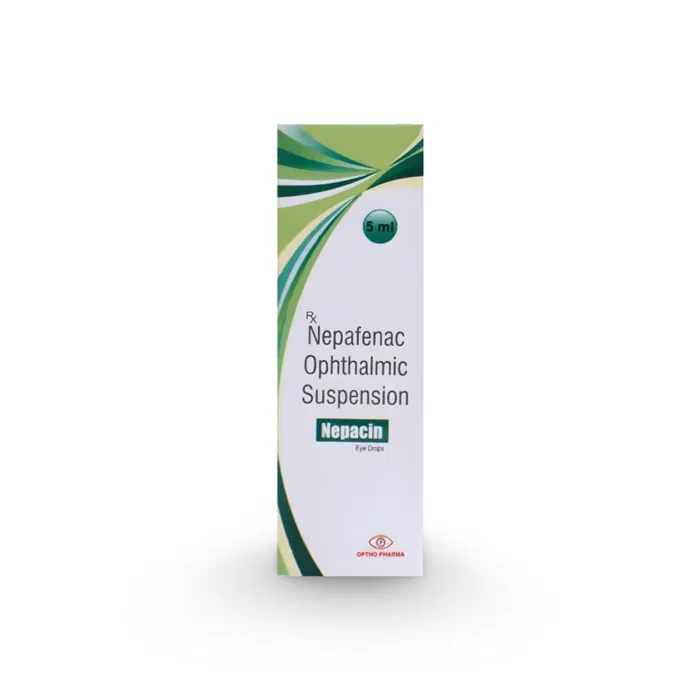
Nepafenac
Nepacin Eye DropStarting at
$12.99