
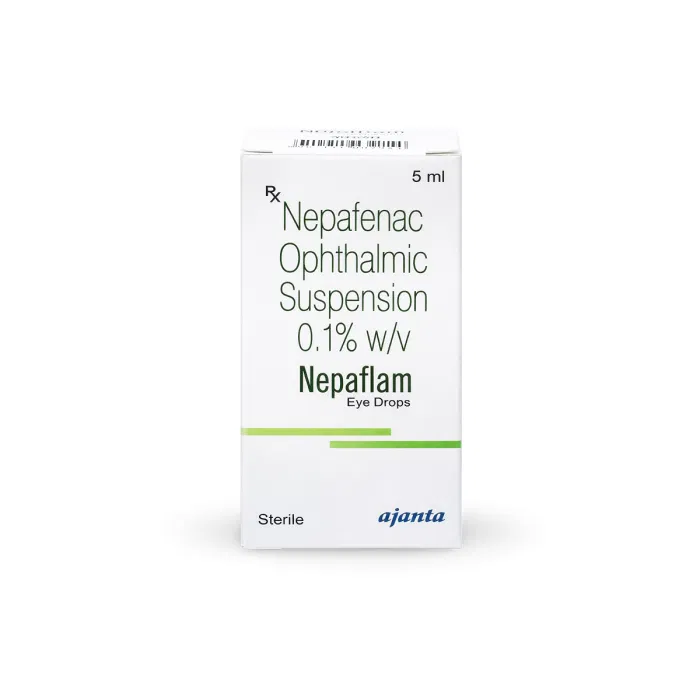
Nepafenac
Nepaflam 5 mL Eye Drop★★★★★0.0 (0)
Starting at
$52.99
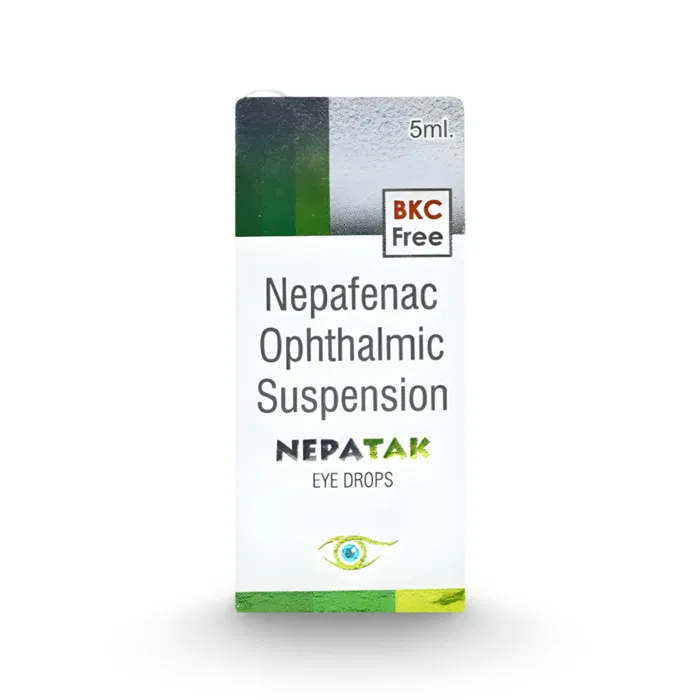
Nepatak Eye Drop is a prescription eye drop that contains nepafenac, a nonsteroidal anti-inflammatory drug (NSAID), in the strength listed on the package. It is used in the eye to help reduce pain and swelling caused by inflammation, especially after eye surgery such as cataract surgery.
Prescription required — you can upload it at checkout or later
| Pack Size | Qty | Price | Add to cart | Unit Price |
|---|---|---|---|---|
| 1 bottle | $34.99 | $34.99 |
Free shipping on orders of $199 or more
Nepatak Eye Drop is a prescription eye drop that contains nepafenac, a nonsteroidal anti-inflammatory drug (NSAID), in the strength listed on the package. It is used in the eye to help reduce pain and swelling caused by inflammation, especially after eye surgery such as cataract surgery. Nepatak Eye Drop works locally in the eye, which helps target inflammation where it is needed. Because it is an ophthalmic NSAID, it is meant for short-term use under an eye doctor’s guidance.
How it works: After you place Nepatak Eye Drop in the eye, nepafenac is converted into an active form that blocks substances in the eye that cause pain and swelling. This helps calm inflammation right where the problem is, without treating the whole body.
Nepatak Eye Drop is the only strength/form of this brand listed here, so the labeled bottle strength is the exact one your doctor is choosing when they prescribe it. Eye-drop nepafenac is typically selected when a local anti-inflammatory effect is needed in the eye rather than a medicine taken by mouth. Its effect is designed for eye use, and the doctor may choose this formulation based on your surgery, healing plan, and overall eye health.
The labeled dose in each bottle is nepafenac eye drop, but the exact amount you place in the eye and how often you use it depend on your prescription and the reason it was prescribed. For ophthalmic nepafenac, doctors commonly direct use once daily or as otherwise instructed around eye surgery, and they will decide the total treatment length. Do not change the dosing schedule on your own, even if symptoms improve quickly.
Do not change your dose or stop the medicine without speaking to your doctor.
Common side effects of Nepafenac may include:
Get medical help right away if you notice:
Store Nepatak Eye Drop in the original box at room temperature, keep the bottle tightly closed, and protect it from contamination and freezing.
Nepatak Eye Drop is used to reduce pain and inflammation in the eye, especially after surgery such as cataract surgery. It is a prescription nepafenac eye drop, so the exact use and timing should follow your eye doctor’s instructions.
Your surgeon will tell you exactly when to start Nepatak Eye Drop and how often to use it. In many post-surgery plans, it is used on a schedule around the operation to help control inflammation and discomfort, but you should follow your personal prescription rather than guess the timing.
Yes, temporary blurred vision can happen right after putting Nepatak Eye Drop in the eye. Because of that, avoid driving or other activities that require clear vision until your sight feels normal again.
No, Nepatak Eye Drop is an eye drop form of nepafenac, so it works locally in the eye rather than throughout the body. That means it is used for eye inflammation and pain, and the dose schedule is different from oral medicines.
No written reviews yet.
Same as Nepafenac
Nepafenac
Nepaflam 5 mL Eye DropStarting at
$52.99
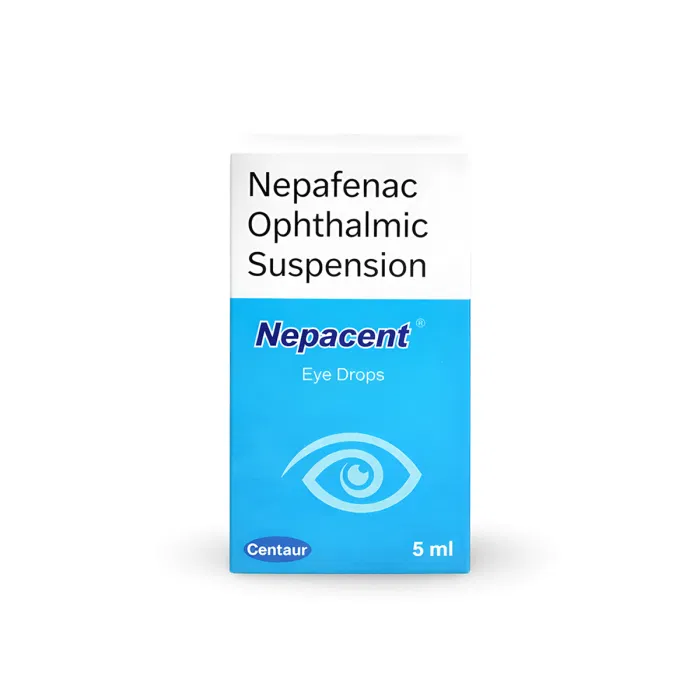
Nepafenac
Nepacent 0.10% 5 mL Eye DropStarting at
$31.99
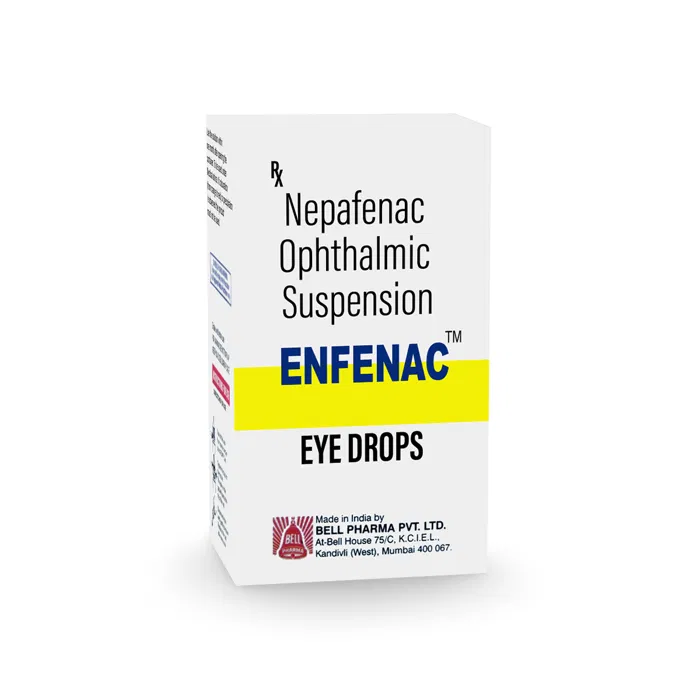
Nepafenac
Enfenac Eye DropStarting at
$28.99
Nepafenac
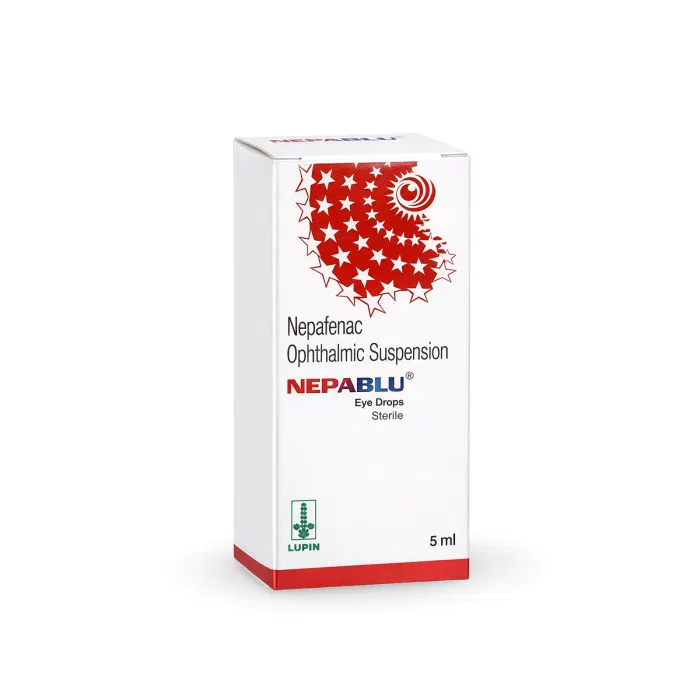
Nepablu 5 mL Eye DropStarting at
$26.99
Nepafenac
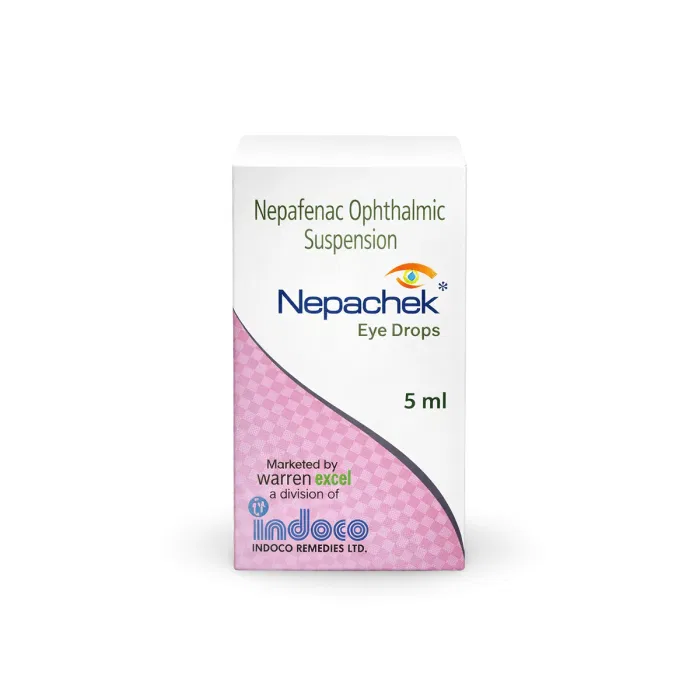
Nepachek 5 mL Eye DropStarting at
$24.99
Nepafenac
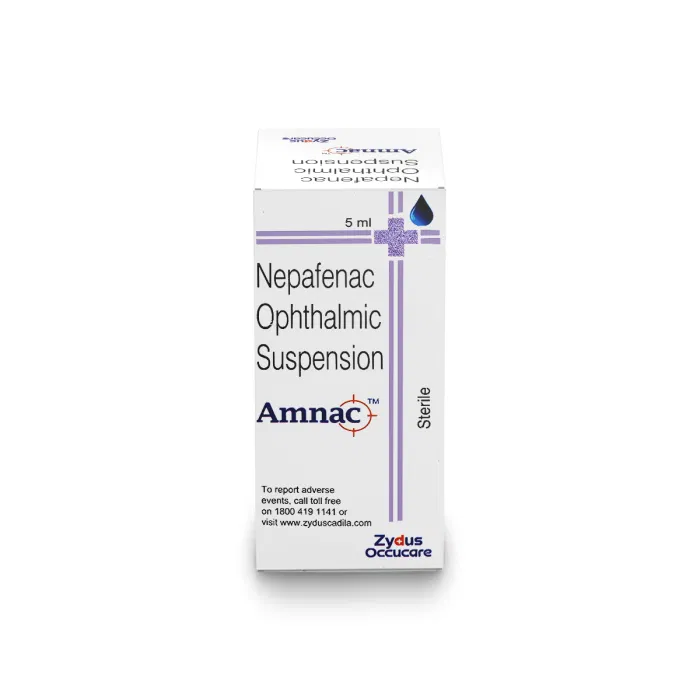
Amnac 5 mL Eye DropStarting at
$26.99
Nepafenac
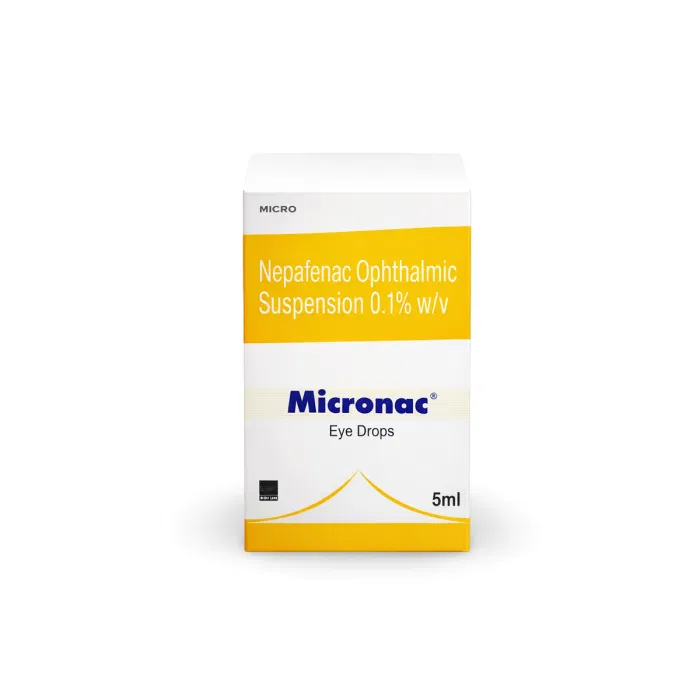
Micronac 5 mL Eye DropStarting at
$41.99
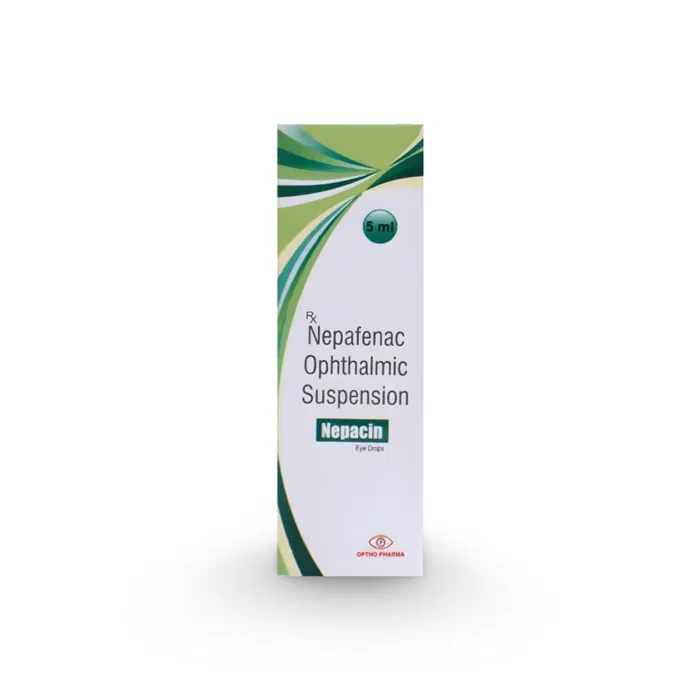
Nepafenac
Nepacin Eye DropStarting at
$12.99