
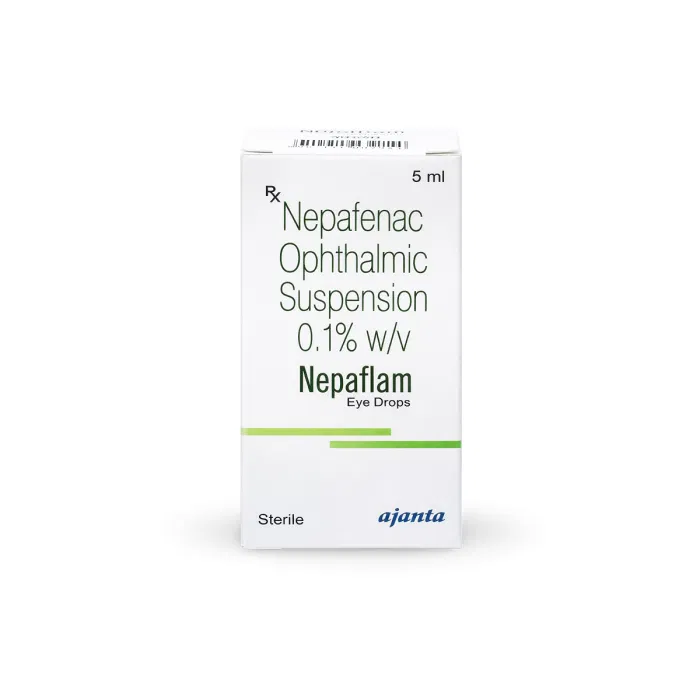
Nepafenac
Nepaflam 5 mL Eye Drop★★★★★0.0 (0)
Starting at
$52.99
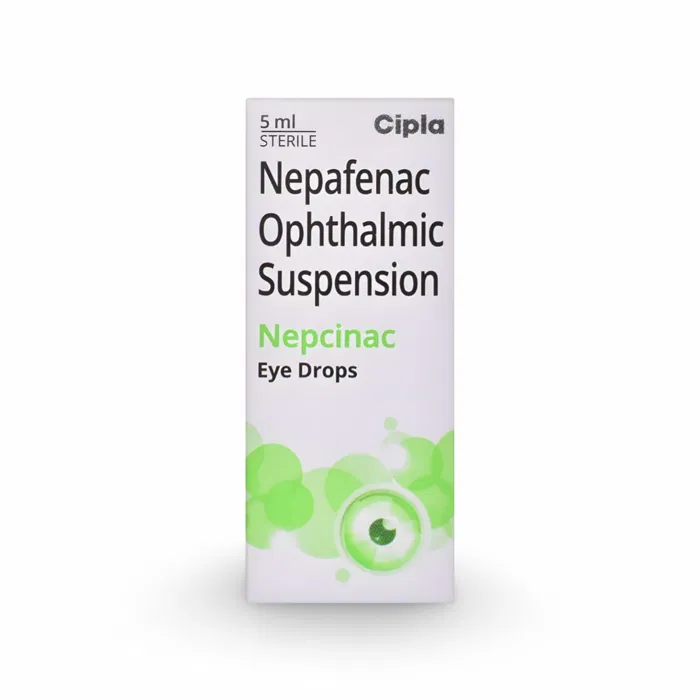
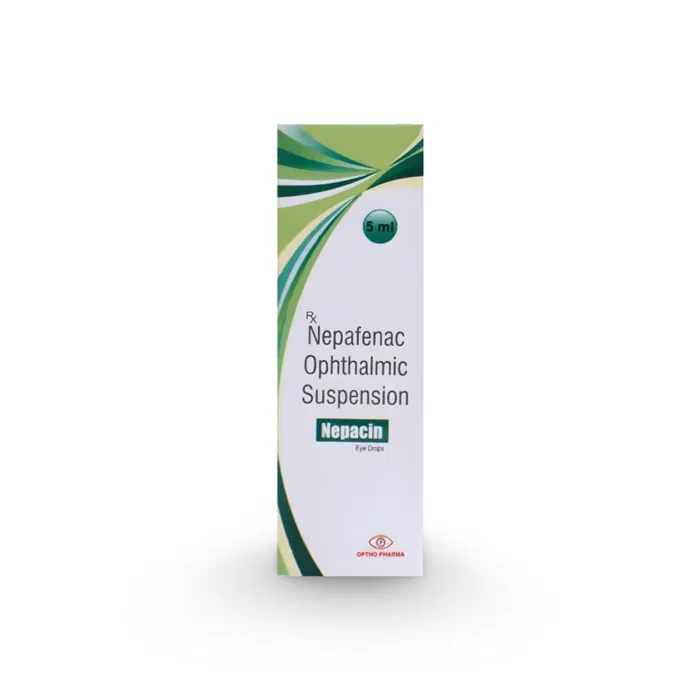
Nepcinac Eye Drop is a prescription eye medicine that contains nepafenac in each bottle, with the exact strength as labelled on the pack. Nepafenac belongs to the nonsteroidal anti-inflammatory drug (NSAID) class, and this eye drop is used to reduce eye pain and swelling, especially after cataract surgery and other doctor-directed eye procedures.
Prescription required — you can upload it at checkout or later
| Pack Size | Qty | Price | Add to cart | Unit Price |
|---|---|---|---|---|
| 1 bottle | $14.99 | $14.99 |
Free shipping on orders of $199 or more
Nepcinac Eye Drop is a prescription eye medicine that contains nepafenac in each bottle, with the exact strength as labelled on the pack. Nepafenac belongs to the nonsteroidal anti-inflammatory drug (NSAID) class, and this eye drop is used to reduce eye pain and swelling, especially after cataract surgery and other doctor-directed eye procedures. Nepcinac Eye Drop works locally in the eye rather than as a pill, so it is designed for targeted anti-inflammatory relief. It should be used only for the specific eye condition and schedule your doctor prescribes.
How it works: Nepafenac reduces the chemicals that cause pain, redness, and swelling in the eye after surgery or irritation. As an eye drop, Nepcinac Eye Drop delivers the medicine directly to the eye where it is needed, helping lower inflammation at the source.
This Nepcinac Eye Drop is the exact as-labelled bottle strength, so it is intended for people whose eye doctor has chosen this concentration for their condition and treatment plan. Because there are no other sibling strengths or forms listed for this brand, the main difference is that this specific bottle strength is used exactly as prescribed for the needed anti-inflammatory effect in the eye.
The dose in Nepcinac Eye Drop is the labelled nepafenac strength in each bottle, and the amount used is measured in drops rather than swallowed. It is often prescribed one or more times a day for a short period around eye surgery, but your doctor decides the exact schedule and the maximum daily use based on your eye condition and response.
Do not change your dose or stop the medicine without speaking to your doctor.
Common side effects of Nepafenac may include:
Get medical help right away if you notice:
Store Nepcinac Eye Drop at room temperature, tightly closed, and protect it from heat, light, and contamination.
Nepcinac Eye Drop is used to reduce pain and inflammation in the eye, especially after cataract surgery or other doctor-directed eye procedures. It contains nepafenac, an NSAID eye medicine, and should be used only for the condition and schedule your eye doctor prescribes.
Use Nepcinac Eye Drop exactly as your doctor or surgeon instructs, usually by placing the prescribed number of drops into the affected eye. Keep the dropper tip clean, avoid touching the eye, and wait a few minutes between different eye medicines.
Yes, Nepcinac Eye Drop can cause temporary burning, stinging, blurred vision, or eye irritation. Seek urgent help if you develop severe pain, major vision changes, or signs of an allergic reaction.
Contact lenses should usually not be worn while using Nepcinac Eye Drop unless your eye doctor says it is okay. If lenses are allowed, ask when to put them back in after each dose and follow your surgeon’s instructions carefully.
No written reviews yet.
Same as Nepafenac
Nepafenac
Nepaflam 5 mL Eye DropStarting at
$52.99
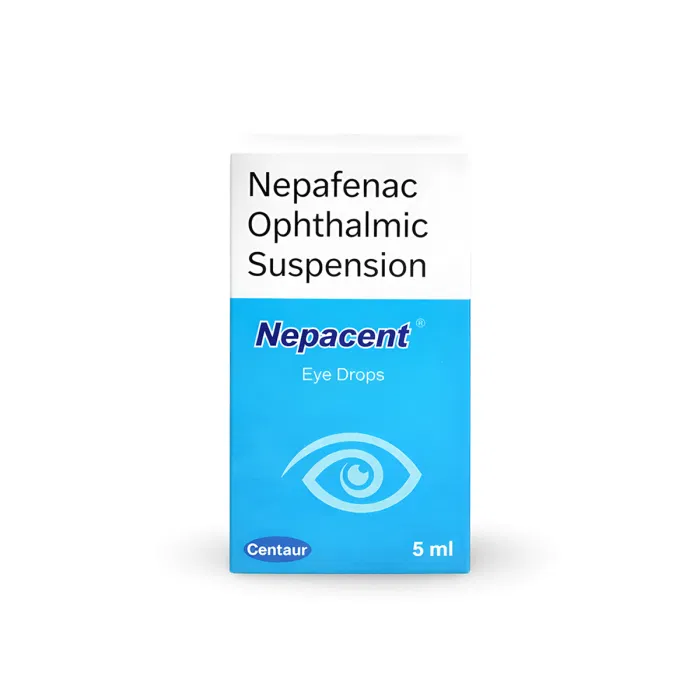
Nepafenac
Nepacent 0.10% 5 mL Eye DropStarting at
$31.99
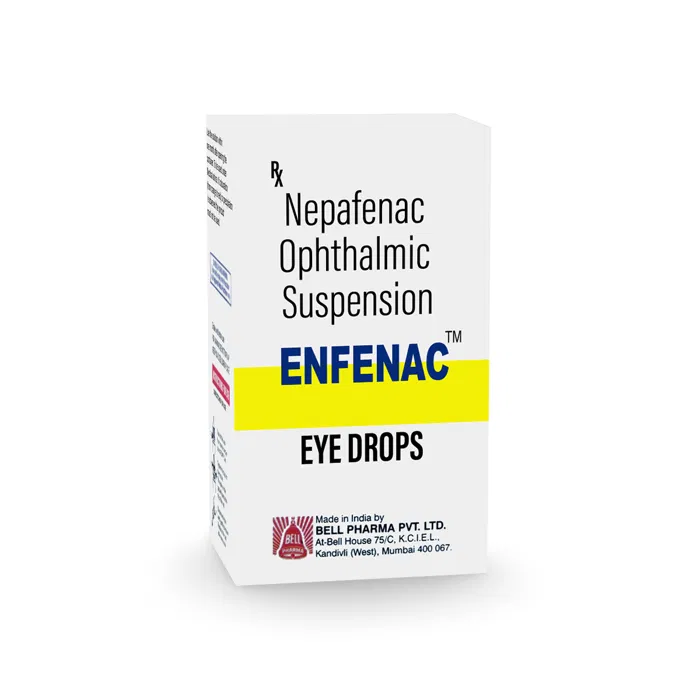
Nepafenac
Enfenac Eye DropStarting at
$28.99
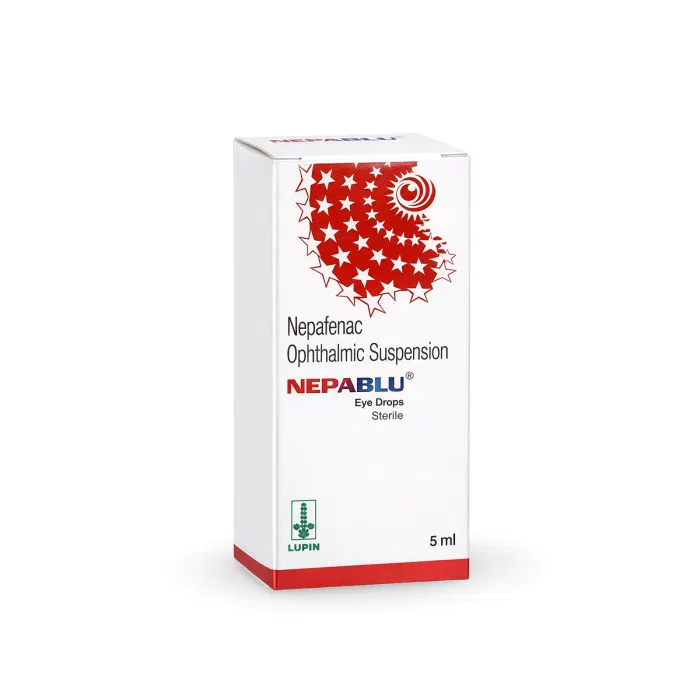
Nepafenac
Nepablu 5 mL Eye DropStarting at
$26.99
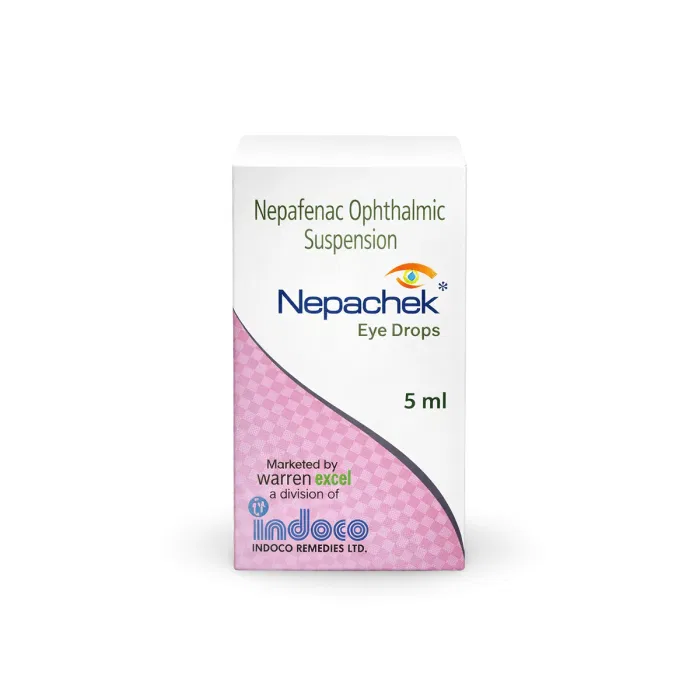
Nepafenac
Nepachek 5 mL Eye DropStarting at
$24.99
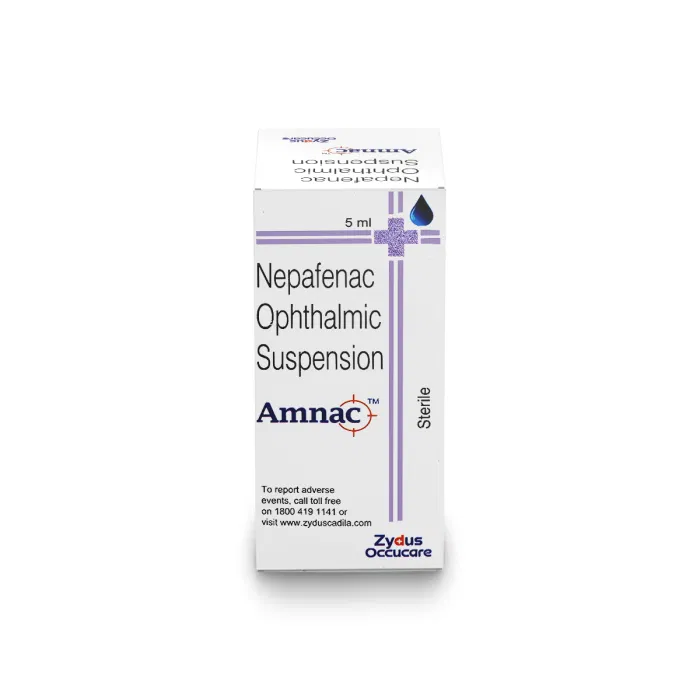
Nepafenac
Amnac 5 mL Eye DropStarting at
$26.99
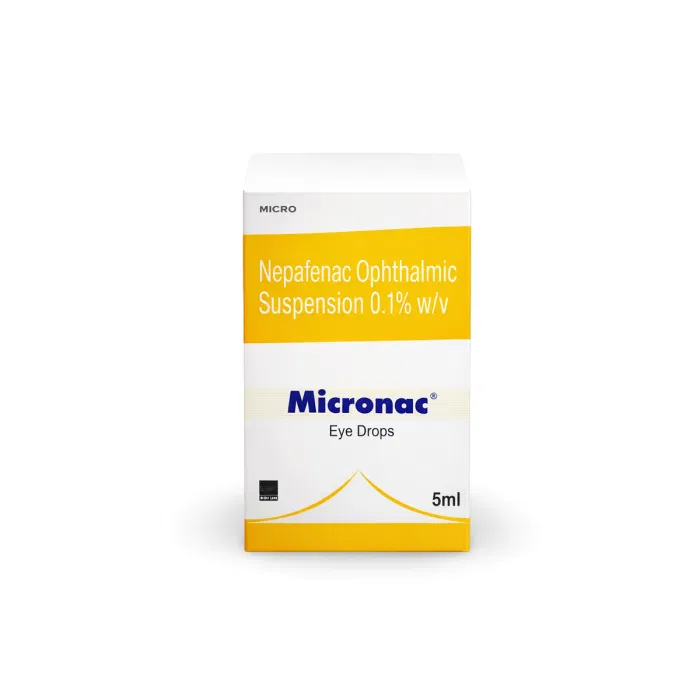
Nepafenac
Micronac 5 mL Eye DropStarting at
$41.99
Nepafenac
Nepacin Eye DropStarting at
$12.99