
Nepafenac
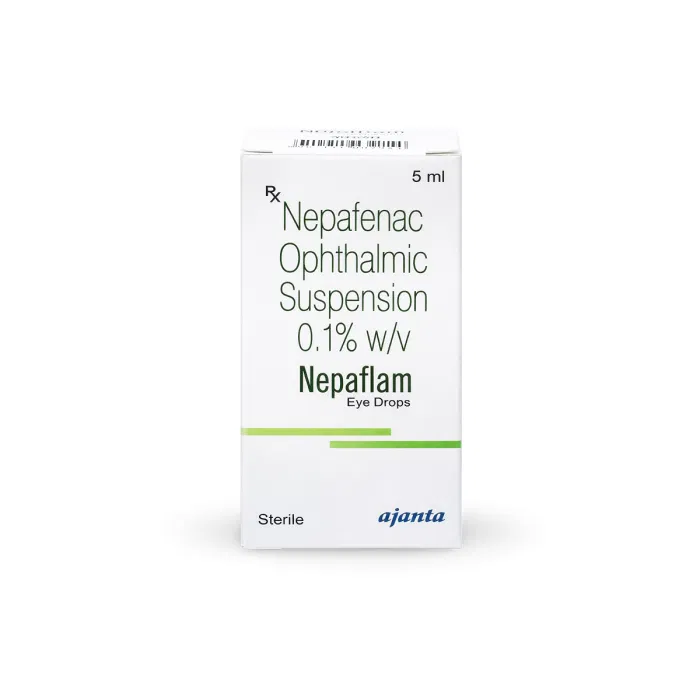
Nepaflam 5 mL Eye Drop★★★★★0.0 (0)
Starting at
$52.99
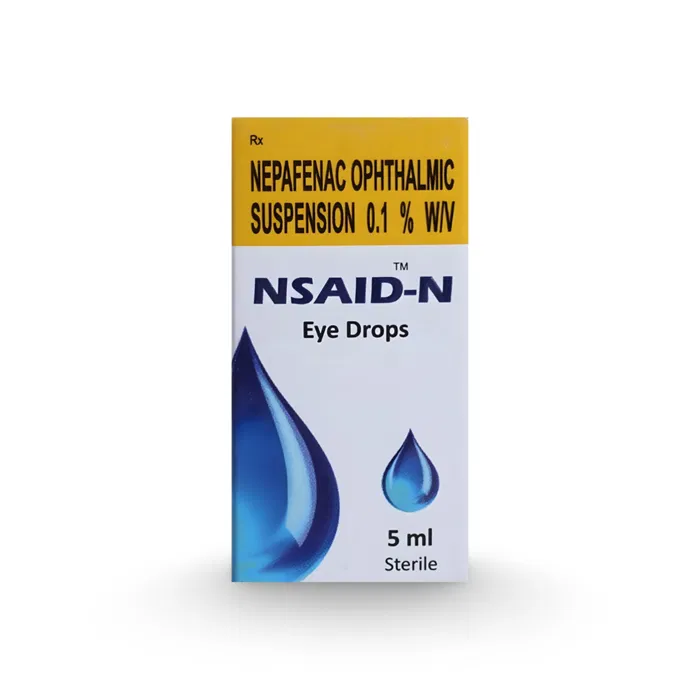
Nsaid-N Eye Drop is a nepafenac ophthalmic solution used in the eye to help reduce pain and inflammation. Each bottle contains nepafenac as labelled, and it belongs to the nonsteroidal anti-inflammatory drug (NSAID) class.
Prescription required — you can upload it at checkout or later
| Pack Size | Qty | Price | Add to cart | Unit Price |
|---|---|---|---|---|
| 1 bottle | $39.99 | $39.99 |
Free shipping on orders of $199 or more
Nsaid-N Eye Drop is a nepafenac ophthalmic solution used in the eye to help reduce pain and inflammation. Each bottle contains nepafenac as labelled, and it belongs to the nonsteroidal anti-inflammatory drug (NSAID) class. It is commonly prescribed for eye inflammation and pain, especially around cataract surgery or other doctor-directed eye conditions.
How it works: Nepafenac is changed in the eye to an active medicine that blocks prostaglandins, which are chemicals that drive pain and swelling. As an eye drop, Nsaid-N Eye Drop delivers the medicine right where inflammation is happening, helping reduce redness, discomfort, and postoperative pain.
Because Nsaid-N Eye Drop is supplied as a single eye-drop strength with no listed lower or higher sibling strengths, it should be used exactly as prescribed for the condition being treated. This form is designed for direct use in the eye, so it can start working locally without needing to be swallowed or mixed with other dosage forms. A doctor may choose this product when an NSAID eye drop is needed for targeted relief and a consistent dose from each bottle.
Nsaid-N Eye Drop provides nepafenac as labelled in each bottle, but the exact dose and schedule depend on the reason it was prescribed. It is often used once or several times daily, and there is no self-set maximum daily dose because the prescriber determines the frequency based on the eye condition and surgery plan. Follow your doctor’s instructions closely, since using more often than directed can raise the risk of eye irritation and healing problems.
Do not change your dose or stop the medicine without speaking to your doctor.
Common side effects of Nepafenac may include:
Get medical help right away if you notice:
Store Nsaid-N Eye Drop at room temperature in the original carton, tightly closed, and protect it from contamination; discard the bottle as directed after opening.
Nsaid-N Eye Drop is a nepafenac eye drop used to reduce pain and inflammation in the eye. It is commonly prescribed after cataract surgery or for other eye conditions when an NSAID eye medicine is needed.
Use Nsaid-N Eye Drop exactly as your doctor directs, and do not touch the bottle tip to the eye. If you use other eye medicines, separate the drops by at least 5 minutes unless your prescriber gives different instructions.
Yes, temporary blurry vision can happen right after using Nsaid-N Eye Drop. Wait until your vision clears before driving or doing anything that requires sharp eyesight.
Contact lens use should be discussed with your eye doctor, especially after surgery or during eye inflammation. In general, do not wear lenses right after instilling the drop unless your doctor says it is safe.
No written reviews yet.
Same as Nepafenac
Nepafenac
Nepaflam 5 mL Eye DropStarting at
$52.99
Nepafenac
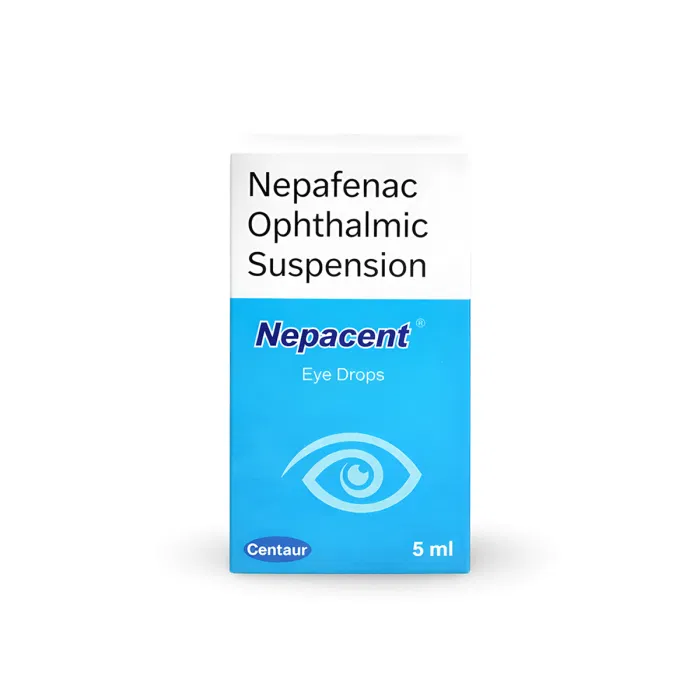
Nepacent 0.10% 5 mL Eye DropStarting at
$31.99
Nepafenac
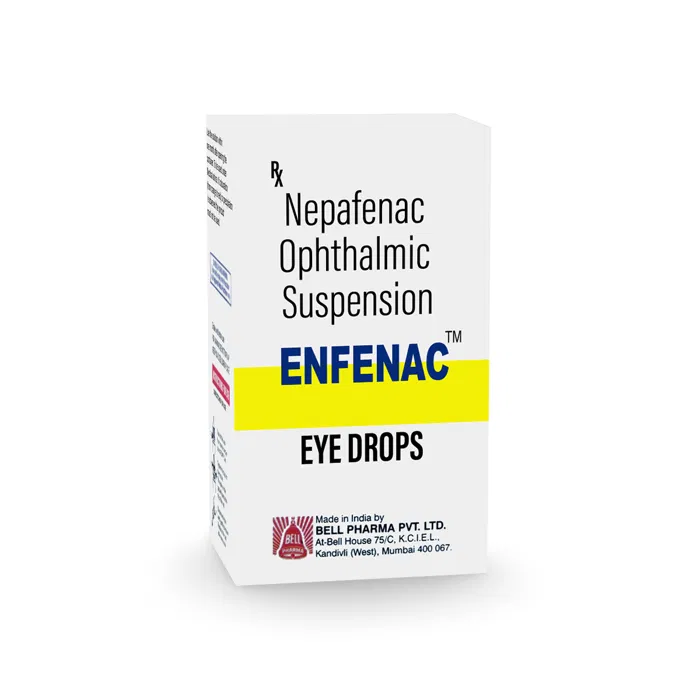
Enfenac Eye DropStarting at
$28.99
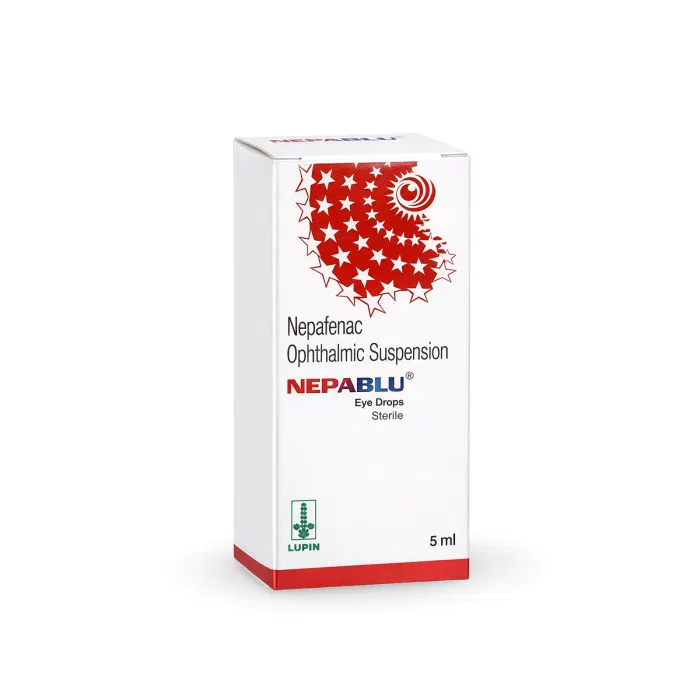
Nepafenac
Nepablu 5 mL Eye DropStarting at
$26.99
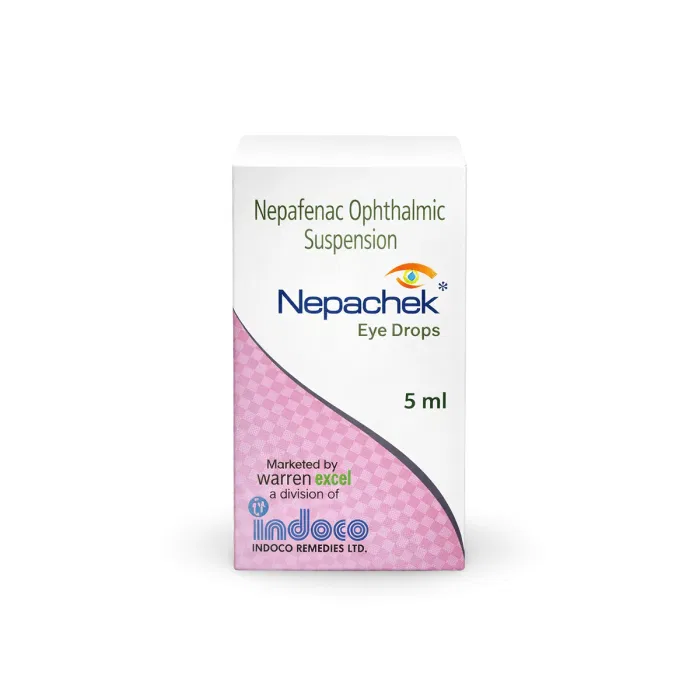
Nepafenac
Nepachek 5 mL Eye DropStarting at
$24.99
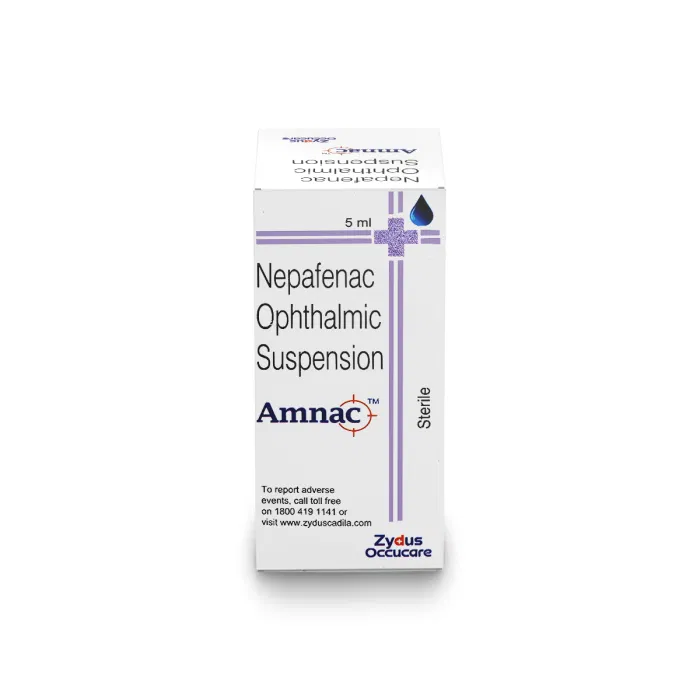
Nepafenac
Amnac 5 mL Eye DropStarting at
$26.99
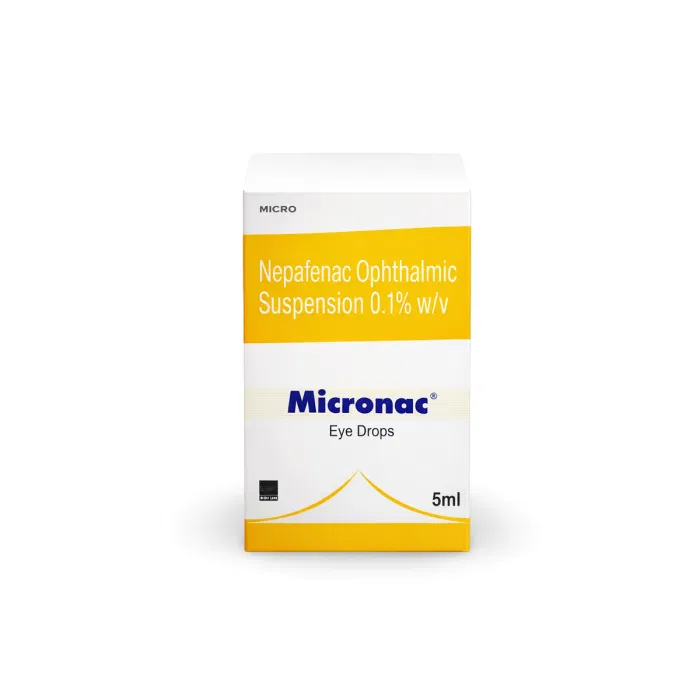
Nepafenac
Micronac 5 mL Eye DropStarting at
$41.99
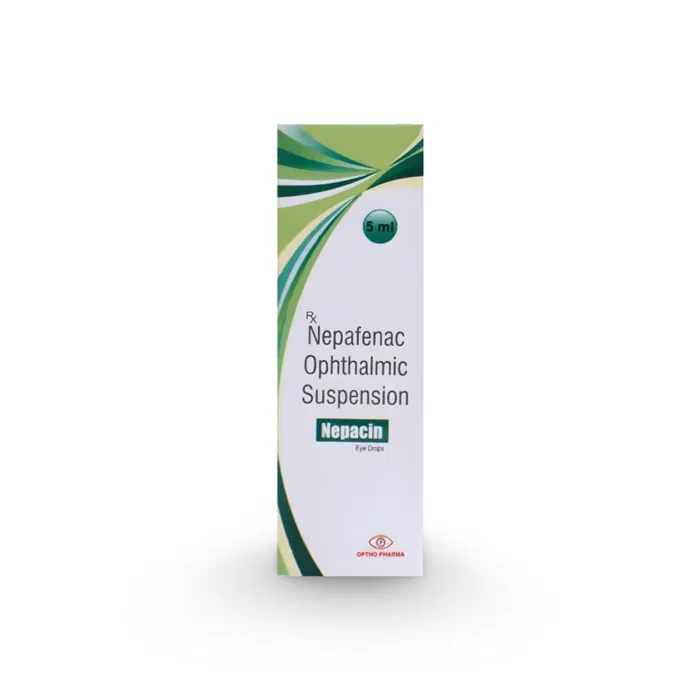
Nepafenac
Nepacin Eye DropStarting at
$12.99