
Acid Reflux and GERD: Causes and Proton Pump Inhibitors
Published September 14, 2026
Medically reviewed by Chep Meds USA Pharmacy Team
Content checked by our licensed pharmacists for accuracy against standard prescribing information. Last reviewed October 2026. Our editorial policy
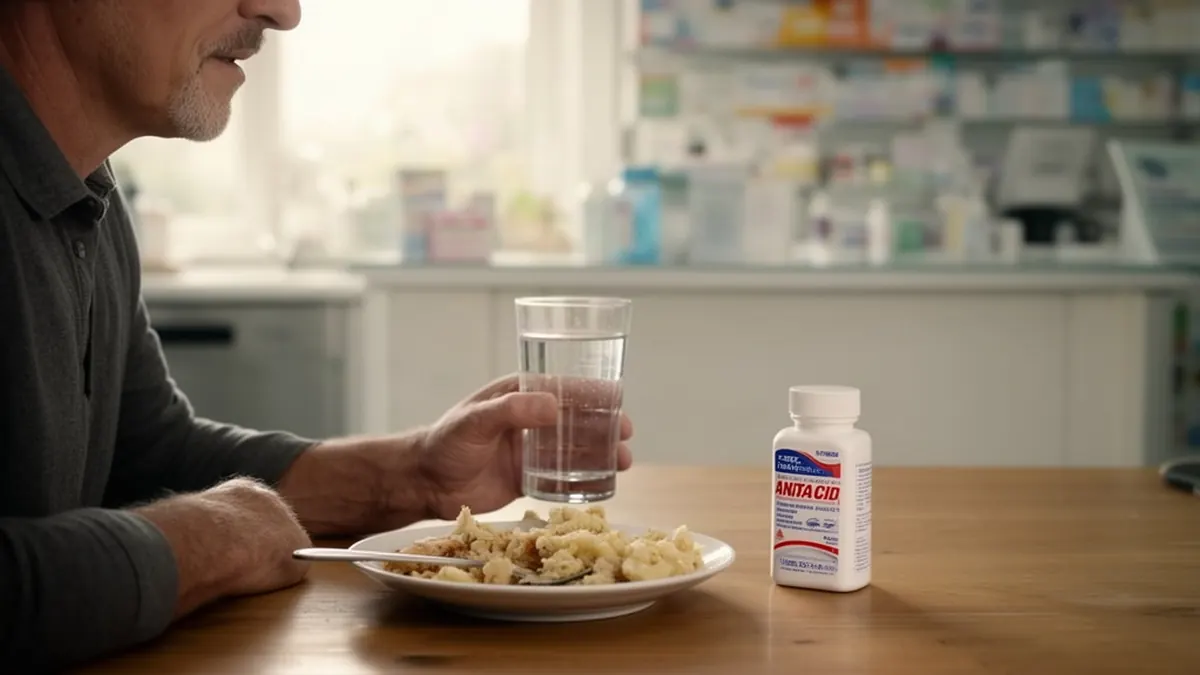
Acid reflux happens when stomach contents move back up into the esophagus, causing symptoms like heartburn, sour taste, or chest discomfort. When this occurs often or starts to damage the esophagus, it may be diagnosed as gastroesophageal reflux disease, or GERD. Many people manage symptoms with lifestyle changes, but some need prescription treatment such as proton pump inhibitors like pantoprazole or rabeprazole. This article explains what causes reflux, when to seek medical care, and how PPIs fit into treatment.
What acid reflux and GERD are
Acid reflux is the backward flow of stomach acid into the esophagus. The esophagus is the tube that carries food from the mouth to the stomach, and it is not meant to handle frequent exposure to acid. That is why reflux can cause burning, irritation, and discomfort after meals or when lying down.
GERD is the chronic form of reflux. Doctors may use this diagnosis when symptoms occur regularly, when they interrupt daily life, or when testing shows injury to the esophagus. Occasional reflux is common, but persistent symptoms should not be ignored.
- Heartburn after meals
- Sour or bitter taste in the mouth
- Regurgitation of food or liquid
- Chest discomfort that is not heart-related
Common causes and risk factors
Reflux happens when the lower esophageal sphincter, a muscle at the bottom of the esophagus, does not close properly. When this valve relaxes too often or too long, stomach acid can travel upward. A hiatal hernia can also make reflux more likely by changing the position of the stomach and diaphragm.
Several factors may increase the risk of reflux or GERD. These include excess body weight, large or late-night meals, smoking, alcohol use, pregnancy, and certain foods or beverages that may trigger symptoms in some people. Some medicines can also contribute to reflux or irritate the esophagus.
Common trigger foods vary from person to person, but often include fatty meals, peppermint, chocolate, tomato-based foods, citrus, coffee, and carbonated drinks. Stress does not directly cause GERD, but it can make symptoms feel worse or more noticeable.
- Weak or over-relaxed lower esophageal sphincter
- Hiatal hernia
- Obesity or weight gain
- Smoking and alcohol
- Large meals or eating before bed
Symptoms and when to see a doctor
The most common symptom of reflux is heartburn, which feels like burning in the chest or throat. Some people also notice regurgitation, nausea, bloating, chronic cough, hoarseness, or a sensation that food is stuck. Symptoms may be worse after meals, when bending over, or while lying down.
You should contact a healthcare professional if symptoms happen more than twice a week, do not improve with over-the-counter treatment, or begin to affect sleep or eating. It is especially important to get medical advice if symptoms are new, frequent, or severe, because other conditions can look like reflux.
Seek urgent care for trouble swallowing, vomiting blood, black stools, unexplained weight loss, persistent vomiting, or chest pain that could be related to the heart. Any chest pain should be evaluated promptly, especially if it comes with shortness of breath, sweating, or pain spreading to the arm, back, or jaw.
- Symptoms more than 2 times per week
- Pain or difficulty swallowing
- Unexplained weight loss
- Blood in vomit or black stools
Lifestyle changes that can reduce reflux
Many people can improve reflux with everyday habits. Weight loss can help if excess body weight is a factor, and avoiding tight clothing may reduce pressure on the stomach. Eating smaller meals and waiting at least 2 to 3 hours before lying down can also lower the chance of nighttime reflux.
It can help to notice and avoid personal trigger foods. Raising the head of the bed, stopping smoking, and limiting alcohol may reduce symptoms for some people. These steps do not work the same way for everyone, but they are often recommended before or along with medication.
Lifestyle measures are often most effective when used consistently. Even if medicine is needed, these changes can reduce how often symptoms occur and may lower the amount of medication a person needs over time.
- Eat smaller meals
- Do not lie down soon after eating
- Raise the head of the bed
- Avoid personal trigger foods
- Stop smoking if you use tobacco
How proton pump inhibitors work
Proton pump inhibitors, or PPIs, reduce the amount of acid the stomach produces. They do this by blocking the acid-making pump in stomach lining cells. Less acid usually means less irritation in the esophagus and better healing of inflammation caused by reflux.
PPIs are commonly used for GERD, erosive esophagitis, and other acid-related conditions. They are not instant relievers like antacids, so they may take a few days to provide full benefit. For many patients, they are more effective than short-acting medicines when symptoms are frequent or significant.
Pantoprazole and rabeprazole are two prescription PPIs used for acid reflux and GERD. A clinician chooses the right medicine based on symptoms, medical history, other medications, and how well a patient responds to treatment. PPIs should be used as directed, since unnecessary or prolonged use can carry risks in some people.
- Lower stomach acid production
- Help heal irritated esophageal tissue
- Best for frequent or chronic reflux
- May take several days to work fully
Pantoprazole vs rabeprazole and practical use
Pantoprazole and rabeprazole belong to the same medication class, but individual response can vary. Some people do well on one PPI and not another, so a prescriber may adjust therapy based on symptom relief and tolerability. Both are usually taken before a meal, often before breakfast, to work properly.
These medicines should be taken exactly as prescribed. Do not change the dose or stop suddenly without talking to a healthcare professional, especially if symptoms are well controlled. If a medicine is not helping, the dose, timing, or diagnosis may need to be reviewed.
PPIs can interact with some other medicines and may not be appropriate for everyone. Be sure to tell your prescriber about all prescription drugs, over-the-counter products, and supplements you use. People with certain kidney issues, low magnesium, bone problems, or long-term PPI use may need monitoring.
- Pantoprazole and rabeprazole are both PPIs
- Usually taken before meals
- Do not self-adjust the dose
- Tell your clinician about all medicines and supplements
Medicines mentioned in this article
- Pan 20 mg Tabletfrom $17.99
- Aciban 20 Tabletfrom $61.99
- Nupenta Tabletfrom $83.99
- Ansuper Tabletfrom $92.99
- Autrab 20 mg Tabletfrom $108.99
- Carnipro 20 mg Capsulefrom $151.99
Common questions
What is the difference between acid reflux and GERD?
Acid reflux is the occasional backflow of stomach acid into the esophagus. GERD is diagnosed when reflux happens often, causes troublesome symptoms, or leads to complications such as inflammation or damage to the esophagus.
Are proton pump inhibitors safe for long-term use?
PPIs are widely used and can be appropriate when there is a clear medical need, but long-term use should be reviewed by a clinician. In some patients, prolonged treatment may require monitoring for side effects or nutrient issues, so regular follow-up is important.
How long does it take pantoprazole or rabeprazole to work?
Some improvement may begin within a day or two, but full benefit often takes several days to a week. These medicines work best when taken consistently as directed, usually before a meal.
When should I see a doctor for heartburn?
See a doctor if heartburn happens more than twice a week, is severe, wakes you at night, or does not improve with over-the-counter treatment. Get urgent care for chest pain with possible heart symptoms, trouble swallowing, vomiting blood, black stools, or unexplained weight loss.