
Acne Treatment Guide: Creams, Gels and Oral Medicines
Published September 8, 2026
Medically reviewed by Chep Meds USA Pharmacy Team
Content checked by our licensed pharmacists for accuracy against standard prescribing information. Last reviewed October 2026. Our editorial policy
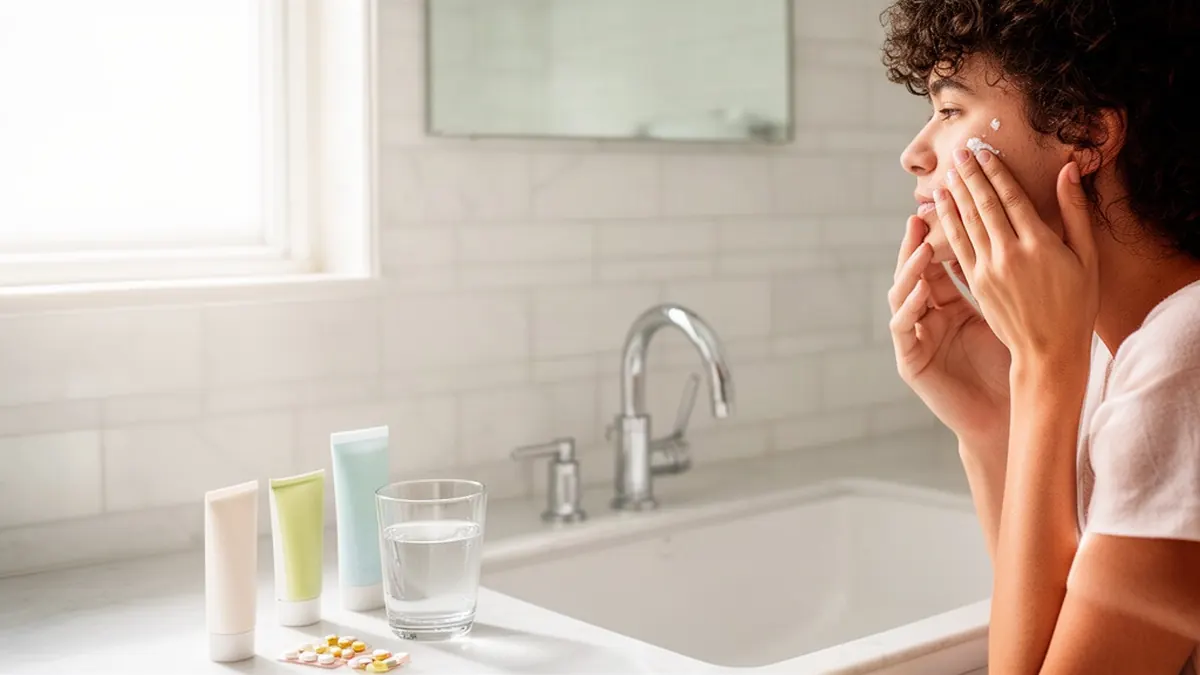
Acne is a common skin condition that can affect teenagers and adults alike. It happens when pores become clogged with oil, dead skin cells, and bacteria, leading to whiteheads, blackheads, pimples, and sometimes deeper painful bumps. Treatment depends on the type and severity of acne, and many people do best with a combination of skincare changes and prescription medicine. This guide explains the main acne treatments used in the US, including topical options such as adapalene and oral medicine such as isotretinoin, plus what to expect and when to get medical advice.
What causes acne and why treatment varies
Acne develops when the skin’s oil glands produce too much sebum and pores become blocked. Hormonal changes, genetics, stress, certain cosmetics, and some medicines can make breakouts worse. Inflammation and bacteria can also play a role, especially in red, tender pimples and deeper nodules.
Because acne has more than one cause, treatment is often tailored to the person. Mild acne may respond to over-the-counter or prescription topical medicines, while moderate to severe acne may require stronger prescriptions or oral treatment. A dermatologist or primary care clinician can help match the medicine to the pattern of acne and your skin type.
It is also important to be patient. Most acne treatments do not work overnight, and some can cause temporary dryness or irritation before improvement begins. Consistent use, along with gentle skin care, usually leads to the best results.
- Pores clog with oil and dead skin cells
- Hormones and inflammation can worsen breakouts
- Treatment depends on acne type and severity
Topical creams and gels: first-line options for many people
Topical acne medicines are applied directly to the skin and are often the first step for mild to moderate acne. They may help unclog pores, reduce inflammation, or lower the number of acne-causing bacteria. Many people use them once daily or as directed by a clinician.
Adapalene is a retinoid available in prescription strength and also in some lower-strength over-the-counter products. It helps keep pores from becoming blocked, which can reduce blackheads, whiteheads, and new pimples. Because it can cause dryness, peeling, or mild stinging at first, it is usually introduced gradually and paired with moisturizer and sunscreen.
Other topical treatments sometimes used for acne include benzoyl peroxide, topical antibiotics, and combination products. These may be used alone or together depending on the severity of acne. If one product is not enough, a clinician may combine treatments to target different steps in acne formation.
- Adapalene helps prevent clogged pores
- Topicals are often used before oral medicine
- Dryness and irritation are common early side effects
How to use acne creams and gels safely
Applying acne medication the right way can improve results and reduce irritation. In general, wash the face with a gentle cleanser, pat the skin dry, and apply a thin layer of medicine to the affected area rather than only on individual pimples. Using more than directed does not usually work faster and may increase redness or peeling.
If you are using adapalene, many clinicians suggest starting every other night or a few times per week if your skin is sensitive, then increasing as tolerated. Moisturizer can help with dryness, and sunscreen is important because some acne treatments can make skin more sensitive to the sun. Avoid harsh scrubs, alcohol-heavy toners, and over-washing, which can worsen irritation.
It can take several weeks to see clear improvement, and breakouts may seem unchanged at first. This does not always mean the medicine is failing. However, if you develop severe burning, swelling, or a rash, stop the product and contact a clinician.
- Use a thin layer on the whole acne-prone area
- Start slowly if your skin is sensitive
- Moisturizer and sunscreen can reduce irritation
When oral medicines such as isotretinoin may be needed
Oral medicines are usually considered when acne is severe, widespread, painful, scarring, or not improving with topical treatment. One of the most effective options for severe nodular acne is isotretinoin, a prescription medicine taken by mouth that reduces oil production and helps prevent clogged pores and inflammation. It is often reserved for cases that have not responded well to other therapies.
Isotretinoin can be very effective, but it requires close medical supervision because it may cause significant side effects and has important safety warnings. Common side effects include dry lips, dry skin, nosebleeds, and sensitivity to the sun. Blood tests and follow-up visits may be needed, and pregnancy prevention is critical because isotretinoin can cause severe birth defects.
Not everyone with acne needs oral medicine. A clinician will consider your acne type, medical history, current medicines, and treatment goals before recommending it. If your acne is leaving scars or affecting your confidence and daily life, it is reasonable to ask whether an oral option is appropriate.
- Used for severe or treatment-resistant acne
- Isotretinoin requires medical monitoring
- Pregnancy prevention is essential during treatment
What to expect during treatment and common side effects
Most acne medicines work gradually, so progress should be measured over weeks, not days. Topical treatments may first cause some dryness or peeling before the skin starts to improve. Oral medicines can also take time, and your clinician may adjust the dose or combine therapies to improve results.
Side effects vary by medicine. Adapalene commonly causes dryness, redness, and peeling, especially at the beginning. Isotretinoin can cause more intense dryness and may affect the eyes, lips, and skin, and it can also require lab monitoring. Tell your clinician about all supplements and medicines you use, since some combinations may not be appropriate.
If you notice worsening redness, a severe rash, mood changes, vision changes, joint pain, or other concerning symptoms, seek medical advice. Do not stop or start prescription acne treatment on your own without guidance if you are unsure how to manage side effects. A clinician can help decide whether the medicine should be continued, adjusted, or changed.
- Acne treatment often takes weeks to show results
- Dryness is common with both topical and oral options
- Report concerning symptoms to your clinician
Everyday habits that support better skin
Medicine works best when paired with simple skin care habits. Use a gentle cleanser, avoid picking or squeezing pimples, and choose non-comedogenic makeup and moisturizers. Picking acne can increase inflammation, cause infection, and raise the risk of dark marks or scars.
Diet and stress are not the only causes of acne, but some people notice flare-ups with high-glycemic foods or dairy. If you suspect a pattern, track your symptoms and discuss it with a clinician rather than making major diet changes without guidance. Stress management, regular sleep, and consistent routines may also help some people.
If acne is severe, painful, or leaving scars, do not wait too long to get care. Early treatment may reduce the chance of long-term skin changes. A clinician can help create a plan that fits your skin, your schedule, and your overall health.
- Do not pick or squeeze pimples
- Choose non-comedogenic products
- Seek care early if acne is severe or scarring
Medicines mentioned in this article
- Adaferin Gel 0.1% (15 g)from $23.99
- Adapen Gelfrom $29.99
- Adiff Gelfrom $41.99
Common questions
How long does acne medicine usually take to work?
Many acne treatments need 6 to 12 weeks before you see clear improvement, and some people need longer. It is common to have some dryness or temporary irritation early on, especially with retinoids such as adapalene.
Can I use adapalene every night right away?
Some people can, but many need to start slowly to avoid dryness and irritation. A clinician may suggest using it every other night at first, then increasing to nightly use as your skin adjusts.
Is isotretinoin only for severe acne?
It is most often used for severe, scarring, or stubborn acne that has not improved with other treatments. Because it has important safety concerns and requires monitoring, a doctor decides whether the benefits outweigh the risks for each patient.
Should I see a doctor before starting acne treatment?
If your acne is mild, some over-the-counter products may help, but prescription options should be guided by a clinician. You should see a doctor if acne is painful, leaving scars, affecting your mood, or not improving with basic treatment.