
Amlodipine Guide: Uses, Dosage and Side Effects
Published September 21, 2026
Medically reviewed by Chep Meds USA Pharmacy Team
Content checked by our licensed pharmacists for accuracy against standard prescribing information. Last reviewed October 2026. Our editorial policy
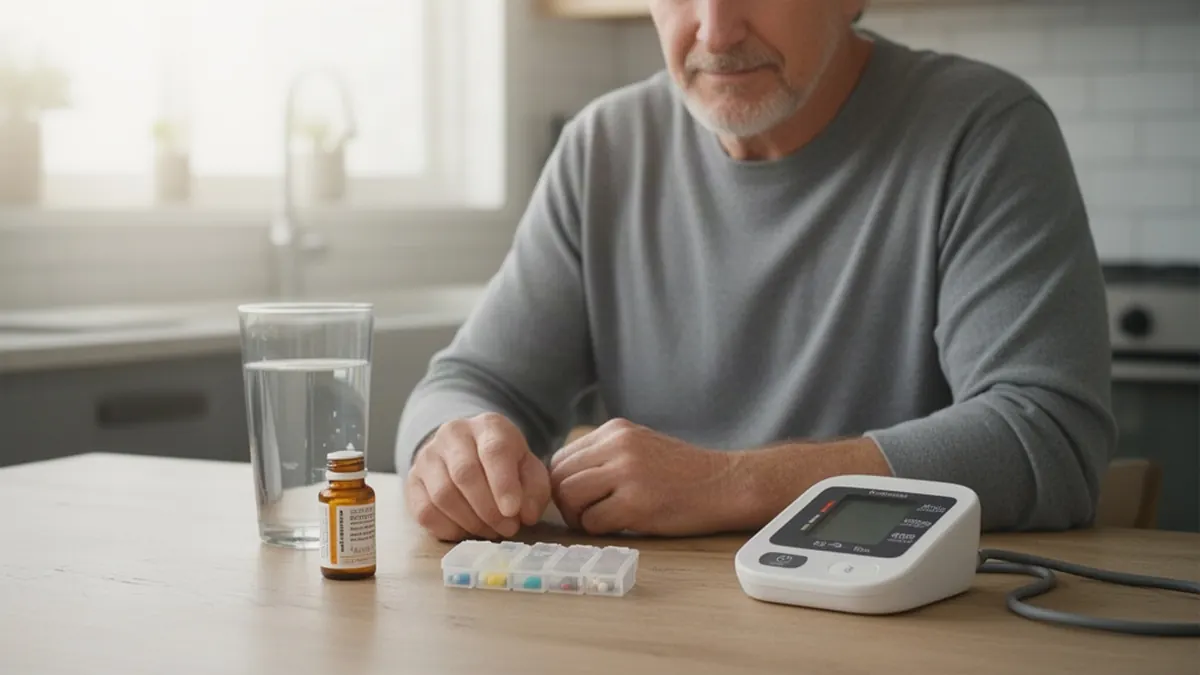
Amlodipine is a prescription calcium channel blocker used to treat high blood pressure and angina (chest pain). By helping blood vessels relax and widen, it can lower blood pressure and improve blood flow to the heart. This article reviews common uses, typical dosing, side effects, and important precautions for US patients, but it does not replace advice from your healthcare provider.
What Amlodipine Is Used For
Amlodipine is most often prescribed for hypertension, or high blood pressure. Lowering blood pressure can reduce the risk of stroke, heart attack, and kidney problems over time.
It is also used for chronic stable angina and certain forms of vasospastic angina, which are types of chest pain related to reduced blood flow to the heart.
Doctors may prescribe amlodipine alone or together with other blood pressure medicines depending on your readings, other health conditions, and response to treatment.
- High blood pressure
- Chronic chest pain (angina)
- Sometimes used with other heart medicines
How Amlodipine Works
Amlodipine belongs to a group of medicines called calcium channel blockers. It blocks calcium from entering smooth muscle cells in blood vessel walls, which helps the vessels relax.
When blood vessels widen, the heart does not have to work as hard to pump blood. This can lower blood pressure and reduce chest pain caused by narrowed or tight blood vessels.
Amlodipine usually works gradually. You may not feel a dramatic change right away, even though it is helping your blood pressure in the background.
- Relaxes blood vessels
- Lowers pressure on the heart
- Helps improve blood flow
Amlodipine Dosage and How to Take It
Amlodipine is typically taken once daily, with or without food. Taking it at the same time each day can make it easier to remember and may help keep levels steady in your body.
For adults with high blood pressure, common starting doses are 5 mg once daily, though some people may start at 2.5 mg if they are older, frail, or more sensitive to side effects. Your doctor may increase the dose based on your blood pressure response.
The usual adult maximum dose is 10 mg once daily. Do not change your dose on your own, and do not stop suddenly without medical guidance, especially if you take amlodipine for heart-related symptoms.
- Take once daily
- Common adult starting dose: 5 mg
- Some patients start at 2.5 mg
- Usual maximum adult dose: 10 mg
What to Expect After Starting Treatment
Amlodipine may begin lowering blood pressure within hours, but the full effect can take several days to two weeks. Your doctor may ask you to monitor your blood pressure at home to see how well it is working.
If you are taking it for angina, it may reduce how often chest pain happens and improve exercise tolerance. It is not a rescue medicine for sudden chest pain.
Keep follow-up appointments so your clinician can check your blood pressure, side effects, and whether your treatment plan needs adjustment.
- Blood pressure changes may take days to weeks
- Not for sudden chest pain relief
- Home BP checks can be helpful
Common and Serious Side Effects
Many people take amlodipine without major problems, but side effects can happen. The most common include swelling in the ankles or feet, dizziness, flushing, headache, and tiredness.
Some people may also notice palpitations, nausea, or abdominal discomfort. Side effects are often mild, but persistent symptoms should be discussed with a healthcare professional because your dose or medicine choice may need adjustment.
Seek urgent medical help if you have signs of a serious reaction such as facial swelling, severe dizziness, fainting, chest pain that is new or worsening, or an allergic reaction with rash, itching, or trouble breathing.
- Swelling in feet or ankles
- Dizziness or lightheadedness
- Headache or flushing
- Call a doctor for severe or worsening symptoms
Important Safety Tips and Drug Interactions
Tell your doctor and pharmacist about all prescription drugs, over-the-counter medicines, vitamins, and supplements you use. Some medicines can affect how amlodipine works or increase side effects.
Amlodipine may interact with certain heart medicines, blood pressure drugs, antifungals, HIV medications, and grapefruit products. Your clinician may need to monitor you more closely if you take multiple medicines that lower blood pressure.
If you are pregnant, breastfeeding, have liver disease, or have a history of low blood pressure, discuss this before starting treatment. Also let your provider know if you feel unusually weak, faint, or short of breath while taking it.
- Review all medicines with your clinician
- Ask about grapefruit and other interactions
- Use extra caution with liver disease or low blood pressure
Medicines mentioned in this article
- Aldo 10 Tabletfrom $76.99
- Amcard 10 Tabletfrom $47.99
- Amcard 2.5 Tabletfrom $51.99
Common questions
How long does amlodipine take to work?
Amlodipine starts working gradually, but you may need several days to two weeks to notice the full effect on blood pressure. If you take it for angina, benefits may build over time as well. Keep taking it as prescribed unless your doctor tells you otherwise.
Can I take amlodipine at night?
Many people take amlodipine in the morning, but it can often be taken at any time of day as long as you take it consistently. If it makes you dizzy or sleepy, ask your doctor or pharmacist whether evening dosing makes sense for you.
What should I do if I miss a dose?
If you miss a dose, take it when you remember unless it is almost time for your next dose. Do not take two doses at once to make up for the missed dose. If you miss doses often, ask your pharmacist for tips to help you stay on schedule.
Does amlodipine cause weight gain?
Amlodipine is not known for major weight gain, but some people do notice swelling that can make them feel bloated or heavier. If you have new or worsening swelling, tell your doctor so they can check whether the medicine is the cause or if another issue is involved.