
High Blood Pressure: Causes, Symptoms and Common Medicines
Published September 22, 2026
Medically reviewed by Chep Meds USA Pharmacy Team
Content checked by our licensed pharmacists for accuracy against standard prescribing information. Last reviewed October 2026. Our editorial policy
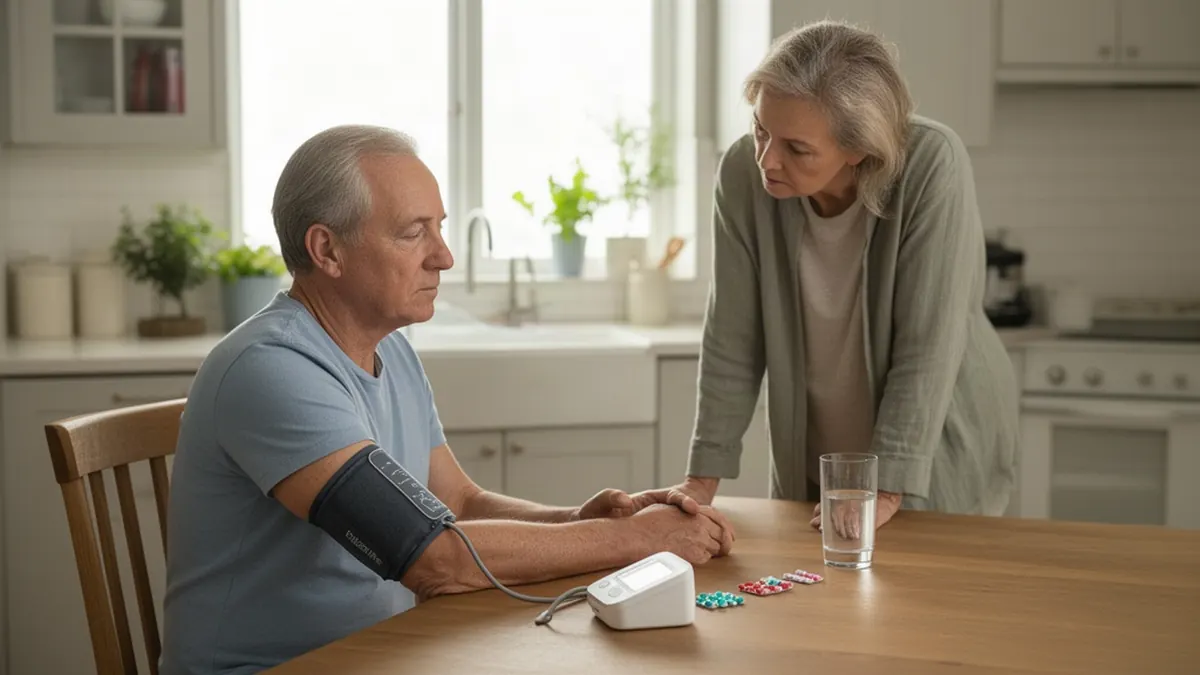
High blood pressure, also called hypertension, is a common condition in the United States and one of the main risk factors for heart disease and stroke. It happens when the force of blood pushing against artery walls stays too high over time. Because it often causes no obvious symptoms, many people do not know they have it until it is found during a routine checkup or after a health complication. The good news is that blood pressure can often be managed with healthy lifestyle changes and, when needed, prescription medicines prescribed by a healthcare professional.
What is high blood pressure?
Blood pressure is measured with two numbers. The top number, called systolic pressure, reflects the pressure when the heart beats. The bottom number, called diastolic pressure, reflects the pressure when the heart rests between beats. In general, a blood pressure reading below 120/80 mm Hg is considered normal for many adults, while repeated readings of 130/80 mm Hg or higher may indicate hypertension, depending on overall health and clinical guidance.
Hypertension is often called a "silent" condition because it may develop without noticeable warning signs. Over time, consistently high pressure can damage blood vessels and make the heart work harder than it should. That strain can increase the risk of heart attack, stroke, heart failure, vision problems, and kidney disease.
There are two main types of high blood pressure. Primary hypertension develops gradually over time and is the most common form. Secondary hypertension is caused by another medical issue or medication, such as kidney disease, sleep apnea, thyroid disorders, or certain pain relievers and decongestants.
- Normal blood pressure is usually below 120/80 mm Hg
- Repeated readings of 130/80 mm Hg or higher may be high
- Hypertension can quietly damage the heart, brain, and kidneys
Common causes and risk factors
There is often no single cause of primary hypertension. Instead, it usually develops from a mix of genetic, lifestyle, and age-related factors. A family history of high blood pressure can increase risk, as can getting older, since blood vessels tend to become less flexible with age.
Lifestyle factors play a major role. Eating too much sodium, carrying extra body weight, not getting enough physical activity, drinking too much alcohol, smoking, and long-term stress can all contribute. Poor sleep and sleep apnea may also raise blood pressure in some people.
Certain medical conditions and medications can lead to secondary hypertension. Examples include chronic kidney disease, diabetes, adrenal gland disorders, thyroid problems, pregnancy-related hypertension, and some over-the-counter products such as NSAIDs, stimulants, and decongestants. A healthcare professional can help identify whether another condition is contributing to elevated readings.
- Family history
- Older age
- High-sodium diet
- Overweight or obesity
- Physical inactivity
- Smoking and excess alcohol
- Kidney, hormone, or sleep disorders
Symptoms and when to seek care
Most people with high blood pressure feel fine, which is why routine screening is so important. When symptoms do occur, they are usually not specific and may not happen until blood pressure is very high or complications have started. Possible symptoms can include headaches, dizziness, shortness of breath, blurred vision, chest discomfort, or nosebleeds, but these do not always mean hypertension is the cause.
A very high blood pressure reading can be an emergency, especially if it is accompanied by severe headache, chest pain, trouble breathing, weakness on one side of the body, confusion, or vision changes. These symptoms may signal a hypertensive crisis, stroke, or another urgent condition.
If you check your blood pressure at home and repeatedly get elevated readings, schedule a visit with a doctor or clinician. If you already take medicine for hypertension, do not stop it on your own, even if you feel well. Blood pressure treatment often works best when combined with ongoing follow-up and home monitoring.
- Many people have no symptoms
- Symptoms may appear only when blood pressure is very high
- Seek urgent care for chest pain, stroke-like symptoms, or severe shortness of breath
How high blood pressure is diagnosed
Diagnosis is usually based on more than one reading. A single elevated result does not always mean someone has hypertension, since stress, caffeine, exercise, pain, or a rushed measurement can temporarily raise blood pressure. Clinicians often repeat readings during different visits or ask patients to use a home cuff to track numbers over time.
Home blood pressure monitoring can be helpful when done correctly. Use an upper-arm cuff that fits well, sit quietly for five minutes before measuring, keep your back supported and feet flat, and avoid caffeine, smoking, and exercise right beforehand. Recording the time and reading can help your doctor see patterns and decide whether treatment is needed.
In some cases, a clinician may order blood and urine tests, an electrocardiogram, or other studies to look for complications or possible causes. These tests can also help guide the safest treatment plan, especially if you have diabetes, kidney disease, pregnancy, or other health concerns.
- Diagnosis usually requires more than one reading
- Home monitoring can support accurate follow-up
- Tests may be used to check for causes or complications
Lifestyle changes that can help lower blood pressure
Healthy habits are an important part of blood pressure control and may reduce the need for medicine in some people. The DASH eating plan, which emphasizes fruits, vegetables, whole grains, lean proteins, and low-fat dairy, is commonly recommended. Limiting sodium, choosing fewer processed foods, and reading nutrition labels can also make a meaningful difference.
Regular exercise can lower blood pressure and improve overall heart health. Many adults are advised to aim for at least 150 minutes of moderate activity per week, such as brisk walking, cycling, or swimming, if their doctor says it is safe. Losing even a small amount of weight, if needed, may help reduce blood pressure as well.
Other helpful steps include quitting smoking, limiting alcohol, managing stress, and getting enough sleep. These changes do not replace medical treatment when medicine is needed, but they often work best alongside it. For people with hypertension, small changes done consistently can add up to better long-term control.
- Follow a lower-sodium, heart-healthy eating plan
- Be physically active most days of the week
- Maintain a healthy weight if possible
- Limit alcohol and stop smoking
- Work on sleep and stress management
Common medicines used for high blood pressure
Many people need prescription medicine to reach a safe blood pressure goal. The best choice depends on the person’s age, blood pressure level, other medical conditions, and possible side effects. Doctors often choose from several classes of medicines, including calcium channel blockers, angiotensin receptor blockers, ACE inhibitors, diuretics, and beta blockers.
Amlodipine is a calcium channel blocker commonly used for high blood pressure and certain types of chest pain. It helps relax and widen blood vessels, which can lower pressure and reduce the heart’s workload. Some people may notice side effects such as swelling in the ankles, flushing, dizziness, or headache, though not everyone gets them.
Telmisartan is an angiotensin receptor blocker, or ARB. It helps the blood vessels relax by blocking a hormone that narrows blood vessels. It is often prescribed for hypertension and may be especially useful for some patients who cannot take an ACE inhibitor. Possible side effects can include dizziness, tiredness, or changes in kidney function or potassium levels, so follow-up with a doctor is important.
Medication works best when taken exactly as prescribed. Do not change your dose or stop treatment without medical advice, even if your blood pressure improves. If side effects occur or a dose is missed, a clinician or pharmacist can advise on the next step and whether an adjustment is needed.
- Amlodipine helps relax blood vessels
- Telmisartan blocks a hormone that tightens blood vessels
- Always take blood pressure medicine as prescribed
- Follow up for monitoring of blood pressure, kidneys, and potassium when advised
Medicines mentioned in this article
- Aldo 10 Tabletfrom $76.99
- Amcard 10 Tabletfrom $47.99
- Amcard 2.5 Tabletfrom $51.99
- Macsart 40 Tabletfrom $45.99
- Telma H 40 + 12.50 mg Tabletfrom $47.99
- E Tel 20 mg Tabletfrom $30.99
Common questions
Can high blood pressure be cured?
High blood pressure is often a long-term condition rather than something that is permanently cured. Many people can manage it very well with lifestyle changes and, when needed, medicine. The goal is to keep blood pressure controlled and lower the risk of complications.
Do I need medicine if I feel fine?
Possibly, yes. High blood pressure often has no symptoms, so feeling well does not mean it is under control. A doctor can help decide whether lifestyle changes alone are enough or whether prescription treatment is needed.
Is it safe to check blood pressure at home?
Yes, home monitoring is commonly recommended and can be very helpful. Use a validated upper-arm cuff and follow proper technique for the most accurate results. Share your readings with your healthcare professional so they can interpret them in context.
What should I do if my blood pressure is very high?
If you get a very high reading, sit quietly and recheck after a few minutes, unless you have severe symptoms. Seek urgent medical help right away if you also have chest pain, severe headache, confusion, shortness of breath, weakness, or vision changes.