
Heart Health for Men: Warning Signs You Should Not Ignore
Published September 25, 2026
Medically reviewed by Chep Meds USA Pharmacy Team
Content checked by our licensed pharmacists for accuracy against standard prescribing information. Last reviewed October 2026. Our editorial policy
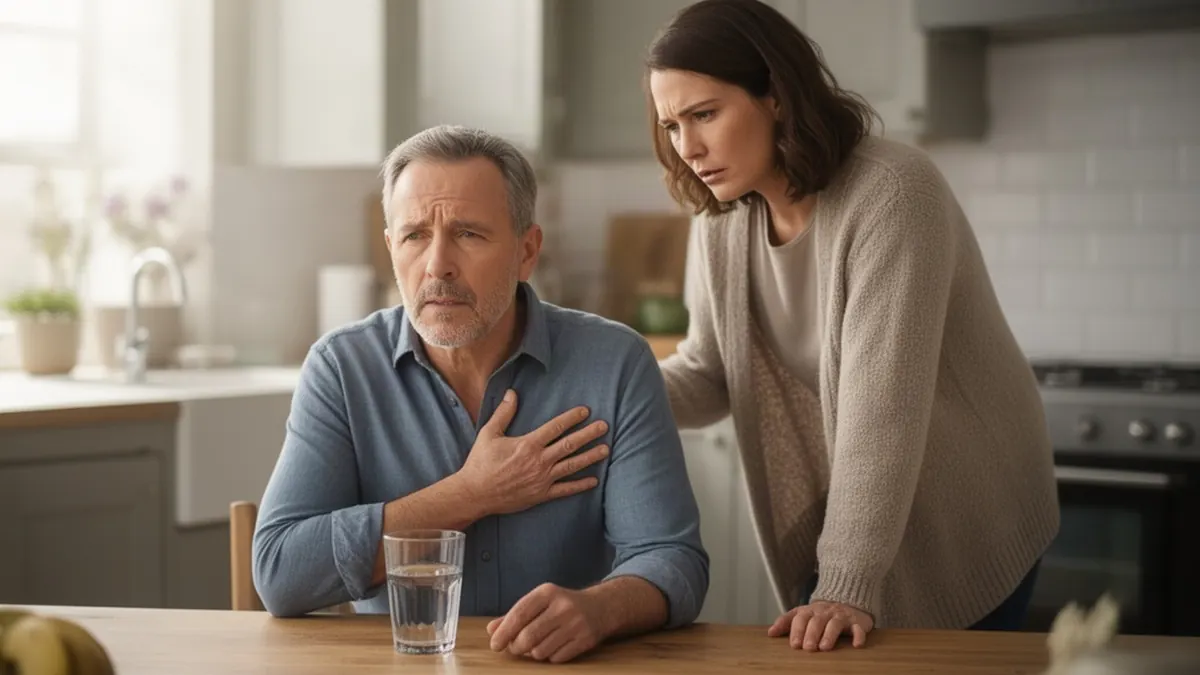
Heart disease remains one of the most common causes of illness and death in men in the United States, but many warning signs are subtle or mistaken for stress, indigestion, or normal aging. Men may also delay care because symptoms seem mild or come and go. Understanding the warning signs, risk factors, and when to seek medical help can make a meaningful difference in outcomes.
Why heart disease can be easy to miss in men
Heart problems do not always begin with sudden chest pain. In many men, symptoms develop gradually and may be vague, which makes them easier to dismiss. You might notice reduced exercise tolerance, unusual fatigue, or discomfort that seems related to digestion or muscle strain.
Risk factors often build over time. High blood pressure, high cholesterol, diabetes, smoking, excess weight, stress, poor sleep, and a family history of early heart disease can all increase the chance of a heart attack or stroke. Even men who feel generally healthy can have serious cardiovascular risk without obvious symptoms.
- Symptoms may be mild or come and go
- Risk can be present even without obvious illness
- Routine screening helps catch problems earlier
Chest discomfort, pressure, or pain
Chest discomfort is one of the best-known warning signs of heart disease, but it does not always feel like sharp pain. Men may describe pressure, tightness, squeezing, heaviness, burning, or a feeling that something is sitting on the chest. It may happen during activity, emotional stress, or even at rest.
Do not assume chest symptoms are “just heartburn” or a pulled muscle, especially if they come with sweating, shortness of breath, nausea, dizziness, or pain that spreads to the arm, jaw, back, or shoulder. Any new or unexplained chest symptom deserves prompt medical evaluation. If the discomfort is severe, persistent, or occurs with other symptoms, call 911 immediately.
- Pressure, squeezing, tightness, or heaviness
- Pain can spread to the arm, jaw, back, or shoulder
- Emergency care is needed if symptoms are severe or sudden
Shortness of breath, fatigue, and reduced stamina
Breathing trouble can be a sign that the heart is not pumping efficiently, especially if it happens during normal activity or gets worse over time. Some men notice they cannot keep up with stairs, walking, chores, or exercise the way they used to. Others feel winded when lying flat or wake up short of breath at night.
Unusual fatigue is another important clue. If you are more tired than expected despite adequate sleep, or if routine tasks suddenly feel harder, heart disease should be considered—particularly when fatigue occurs along with chest symptoms, swelling, or lightheadedness. These changes can be easy to blame on age, work stress, or being out of shape, but they should not be ignored.
- Trouble breathing with activity or at rest
- New decline in stamina or exercise tolerance
- Fatigue that does not match your usual routine
Warning signs that can look unrelated to the heart
Heart disease symptoms are not always centered in the chest. Men may feel pain or pressure in the back, neck, jaw, or left arm. Some notice indigestion, nausea, sweating, or a sudden sense that something is wrong. These symptoms can happen with a heart attack, especially when they appear together or come on suddenly.
Palpitations, fainting, or a racing or irregular heartbeat can also be concerning. While these symptoms may have other causes, they can signal an abnormal heart rhythm or reduced blood flow. If you develop dizziness, weakness, pale skin, cold sweats, or near-fainting along with heart-related symptoms, seek urgent medical attention.
- Back, jaw, neck, or arm discomfort
- Nausea, sweating, or indigestion-like symptoms
- Palpitations, dizziness, or fainting
Blood pressure and cholesterol: two major risk factors you can treat
High blood pressure and high LDL cholesterol often cause no symptoms, which is why they are sometimes called silent risk factors. Over time, they can damage arteries and make heart attack and stroke more likely. Regular checkups are important because many men do not know they have these problems until a complication occurs.
If your clinician prescribes a medicine such as amlodipine for blood pressure or atorvastatin for cholesterol, taking it as directed can be an important part of risk reduction. Amlodipine helps relax and widen blood vessels, which lowers blood pressure. Atorvastatin helps reduce LDL cholesterol and can lower the risk of cardiovascular events in appropriate patients. These medicines work best along with healthy habits and ongoing medical follow-up, not as a substitute for them.
- Blood pressure and cholesterol can be high without symptoms
- Amlodipine is used to help lower blood pressure
- Atorvastatin is used to help lower LDL cholesterol and cardiovascular risk
When to call a doctor and how to protect your heart
If you have ongoing chest discomfort, shortness of breath, swelling in the legs, unusual fatigue, palpitations, or reduced stamina, make an appointment with a healthcare professional soon. Even if symptoms improve, they should be checked. It is also wise to talk with your doctor about your blood pressure, cholesterol, blood sugar, smoking status, weight, sleep, and family history.
Some heart problems require emergency care. Call 911 if you have severe chest pain or pressure, shortness of breath that is sudden or severe, symptoms with fainting, or signs of a heart attack or stroke. If you are at risk, prevention matters too: eat a heart-healthy diet, stay physically active, limit alcohol, avoid tobacco, sleep well, manage stress, and take prescribed medicines consistently.
- Do not wait for symptoms to become severe
- Seek emergency care for sudden or intense symptoms
- Regular screening and daily habits both matter
Medicines mentioned in this article
- Atocor 80 Tabletfrom $79.99
- Atorva 80 mg Tabletfrom $87.99
- Tonact 10 Tabletfrom $37.99
- Aldo 10 Tabletfrom $76.99
- Amcard 10 Tabletfrom $47.99
- Amcard 2.5 Tabletfrom $51.99
Common questions
What are the most common heart warning signs in men?
Chest pressure or pain, shortness of breath, unusual fatigue, and pain that spreads to the arm, jaw, back, or shoulder are common warning signs. Some men also notice sweating, nausea, dizziness, palpitations, or a sudden drop in exercise tolerance.
Can heart disease happen without chest pain?
Yes. Some heart problems cause only fatigue, breathlessness, indigestion-like symptoms, or discomfort in the jaw, back, or arm. Because symptoms can be subtle, it is important to pay attention to changes that are new, worsening, or unexplained.
How do amlodipine and atorvastatin fit into heart health?
Amlodipine is often prescribed to lower blood pressure, which helps reduce strain on the heart and blood vessels. Atorvastatin lowers LDL cholesterol and may lower cardiovascular risk in people who need it; your clinician can decide whether these medicines are appropriate for you.
When should I seek emergency care for possible heart symptoms?
Call 911 if you have severe chest pressure or pain, sudden shortness of breath, fainting, or symptoms that suggest a heart attack or stroke. Do not drive yourself if symptoms are intense or worsening, and do not wait to see if they go away on their own.