
Best Foods for Strong Erections and Male Sexual Health
Published October 24, 2026
Medically reviewed by Chep Meds USA Pharmacy Team
Content checked by our licensed pharmacists for accuracy against standard prescribing information. Last reviewed October 2026. Our editorial policy
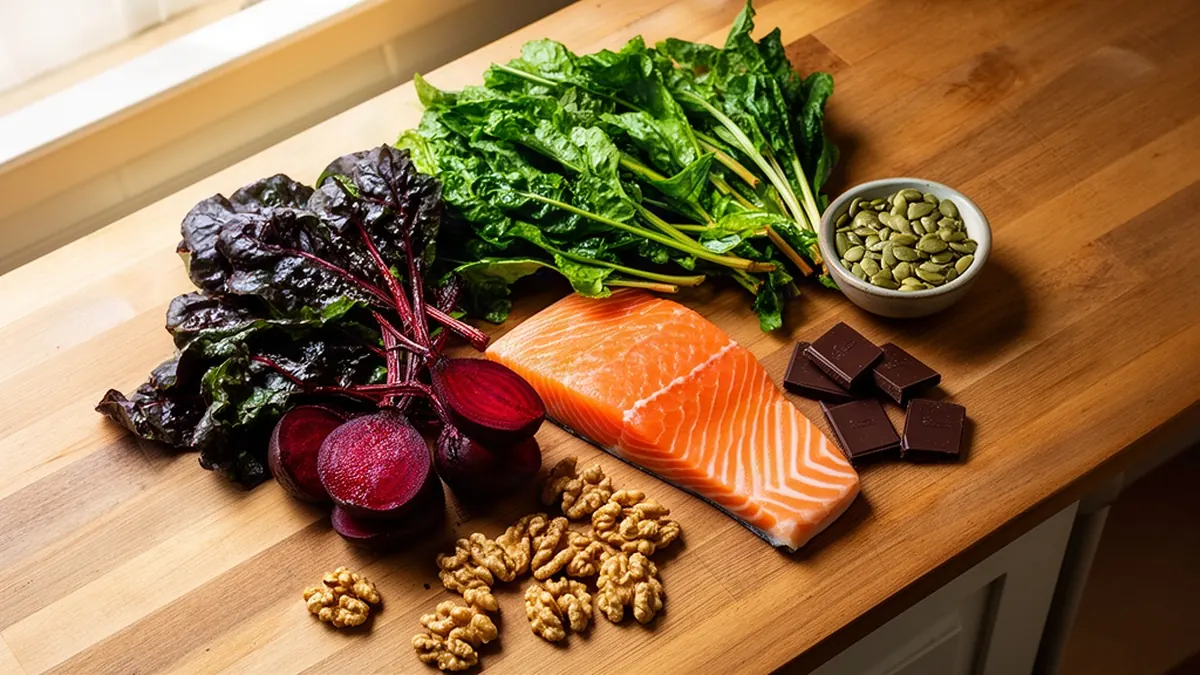
You're standing in the grocery store, cart half-full of whatever looked good, and sexual health is probably the last thing on your mind. But here's the thing — the connection between your diet and your erections is about as direct as connections get in the human body. An erection is fundamentally a blood flow event. Arteries relax, blood rushes in, and pressure does the work. Anything that keeps your blood vessels healthy and your nitric oxide levels up is going to support that process. And a lot of that comes down to what you eat three times a day, every single day.
Why Food and Erections Are More Connected Than You Think
Think of your arteries like garden hoses. Plaque, inflammation, and poor circulation narrow that hose over time. Erectile dysfunction — especially in men under 60 — is often an early warning sign of cardiovascular problems, not just a standalone issue. So when a doc tells a 45-year-old that his ED is 'vascular in origin,' that's a clue about his heart health too.
Nitric oxide is the key molecule here. It's a gas your blood vessel walls produce to signal smooth muscle to relax and let blood flow freely. Certain foods directly boost nitric oxide production. Others reduce the oxidative stress that destroys it. Getting more of both types into your regular meals is a practical, low-cost strategy that works alongside — not instead of — any medical care you might need.
This isn't about eating one magic food once and seeing results. It's about consistent patterns over weeks and months. Small, steady changes to what you eat regularly tend to move the needle more than any single 'superfood' ever will.
Leafy Greens: Your Nitric Oxide Factory
Spinach, arugula, kale, and beet greens are loaded with dietary nitrates. Your body converts those nitrates into nitric oxide through a two-step process involving saliva and gut bacteria. A cup of spinach in a morning smoothie or a side salad at lunch — that's genuinely useful, not just health theater.
Arugula in particular has one of the highest nitrate contents of any salad green. Swap your iceberg for arugula on a sandwich and you're quietly doing something good for your vascular system every day. It's a tiny change with a legitimate physiological rationale behind it.
Cooking matters here too. Raw or lightly cooked greens preserve more nitrates than heavily boiled versions. A quick sauté in olive oil is fine. Boiling spinach into oblivion for 20 minutes and then dumping the water? You've just thrown a good chunk of the nitrate content down the drain.
- Spinach — high nitrate, easy to add to eggs or smoothies
- Arugula — one of the richest nitrate sources in the produce aisle
- Beet greens — often discarded, actually very high in nitrates
- Kale — solid nitrate content plus antioxidant vitamins C and E
Beets: The Underrated Blood Flow Booster
Beets deserve their own section because the research behind them is genuinely solid. They're among the most concentrated dietary sources of nitrates available. Studies have shown that beet juice can lower blood pressure within hours of drinking it — and lower blood pressure means better vascular tone everywhere, including the tissues involved in erections.
A small glass of pure beet juice — around 8 oz — before a workout became popular among endurance athletes for good reason. The same mechanism that helps muscles get more oxygen during a run is at work in sexual response. You don't need to slam beet juice every day, but adding roasted beets to your meals a few times a week is an easy, affordable habit.
One heads-up: beets will turn your urine and sometimes stool pink or red. Totally harmless, but it can startle you if you're not expecting it. Just wanted to mention that so you don't call your doctor in a panic.
Fatty Fish, Walnuts, and the Omega-3 Connection
Omega-3 fatty acids — EPA and DHA, found in salmon, sardines, mackerel, and to a lesser extent walnuts and flaxseed — reduce arterial inflammation and improve endothelial function. The endothelium is that thin inner lining of your blood vessels, and it's basically the tissue that produces nitric oxide. Keeping it healthy is central to keeping blood flow healthy.
Aim for two or three servings of fatty fish per week. A 4-oz piece of salmon at dinner twice a week is enough to make a difference over time. Sardines are cheaper and honestly underrated — mash them on whole-grain toast with a little mustard and you've got a fast, high-protein, omega-3-rich lunch for about $2.
Walnuts are worth calling out separately. A small handful — about 1 oz, or 14 walnut halves — gives you alpha-linolenic acid (ALA), which the body partially converts to EPA. Walnuts also contain arginine, an amino acid that's a direct precursor to nitric oxide. Snack on them instead of chips a few days a week and you're stacking two benefits at once.
- Salmon — rich in EPA and DHA, supports endothelial health
- Sardines — affordable omega-3 source, high in zinc too
- Mackerel — often overlooked, one of the highest omega-3 fish available
- Walnuts — ALA plus arginine, a solid daily snack swap
Dark Chocolate, Flavonoids, and Blood Vessel Flexibility
Good news actually exists in nutrition, and dark chocolate is part of it. Cocoa flavonoids — specifically epicatechin — have been shown in multiple studies to improve endothelial function and lower blood pressure. A Harvard study found that men who consumed flavonoid-rich foods regularly had significantly lower rates of erectile dysfunction.
We're talking about 70% cocoa or higher. A square or two of good dark chocolate — maybe 1 oz — a few times a week gives you a meaningful dose of epicatechin without loading you up with sugar. Milk chocolate doesn't cut it here; the processing and added sugar strip out a lot of the beneficial compounds.
Other flavonoid-rich foods include blueberries, strawberries, citrus, and red wine in moderation. The pattern across these is consistent — regular consumption of diverse flavonoid sources correlates with better vascular health and, in men specifically, lower ED risk. It's not magic. It's consistent biochemistry.
Zinc, Testosterone, and the Oyster Cliché That's Actually True
Yes, oysters and aphrodisiacs — you've heard it before. But the mechanism is real. Oysters are the single most concentrated dietary source of zinc available. Six medium oysters contain more than 30 mg of zinc, well above the daily requirement for adult men. Zinc is a cofactor in testosterone synthesis. Low zinc is directly linked to low testosterone, and low testosterone affects libido, energy, and sexual function.
You don't have to eat oysters to get enough zinc. Beef, pumpkin seeds, chickpeas, and fortified cereals all contribute. A 3-oz serving of cooked beef chuck has about 7 mg of zinc. A quarter cup of pumpkin seeds gives you roughly 2-3 mg. Vegetarians and vegans are more likely to be zinc-deficient because plant-based zinc is less bioavailable — if that's you, it's worth getting your levels checked.
Alcohol, on the other hand, depletes zinc and also suppresses testosterone directly. A glass of wine with dinner isn't going to wreck your hormones. But heavy regular drinking? That's a different story, and it's one of the most overlooked dietary factors in male sexual health.
- Oysters — highest zinc content of any food
- Beef chuck — solid zinc source, widely available
- Pumpkin seeds — good plant-based zinc, easy to add to salads
- Chickpeas — zinc plus fiber, testosterone-supportive diet staple
What to Cut Back On (Without Going Crazy About It)
Ultra-processed foods — fast food, packaged snacks, sugary drinks — are consistently associated with endothelial dysfunction and higher ED rates. They drive inflammation, contribute to insulin resistance, and raise triglycerides, all of which hurt blood vessel function. You don't need to eat perfectly. But if your diet is mostly processed stuff, that's the single highest-leverage thing to change.
Trans fats are largely out of the US food supply now, but saturated fat in large amounts still matters for cardiovascular risk. Swap some of the red meat for fish a couple of times a week. Use olive oil instead of butter when it makes sense. These aren't dramatic sacrifices — they're just gradual shifts in the direction of a Mediterranean-style pattern, which happens to be the dietary pattern most consistently linked with lower ED risk in research.
And please — if you're having persistent ED, talk to your doctor. Diet helps, genuinely. But ED can also be a sign of diabetes, high blood pressure, low testosterone, or medication side effects, all of which need proper evaluation. Food is supportive, not a substitute for a real clinical workup.
Common questions
How long does it take for dietary changes to improve erections?
Most vascular changes from diet happen gradually over weeks to months of consistent eating habits — don't expect results in a few days. Some things like nitrate-rich foods can have modest acute effects on blood pressure within hours, but meaningful improvement in erectile function generally takes at least 4–12 weeks of sustained dietary change. Think of it as a long game.
Can food alone fix erectile dysfunction?
It depends on the cause and severity. For mild ED driven largely by poor diet, weight gain, and low physical activity, dietary improvements combined with exercise can make a significant difference. But if ED is moderate to severe, or if there's an underlying condition like diabetes or low testosterone, food alone usually isn't enough and you should see a doctor.
Is there a specific diet proven to help with male sexual health?
The Mediterranean diet has the strongest and most consistent evidence behind it for both cardiovascular health and erectile function. It emphasizes vegetables, legumes, fish, olive oil, whole grains, and limited processed foods. You don't need to follow it strictly — even moving partway toward that pattern makes a measurable difference.
Do testosterone-boosting supplements work better than food for sexual health?
Most over-the-counter 'testosterone booster' supplements have very limited clinical evidence behind them and the FDA doesn't regulate them the same way as medications. Getting adequate zinc, vitamin D, and healthy fats from food is more reliably effective for most men. If you actually have low testosterone, a doctor can test you and discuss whether prescription testosterone therapy is appropriate.