
Foods That Fight Erectile Dysfunction and Boost Sexual Health
Published October 24, 2026
Medically reviewed by Chep Meds USA Pharmacy Team
Content checked by our licensed pharmacists for accuracy against standard prescribing information. Last reviewed October 2026. Our editorial policy
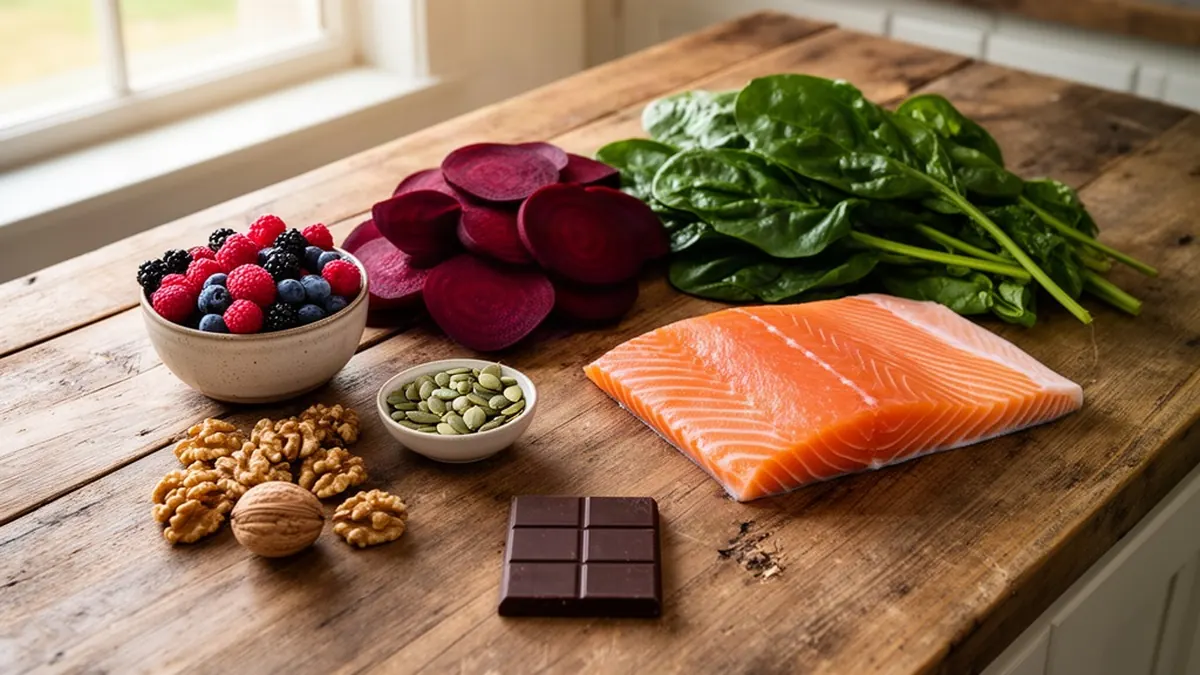
You're at the grocery store on a Tuesday evening, tossing the usual stuff in the cart—rotisserie chicken, a bag of salad, maybe some chips. Sexual health is probably the last thing on your mind. But here's the thing: the choices you make in that aisle, week after week, shape the health of every blood vessel in your body, including the ones that make an erection possible. ED isn't just a bedroom problem. It's often a circulation problem, a hormonal problem, sometimes an anxiety problem. And while no food is a substitute for a conversation with your doctor or for medication when medication is genuinely needed, diet is one of the most underused, zero-cost levers men have. Let's talk about what's actually worth putting on your plate.
Why Blood Flow Is the Real Story Here
An erection depends on blood flowing into the penile tissue and staying there. That process is governed largely by nitric oxide—a molecule your blood vessel walls produce to signal smooth muscle to relax and let blood rush in. If your arteries are stiff, inflamed, or narrowed from years of poor diet, that signal gets muffled. Think of it like trying to fill a garden hose that's kinked in three places.
This is exactly why erectile dysfunction is considered an early warning sign of cardiovascular disease. The arteries in the penis are smaller than coronary arteries, so they show damage sooner. That's not meant to scare you—it's meant to show you that eating for your heart is eating for sexual health. Same foods, same logic, same benefit.
So when you see a food on this list, ask yourself: does it boost nitric oxide production, reduce inflammation, improve testosterone levels, or protect blood vessel walls? Those are the four levers we care about.
Leafy Greens and Beets: Your Nitric Oxide Boosters
Spinach, arugula, kale, Swiss chard, and beets are loaded with dietary nitrates. Your body converts those nitrates into nitric oxide. It's a fairly direct pipeline. Studies have shown that drinking about 500 mL of beet juice (roughly two cups) can meaningfully raise plasma nitrate levels within a couple of hours. That's not magic—that's biochemistry.
Arugula is worth a special mention because it has some of the highest nitrate content per serving of any common salad green. Toss it with olive oil and a little lemon and you've got a side dish that genuinely does something. Same goes for spinach in a smoothie or sautéed with garlic as a quick dinner side.
You don't need to overhaul your entire diet. Even adding one leafy green serving daily—say, a big handful of spinach in scrambled eggs every morning—starts shifting your nitric oxide baseline over weeks. Small, consistent, repeatable.
- Spinach – high in nitrates and magnesium, which supports blood flow
- Arugula – one of the highest dietary nitrate vegetables available
- Beets – proven to raise nitric oxide levels within hours
- Swiss chard – also delivers potassium for blood pressure support
Fatty Fish, Walnuts, and the Inflammation Connection
Chronic low-grade inflammation is quietly damaging blood vessels in millions of American men right now. Omega-3 fatty acids from sources like salmon, sardines, mackerel, and walnuts help counter that. They lower triglycerides, reduce inflammatory markers like CRP, and keep arterial walls more flexible. A can of sardines costs under two dollars. That's hard to beat for a cardiovascular intervention.
Aim for two servings of fatty fish per week—that's the general recommendation from the American Heart Association, and it lines up well with what the sexual health research supports too. If fish isn't your thing, a small handful of walnuts (about 1 oz, or 14 walnut halves) daily has shown benefits in some studies specifically looking at sexual function in younger men.
One important note: if you're taking blood thinners like warfarin, high-dose fish oil supplements can interact with your medication. Food amounts are generally fine, but always loop your pharmacist or doctor in before starting any concentrated omega-3 supplement.
- Salmon – 2 servings/week is a practical, evidence-backed target
- Sardines – cheap, portable, and high in omega-3s
- Mackerel – often overlooked but excellent for vascular health
- Walnuts – the only tree nut with significant omega-3 content
Flavonoid-Rich Foods: Berries, Dark Chocolate, and Red Wine (Sort Of)
A large Harvard study following over 25,000 men found that those with higher intake of flavonoids—plant compounds found in berries, citrus, apples, and cocoa—had a significantly lower risk of ED. Blueberries and strawberries came out especially well in that data. The mechanism is partly nitric oxide, partly antioxidant protection of blood vessel linings, and partly improved insulin sensitivity.
Dark chocolate with 70% or higher cocoa content contains flavanols that have been shown to improve endothelial function—that's the inner lining of your blood vessels. A square or two a day is a reasonable, enjoyable habit. We're not talking about a full bar. Moderation matters here because chocolate also comes with calories and sugar.
Red wine gets brought up constantly in this context, and the flavonoids (specifically resveratrol) are real. But here's the honest truth: alcohol suppresses testosterone and impairs nerve signaling, and those effects tend to outweigh the flavonoid benefit once you're having more than one drink. A glass occasionally? Probably fine. Using red wine as your flavonoid strategy? There are better options.
Zinc, Testosterone, and the Foods That Supply Both
Testosterone doesn't get made from nothing. Zinc is a cofactor in testosterone synthesis, and a lot of American men are mildly zinc-deficient without knowing it—especially older men, heavy drinkers, or anyone on a plant-heavy diet without much attention to absorption. Low zinc means lower testosterone over time. Lower testosterone means lower libido and, often, more difficulty with erections.
Oysters have become the famous example here, and the reputation is deserved—they have more zinc per serving than almost any other food. Six raw oysters give you several times your daily requirement. But you don't need to eat oysters to cover your zinc needs. Lean red meat, pumpkin seeds, cashews, chickpeas, and fortified cereals all contribute meaningfully.
Pumpkin seeds are worth highlighting because they're easy to keep on your desk as a snack—about a quarter cup gives you roughly 2-3 mg of zinc and also delivers magnesium, which supports testosterone and sleep quality. Sleep, by the way, is when a significant chunk of your daily testosterone gets produced. Poor sleep tanks your levels fast.
- Oysters – highest zinc concentration of any common food
- Lean beef or lamb – good zinc source without excess saturated fat
- Pumpkin seeds – convenient, high in zinc and magnesium
- Cashews and chickpeas – solid plant-based zinc options
What to Cut Back On (Because It Matters Just as Much)
This isn't all about addition. What you eat less of shapes your vascular health just as much as what you add. Heavily processed foods—fast food, packaged snacks, deli meats—are high in sodium, trans fats, and refined carbohydrates. These drive up blood pressure, promote arterial stiffness, and dysregulate blood sugar. All three of those effects directly undermine erectile function.
Sugar is the sneaky one. High blood sugar damages small blood vessels and impairs nitric oxide production. Men with uncontrolled diabetes have significantly higher rates of ED for exactly this reason. You don't have to eat zero sugar—that's not realistic. But swapping the daily soda for sparkling water and cutting back on dessert to a few times a week is a concrete move that compounds over months.
Alcohol deserves another mention here. More than two drinks on any given day blunts testosterone, dampens the nervous system's sexual signaling, and can contribute to weight gain around the abdomen—which itself lowers testosterone by converting it to estrogen. The relationship between alcohol and ED is dose-dependent. One drink, probably minimal impact. Three or more regularly? It adds up.
Putting It Together Without Overthinking It
You don't need a special diet or an expensive supplement protocol. The Mediterranean-style eating pattern—olive oil, fish, vegetables, legumes, some whole grains, fruit, nuts—hits almost every mechanism we've talked about. It boosts nitric oxide, reduces inflammation, supports healthy testosterone, and protects blood vessels. Multiple studies have linked it directly to lower rates of ED and better sexual satisfaction scores in men.
A realistic starting point: add one leafy green per day, swap one red meat meal per week for fatty fish, eat a small handful of nuts as your afternoon snack instead of chips, and cut your soda intake in half. Those four changes are manageable and they stack. You'll notice a difference in your energy and cardiovascular fitness within a few weeks, and sexual health often follows.
If you're already eating well and still struggling with ED, please talk to your doctor. Food is powerful, but it doesn't fix structural issues, hormonal disorders, nerve damage from diabetes, or psychological contributors like performance anxiety. There are safe, effective medications for ED and your doctor can help you figure out whether they're right for you. Diet and medicine aren't either-or—they work together.
Common questions
How long does it take for dietary changes to improve erectile function?
Most men who make consistent diet changes see improvements in general cardiovascular markers—blood pressure, cholesterol, energy—within 4 to 12 weeks. Sexual function tends to follow that same timeline, though individual results vary a lot depending on the underlying cause of the ED. If there's no improvement after 2-3 months of genuine dietary effort, it's worth seeing your doctor to check for other contributing factors.
Are there any foods that work like Viagra?
No food works like a PDE5 inhibitor—that's just not how plant compounds function in the body. Some foods, like beets and leafy greens, do boost nitric oxide in a mechanistically similar general direction, but the effect is far more modest and slower. Think of food as long-term maintenance, not acute treatment.
Can too much of a 'good' food for ED backfire?
Yes, actually. Beet juice in very large quantities can drop blood pressure significantly, which is a problem if you're already on blood pressure medication or nitrates for heart disease. The same applies to grapefruit—it's healthy in general but interferes with the metabolism of several common medications. Always mention major dietary changes to your pharmacist or doctor if you're on any regular prescriptions.
Do these dietary recommendations apply to men of all ages?
Broadly yes, but the relative importance of different factors shifts with age. In men under 40, psychological and lifestyle factors (stress, alcohol, poor sleep, low exercise) tend to dominate. In men over 50, vascular disease and hormonal changes become more significant drivers. Diet helps across all ages, but older men may need more targeted medical evaluation alongside dietary changes.