
How Alcohol Affects Testosterone in Men: What Every Guy Should Know
Published October 24, 2026
Medically reviewed by Chep Meds USA Pharmacy Team
Content checked by our licensed pharmacists for accuracy against standard prescribing information. Last reviewed October 2026. Our editorial policy
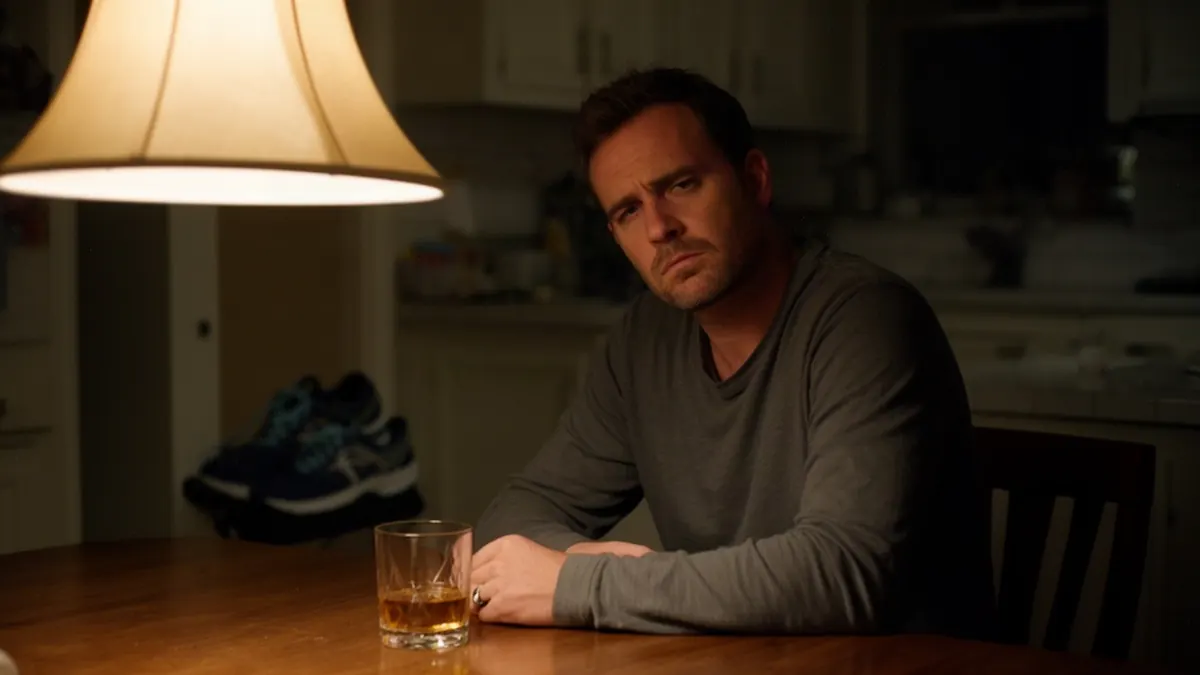
Picture this: you're 38, you feel tired more often than you used to, your gym gains have stalled, and your interest in sex has quietly dropped off. You blame work stress, maybe sleep. But here's a question worth sitting with — how much are you drinking? Even moderate, socially normal drinking can chip away at testosterone, the hormone that drives energy, muscle mass, mood, and libido in men. I'm not talking about a dramatic rock-bottom scenario. I'm talking about the Wednesday whiskey, the six-pack on a football Sunday, the 'just a couple glasses of wine with dinner' that became a nightly ritual. The connection between alcohol and testosterone is real, well-studied, and almost never discussed at a regular doctor's visit.
What Testosterone Actually Does in Your Body
Testosterone isn't just about sex drive, though that's what most people think first. It's the hormone behind muscle protein synthesis, bone density, red blood cell production, fat distribution, and even your competitive drive and confidence. When levels drop, you feel it across the board — not just in the bedroom.
Normal total testosterone in adult men runs roughly 300 to 1,000 ng/dL depending on the lab. Levels naturally decline about 1% per year after age 30. That's gradual enough that most guys don't notice until they're staring at a blood test result and wondering how they ended up at 280. Alcohol can accelerate that slide significantly.
The thing is, low testosterone doesn't announce itself loudly. It creeps in as fatigue, as brain fog, as that persistent feeling that you've lost some edge. Connecting it to alcohol takes a little detective work — which is exactly why so many men miss it.
The Three Ways Alcohol Lowers Testosterone
Alcohol attacks testosterone from several angles at once, which is part of why the effect is so consistent in research. First, it directly impairs the Leydig cells in the testes. These are the cells that manufacture testosterone. Ethanol and its toxic metabolite acetaldehyde basically poison them. One study found Leydig cell damage in men who drank heavily for as little as a few weeks.
Second, alcohol elevates cortisol. Cortisol and testosterone have an inverse relationship — when one goes up, the other tends to go down. A stressful day plus a few drinks is a double hit to your hormone levels. Third, alcohol disrupts the hypothalamic-pituitary-gonadal axis, which is the signaling chain your brain uses to tell the testes to produce testosterone in the first place. Disrupt the signal, and production slows even if the testes themselves are fine.
There's also a fourth mechanism worth mentioning: alcohol increases the conversion of testosterone to estrogen through a process called aromatization, particularly in fatty tissue. So not only are you making less testosterone, you're also converting more of what you do make into estrogen. That's a bad deal.
- Direct Leydig cell damage from ethanol and acetaldehyde
- Elevated cortisol competes with and suppresses testosterone
- Disruption of brain-to-testes hormone signaling
- Increased aromatization converting testosterone to estrogen
Does It Matter How Much You Drink?
Yes, a lot. Acute heavy drinking — think binge drinking, five or more drinks in a session — causes a measurable drop in testosterone within hours. Studies have documented drops of 20 to 25% the morning after a heavy night. That's not trivial. For a man already on the lower end of normal, that dip can push him into the symptomatic range.
Chronic heavy drinking is where the damage gets serious. Men with alcohol use disorder show significantly lower testosterone levels, testicular atrophy, and in some cases, permanent reproductive damage. These aren't rare edge cases. They're common findings in addiction medicine.
But here's where it gets more nuanced. What about moderate drinking — the CDC's definition of up to two drinks per day for men? The research is genuinely mixed here. Some studies show even moderate daily drinking causes small but cumulative testosterone suppression over time. Others show minimal effect. What's clear is that the more you drink and the more consistently you drink, the worse the outcome for your testosterone. There doesn't appear to be a 'safe' daily amount that comes with a hormonal free pass.
Signs Your Testosterone May Be Taking a Hit
You might not connect these symptoms to your drinking at all. That's the tricky part. Low libido, fatigue that sleep doesn't fix, slower recovery after workouts, loss of morning erections, increased body fat especially around the belly and chest — these are classic low testosterone symptoms. They're also symptoms that men tend to chalk up to getting older or being stressed.
Mood changes matter here too. Irritability, low motivation, mild depression, that flatness where things that used to excite you just don't anymore. Testosterone plays a real role in male mood regulation. When it's suppressed, mental life can go gray in a way that's hard to articulate.
If several of these resonate with you and you're drinking regularly, it's worth a conversation with your doctor and a simple blood test. A morning total testosterone measurement plus free testosterone gives you a solid baseline. Don't diagnose yourself, but don't ignore the pattern either.
- Low sex drive or fewer spontaneous erections
- Persistent fatigue even with adequate sleep
- Stalled or reversed muscle gains despite training
- Increased belly fat or breast tissue
- Mood flatness, low motivation, or irritability
- Slower recovery from physical exertion
What Happens When You Quit or Cut Back
Here's the genuinely encouraging part. Testosterone levels start recovering fairly quickly once alcohol is removed. Studies on men who quit drinking show measurable improvements in testosterone within three to four weeks of abstinence. For men with less severe use, some research shows recovery in as little as a few days.
The recovery isn't always complete, especially after years of heavy drinking where structural damage to the testes has occurred. But for most men who've been drinking at moderate to heavy levels, cutting back substantially — or stopping — leads to real, measurable hormonal improvement. Better sleep (which itself boosts testosterone) is part of the recovery loop too.
Cutting back doesn't have to mean never drinking again. But replacing nightly drinks with two or three nights a week, and keeping those occasions to one or two drinks, makes a real difference. Think of it less as deprivation and more as getting back something you didn't realize alcohol was taking.
Other Lifestyle Factors That Work With or Against You
Sleep is probably the biggest one. Most testosterone secretion happens during deep sleep. Poor sleep, whether from alcohol (which fragments sleep architecture, even when it helps you fall asleep faster) or any other cause, directly suppresses morning testosterone levels. Getting seven to nine solid hours changes the picture significantly.
Resistance training — lifting weights, specifically — is one of the most reliable natural testosterone boosters known. Even two to three sessions a week produces measurable hormonal benefits over time. Combine that with cutting back drinking and fixing your sleep, and you're looking at a compounding effect. None of these things are quick fixes, but they're real ones.
Body fat matters too. Adipose tissue, especially visceral fat, contains aromatase enzyme. More belly fat means more testosterone-to-estrogen conversion. Alcohol contributes to fat gain, which then accelerates hormonal imbalance. It's a cycle, but it's also a cycle you can interrupt.
- Prioritize 7-9 hours of quality sleep nightly
- Add resistance training 2-3 times per week
- Reduce visceral fat through diet and movement
- Manage chronic stress to keep cortisol in check
- Limit ultra-processed foods that promote inflammation
When to Talk to a Doctor
If you've cut your drinking significantly and waited six to eight weeks but still feel off — low energy, low libido, mood problems — get your testosterone checked. A primary care doctor can order the test, or you can see an endocrinologist or a men's health specialist. Don't self-diagnose and don't start buying testosterone supplements off the internet without proper evaluation first.
If your testosterone genuinely turns out to be clinically low (typically under 300 ng/dL with symptoms), your doctor will discuss options including testosterone replacement therapy. That's a real treatment conversation, not one to skip or rush. TRT has benefits but also real risks and considerations that require professional guidance.
What I'd say is this: don't wait until things feel really bad to pay attention. A simple blood test and an honest look at your drinking habits is a low-cost, high-information starting point. You deserve to feel like yourself.
Common questions
Can one night of drinking really lower testosterone?
Yes, acutely. Studies show testosterone can drop 20% or more the morning after heavy drinking. A single moderate night probably won't cause lasting damage, but the pattern matters — frequent nights out compound into chronic suppression over time.
Does beer affect testosterone more than wine or spirits?
The ethanol itself is the main culprit regardless of form. That said, hops in beer contain phytoestrogens, plant compounds that can mildly mimic estrogen, so beer may have a slight additional hormonal effect. But honestly, the alcohol content is the dominant factor across all drink types.
How long after quitting alcohol does testosterone recover?
For moderate drinkers, you may see meaningful improvement within two to four weeks of abstinence. Heavier, longer-term drinkers may take several months and may not fully return to their prior baseline if permanent testicular damage has occurred. Your doctor can monitor this with blood tests.
Is low testosterone from alcohol the same as hypogonadism?
Functionally, alcohol-induced low testosterone looks a lot like hypogonadism and causes the same symptoms. The distinction matters for treatment, though — if alcohol is the cause and you remove it, testosterone can recover without medical intervention, whereas primary hypogonadism typically requires ongoing treatment.