
What Really Causes Low Testosterone in Men?
Published October 24, 2026
Medically reviewed by Chep Meds USA Pharmacy Team
Content checked by our licensed pharmacists for accuracy against standard prescribing information. Last reviewed October 2026. Our editorial policy
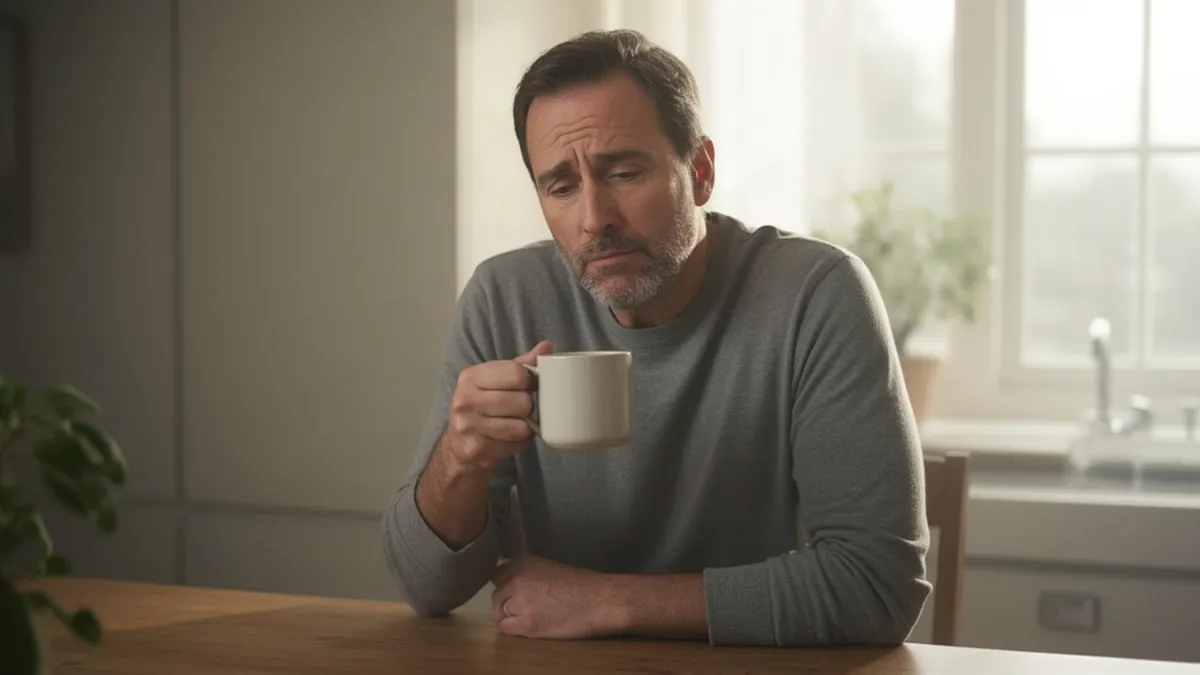
You're tired all the time, your gym sessions feel pointless, and your interest in sex has quietly dropped off a cliff. Maybe you've blamed stress, or bad sleep, or just 'getting older.' A lot of men do. But here's the thing — low testosterone has specific causes, and age is only one of them. In fact, I've seen guys in their late twenties with genuinely low T, and men in their sixties with levels most thirty-year-olds would envy. So if you're trying to figure out what's actually driving your symptoms, you need to look past the generic 'it's just aging' explanation and dig into what's really going on.
Age Matters, But Not as Much as You Think
Yes, testosterone does decline with age. Starting somewhere around 30 to 35, men lose roughly 1-2% of their total testosterone per year. That's real. But that slow, gradual slide is very different from the sharp drop that makes a man feel genuinely awful at 45 or even 38.
When a guy comes in feeling terrible and his lab work shows testosterone at, say, 180 ng/dL, age alone rarely explains that. Normal levels for adult men run from about 300 to 1000 ng/dL depending on the lab. A 60-year-old with good lifestyle habits can sit comfortably at 500. A sedentary 35-year-old with untreated sleep apnea might be at 220. Age sets the background; everything else pulls the trigger.
So if you're under 50 and your levels are in the tank, please don't just accept 'you're getting older' as the full answer. Push for a proper workup.
Body Fat Is a Bigger Driver Than Most Men Realize
Fat tissue — especially the stuff packed around your belly — contains an enzyme called aromatase. Aromatase converts testosterone into estrogen. More body fat means more aromatase, which means more of your testosterone quietly gets converted before it can do anything useful. This is why men with obesity often have low T even when their testes are working fine.
It's a frustrating cycle too. Low testosterone makes it harder to build muscle and easier to gain fat. More fat lowers testosterone further. Round and round it goes. I've watched patients break this cycle by losing 20 to 30 pounds — sometimes their testosterone climbed by 100 to 150 points without any medication at all.
If your waist circumference is above 40 inches, that's a meaningful risk factor. Not a guarantee of low T, but worth factoring in when you're looking at your labs.
- Visceral belly fat is the most metabolically active type
- Aromatase activity increases as body fat percentage rises
- Even modest fat loss — 10% of body weight — can shift hormone levels noticeably
Sleep Apnea: The Cause Nobody Talks About Enough
Most testosterone is produced during deep sleep. Not any sleep — specifically those slow-wave and REM stages your body cycles through at night. Disrupt that, and production drops. Sleep apnea disrupts it severely. You might be 'sleeping' eight hours but spending half of them in shallow, fragmented, oxygen-depleted cycles. Your brain never fully signals the testes to do their job.
Studies have shown that treating obstructive sleep apnea with a CPAP machine can raise testosterone levels meaningfully in men who previously tested low. No injections, no gels — just better breathing at night. I find that remarkable, honestly.
The tricky part? A lot of men with sleep apnea don't know they have it. Their partner might notice the snoring, or they wake up exhausted despite a full night in bed. If that sounds like you, ask your doctor about a sleep study before jumping to testosterone replacement.
Medications That Quietly Suppress Testosterone
This one surprises people. Several common prescription medications can lower testosterone levels — sometimes significantly. Opioid pain medications are the biggest offenders. Chronic opioid use suppresses the hypothalamus and pituitary gland, which are the control centers that tell your testes to produce testosterone in the first place. Even moderate doses over months can cause what's called opioid-induced hypogonadism.
Certain antidepressants and antipsychotics can also interfere with hormone signaling. So can some blood pressure medications, particularly spironolactone, which is sometimes prescribed off-label for various conditions. Anabolic steroid use — even past use — can permanently or semi-permanently suppress natural testosterone production by shutting down the body's own feedback system.
If you're on any long-term medications and your T levels are low, bring that complete medication list to whoever is evaluating you. Don't assume your prescribers are all talking to each other — they often aren't.
- Chronic opioids (oxycodone, hydrocodone, methadone) — high risk
- Anabolic steroids, even if stopped years ago
- Spironolactone and some antihypertensives
- Certain antipsychotics that raise prolactin levels
- Glucocorticoids (like prednisone) when used long-term
Chronic Stress and the Cortisol Problem
Cortisol is your stress hormone. In short bursts, it's helpful — it gets you through a crisis, sharpens your focus, keeps you alert. But chronically elevated cortisol actively suppresses testosterone production. The two hormones essentially compete for resources. Think of it as your body deciding: survival now versus reproduction later.
A man working 70-hour weeks, managing financial pressure, not sleeping enough, skipping meals — his cortisol is running high constantly. His body is stuck in a low-grade emergency mode. Testosterone drops as a result. This isn't a mental health lecture; it's biochemistry. The hormonal suppression from chronic stress is measurable on a blood test.
This is also why the advice to 'just relax more' isn't completely useless, even if it's annoyingly vague. Reducing cortisol burden — through actual structural changes in your life, not just meditation apps — genuinely moves the needle on hormone levels.
Medical Conditions That Directly Affect Hormone Production
Some men have low testosterone because of a specific underlying condition that directly impairs hormone production. Type 2 diabetes and insulin resistance are strongly associated with low T — the mechanisms overlap with the fat and inflammation picture we already talked about. Hypothyroidism can mimic low-T symptoms and sometimes suppresses testosterone indirectly. A high prolactin level — from a small pituitary tumor called a prolactinoma — can shut down testosterone production entirely.
Klinefelter syndrome, where a man is born with an extra X chromosome, is one of the most common but frequently undiagnosed causes of primary hypogonadism. Many men with Klinefelter's aren't diagnosed until they're adults, often when being evaluated for infertility or low T. Hemochromatosis — excess iron storage — can damage the pituitary gland and the testes themselves.
The point is: low testosterone is sometimes a symptom of something else that needs its own treatment. That's why a good evaluation goes beyond a single testosterone number. You want a full picture — LH, FSH, prolactin, thyroid, metabolic panel. Your doctor will know what to order.
- Type 2 diabetes and insulin resistance
- Hypothyroidism
- Elevated prolactin (check for prolactinoma)
- Klinefelter syndrome (47,XXY)
- Hemochromatosis
- Prior testicular injury, infection, or cancer treatment
What You Should Actually Do Next
Get a blood test — specifically a morning total testosterone, because levels peak early in the day and drop off as hours pass. Ideally get it confirmed with a second test on a separate morning before anyone makes any treatment decisions. If it's low, ask for LH, FSH, prolactin, SHBG, free testosterone, and a basic metabolic panel. That gives a real picture instead of a single data point.
Address the modifiable stuff first. Seriously. Sleep quality, body weight, alcohol intake (yes, heavy drinking lowers testosterone), exercise, and medication review — these aren't just lifestyle lectures. They're actual levers that move hormone levels. Some men get their numbers back into normal range without ever needing testosterone therapy.
If you do need treatment, that's a conversation with an endocrinologist or urologist who specializes in men's health. Testosterone replacement has real benefits and real risks, and the decision should be made carefully based on your full clinical picture — not because of a late-night ad. See a doctor you trust.
Common questions
Can low testosterone cause depression and anxiety?
It can, yes — and it often does. Low T is associated with low mood, irritability, difficulty concentrating, and a flattened emotional range. That said, depression itself can also suppress testosterone, so sometimes it's hard to know which came first. If you're struggling with mood alongside other low-T symptoms, mention both to your doctor.
Is 400 ng/dL considered low testosterone?
Not technically — most labs consider the normal range to start around 300 ng/dL. But symptoms matter as much as numbers. Some men feel fine at 400; others feel terrible. If you're symptomatic and your level is in the low-normal range, a good clinician will look at free testosterone and your overall picture rather than just saying 'you're in range, you're fine.'
Does alcohol really lower testosterone?
Heavy or chronic drinking does, yes. Alcohol interferes with the liver's ability to regulate sex hormone-binding globulin, and it directly impairs the testes. We're not talking about an occasional beer — we're talking about regular heavy use. Cutting back significantly can produce noticeable improvements in hormone levels over a few months.
If I exercise more, will my testosterone go up?
Resistance training — lifting weights — has the most evidence behind it for supporting testosterone levels. It helps reduce body fat and improves insulin sensitivity, both of which matter for hormone production. But extreme endurance training, like marathon-level volume, can actually suppress testosterone temporarily. Moderate, consistent strength training is your best bet.