
Will Quitting Alcohol Improve Erectile Dysfunction?
Published October 24, 2026
Medically reviewed by Chep Meds USA Pharmacy Team
Content checked by our licensed pharmacists for accuracy against standard prescribing information. Last reviewed October 2026. Our editorial policy
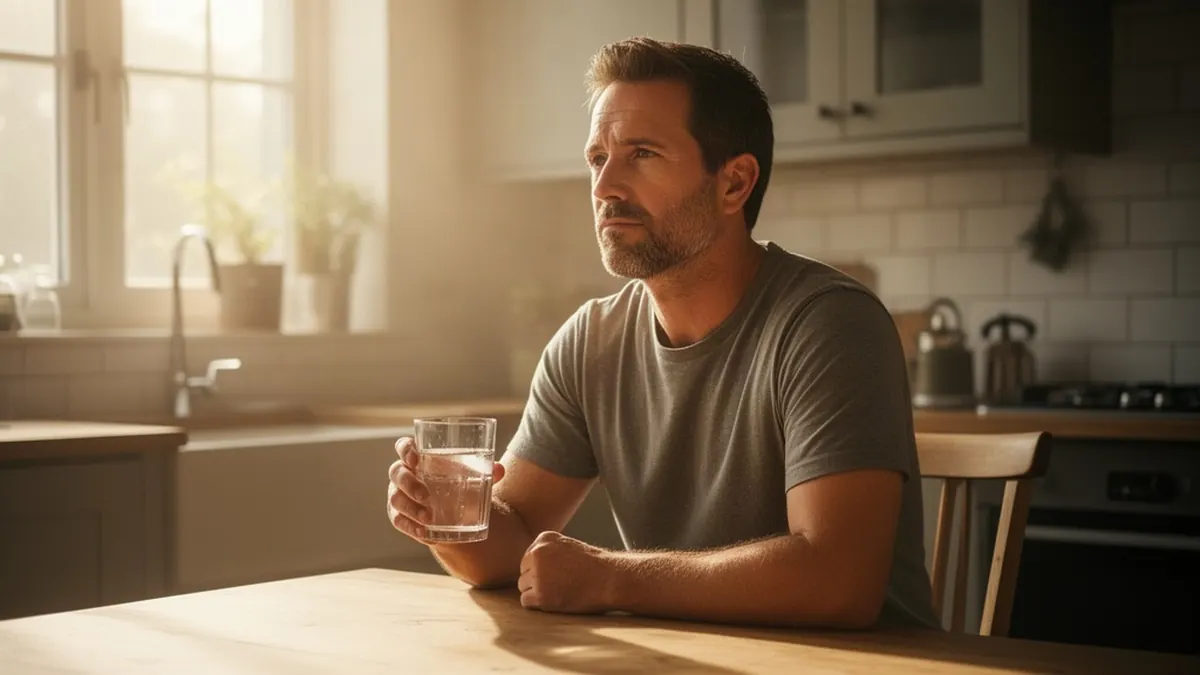
You had a few drinks at dinner, and later that night things just... didn't work. You chalked it up to a rough night. But then it happened again, and again, and suddenly you're wondering whether the bourbon habit you've had since your thirties is quietly wrecking your erections. That question — honest, a little uncomfortable — is one I hear more than you'd think. The connection between alcohol and erectile dysfunction is real, it's well-documented, and the good news is it's often reversible. But the timeline and the degree of recovery depend a lot on how much you drink, for how long, and what else is going on with your health. Let's get into it.
How Alcohol Messes With Erections in the First Place
An erection is basically a vascular event. Blood flows in, stays in, and the whole system depends on nerves firing correctly, smooth muscle relaxing, and hormones doing their job. Alcohol disrupts all three. Even a couple of drinks can temporarily blunt nerve signals and reduce testosterone — not a little, but measurably. One or two beers won't ruin most men's night, but five? That's a different story.
Chronically heavy drinking takes this further. Long-term alcohol use damages peripheral nerves — the same ones that trigger the physical response leading to an erection. It suppresses testosterone production at the testicular level and raises estrogen. It also beats up your liver, which matters because the liver helps regulate sex hormones. So you're hitting the system from multiple directions at once.
There's also the psychological layer. Heavy drinkers often develop anxiety, depression, or both. Those mental health effects independently cause ED. So even if the alcohol weren't doing direct physical damage, the mood disruption alone would be enough to create problems in the bedroom.
The Difference Between Occasional and Chronic Heavy Drinking
Not everyone who drinks is in the same situation. A guy who has three drinks at a wedding once a month and occasionally notices some bedroom lag is in completely different territory from someone drinking a six-pack every night for ten years. This distinction matters enormously when we talk about recovery.
Occasional drinkers usually bounce back fast. The ED is situational — it happens when alcohol is in the system and resolves once it's not. If that describes you, the fix is pretty simple: drink less on nights when sex is on the agenda. That's not a permanent dysfunction; that's just pharmacology doing what pharmacology does.
Heavy, long-term drinkers are dealing with structural changes — nerve damage, hormonal disruption, possibly liver disease and cardiovascular damage. Recovery still happens, but it's slower and sometimes incomplete. The body is resilient, but it's not magic. How much of your function comes back depends on how much damage accumulated.
- Occasional drinker: ED likely situational and quickly reversible
- Moderate regular drinker: expect gradual improvement over weeks to months after quitting
- Heavy long-term drinker: improvement is real but may take 3–12 months or longer
- Underlying conditions like diabetes or heart disease affect recovery too
What Actually Happens When You Quit
The body starts recovering faster than most people expect. Within 72 hours of your last drink, testosterone levels begin to rebound. Sleep quality improves — and that matters, because most testosterone is produced during deep sleep. Within a few weeks, many men notice stronger morning erections, which is actually a solid clinical indicator that things are heading in the right direction.
At the one-month mark, nerve sensitivity often improves noticeably. Anxiety — which alcohol both causes and that many people drink to treat — tends to ease as the brain chemistry rebalances. Less anxiety means the psychological brakes on arousal start to loosen. For a lot of men, that mental shift is as significant as any physical change.
By three to six months, if you've stayed sober, most men with alcohol-related ED see meaningful improvement. Some see full resolution. Others, particularly those with years of heavy use behind them, may find that ED persists at a reduced level — at which point it's worth talking to a doctor about whether other factors like blood pressure, diabetes, or low testosterone need attention separately.
What the Research Actually Shows
A 2007 study published in the Journal of Sexual Medicine found that men who reduced or eliminated alcohol consumption showed significant improvements in erectile function scores within three months. A 2022 review in Alcohol Research confirmed the dose-dependent relationship — the more you drink, the worse the ED tends to be, and the more room for improvement when you stop.
Interestingly, the research on light drinking is more nuanced. Some studies suggest one drink per day may not significantly worsen erectile function and could even have mild cardiovascular benefits. But we're talking one drink — not 'one glass' of wine that's actually a pour and a half. Most Americans pour more than they think.
The honest takeaway from the literature: heavy drinking reliably causes ED, quitting reliably improves it, and the recovery isn't instant but it is real. If you're expecting to go from daily drinking to sober and have everything fixed in a week, that's not how physiology works. Give it at least ninety days of consistent sobriety before drawing conclusions.
Other Things That Will Help Your Recovery Along
Quitting alcohol alone is powerful, but stacking it with a few other habits accelerates the recovery noticeably. Sleep is the big one. Aim for seven to eight hours. Your brain is repairing itself during those hours, and testosterone production is happening in earnest. Short-changing sleep short-changes your recovery.
Exercise — especially resistance training — raises testosterone naturally and improves blood flow. You don't need a gym membership. Twenty minutes of bodyweight work three times a week has measurable effects. Cardiovascular exercise helps too because erections depend on healthy blood vessels, and cardio is one of the best tools we have for vascular health.
Diet matters more than people want to hear. A diet high in processed food and saturated fat stiffens arteries — exactly the opposite of what you need. Mediterranean-style eating, heavy on vegetables, fish, olive oil, and legumes, consistently shows up in the research as protective for erectile function. It's not glamorous advice, but it works.
- Prioritize 7–8 hours of sleep — testosterone is mostly made while you sleep
- Resistance training 3x per week raises testosterone measurably
- Cardio exercise supports vascular health, which erections depend on
- Reduce ultra-processed foods and trans fats
- Manage stress — cortisol competes directly with testosterone
- Stay hydrated — chronic dehydration affects blood volume and circulation
When to See a Doctor
If you've been sober for three months and ED is still significantly impacting your life, please see a doctor. Don't just wait and hope. At that point, it's worth checking testosterone levels, blood pressure, blood sugar, and cholesterol. ED is often an early warning sign of cardiovascular disease — studies show men with unexplained ED have a significantly higher risk of a cardiac event within five years. That's not meant to scare you; it's meant to motivate you to use this moment as a health checkpoint.
Your doctor might recommend a PDE5 inhibitor like sildenafil (Viagra) or tadalafil (Cialis) while your body continues to recover. These medications work well alongside lifestyle changes and aren't a sign of permanent failure — they're a bridge. Some men use them for six months and then don't need them anymore. Others find long-term low-dose use suits them. Both are valid outcomes.
If alcohol dependence is the underlying issue — meaning you've tried to quit and found you can't — that deserves its own conversation with a healthcare provider. There are effective medications for alcohol use disorder, and treating the addiction properly will do more for your ED than any other single intervention.
A Realistic Expectation to Take With You
Here's the honest version: if alcohol is a significant contributor to your ED, quitting will almost certainly help. The question is how much and how fast, and that depends on your history. You're not going to fix ten years of heavy drinking in two weeks. But three months of sobriety, decent sleep, some exercise, and better food? Most men feel meaningfully different. Many feel dramatically better.
Don't let perfectionism be the enemy of progress here. Some guys hear 'it could take six months to a year' and give up before they start. Six months from now exists whether you quit drinking or not. You might as well be six months sober when you get there.
The body wants to heal. Give it the conditions to do that, and it usually does.
Common questions
How long after quitting alcohol will erectile dysfunction improve?
Many men notice early improvements within two to four weeks, particularly in morning erections and libido. More significant recovery typically happens over three to six months, though men with long histories of heavy drinking may take up to a year to see full benefits.
Can even moderate drinking cause ED?
Moderate drinking — roughly one to two drinks per day — is less likely to cause chronic ED than heavy drinking, but it can still cause situational ED on nights when alcohol is consumed. Individual sensitivity varies, so it's worth paying attention to patterns in your own experience.
Will ED medications still work if I continue drinking?
Medications like sildenafil or tadalafil can still work, but alcohol reduces their effectiveness by lowering blood pressure and blunting the vascular response they rely on. Combining alcohol with these medications also increases the risk of dizziness and flushing — talk to your doctor before mixing them.
Is alcohol-related ED permanent?
In most cases, no — it's not permanent. The degree of recovery depends on how long and how heavily you drank. Some men with decades of heavy use may have residual dysfunction from nerve or vascular damage, but significant improvement is common with sobriety and healthy lifestyle changes.