
Fungal Skin Infections: Treatment With Antifungal Medicines
Published September 9, 2026
Medically reviewed by Chep Meds USA Pharmacy Team
Content checked by our licensed pharmacists for accuracy against standard prescribing information. Last reviewed October 2026. Our editorial policy
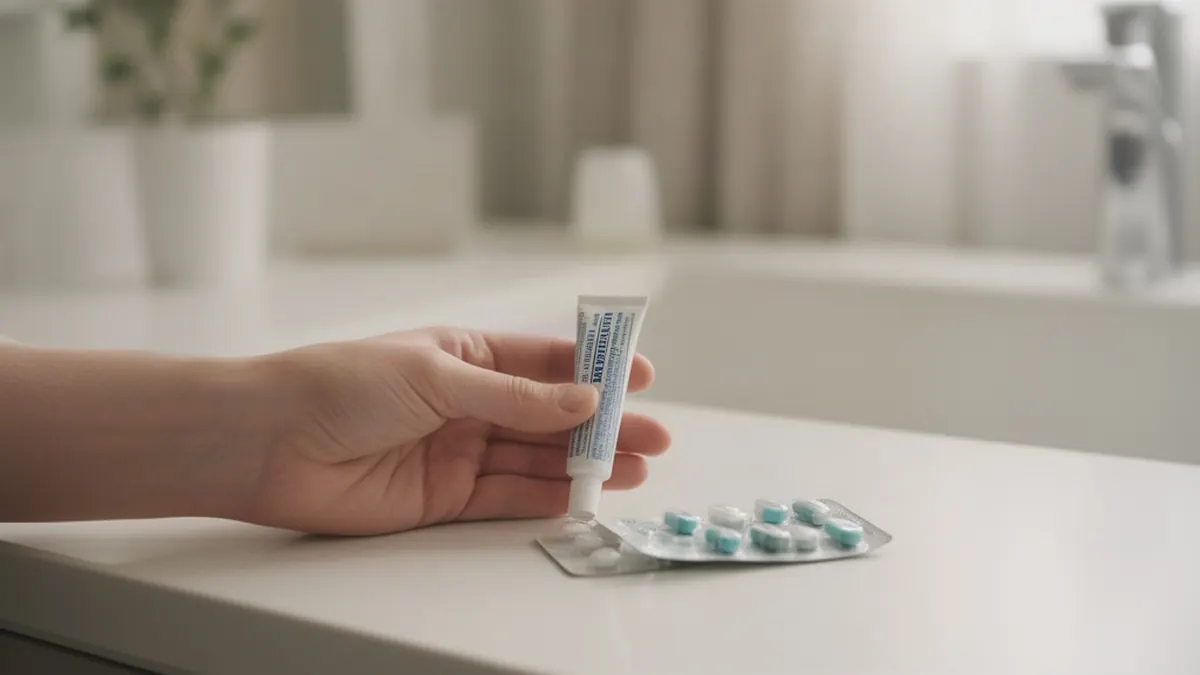
Fungal skin infections can affect the feet, groin, body, scalp, or nails, causing itching, redness, scaling, and discomfort. Many cases improve with antifungal medicines, but the best treatment depends on the type of fungus, the location of the infection, and how severe it is. For some infections, over-the-counter creams may be enough, while others need prescription oral medicines such as fluconazole or terbinafine. A healthcare professional can help confirm the diagnosis and choose the most appropriate treatment.
What are fungal skin infections?
Fungal skin infections happen when fungi grow on or in the skin and cause inflammation. The most common types are tinea infections, which may appear as athlete’s foot, jock itch, ringworm, or fungal nail infections. Yeast-related rashes, such as candidiasis in skin folds, can also affect the skin.
These infections are usually not dangerous, but they can be stubborn and spread to other areas or other people through direct contact, shared items, or contaminated surfaces. Warm, moist environments, sweating, tight clothing, and minor skin damage can make infection more likely.
Common symptoms include itching, burning, peeling, cracking, redness, a ring-shaped rash, or thickened and discolored nails. Because several skin conditions can look similar, a clinician may examine the rash closely or order tests to confirm that fungus is the cause.
- Itching and scaling are common signs
- Moist skin areas are more likely to be affected
- Some infections require prescription treatment
How antifungal medicines work
Antifungal medicines stop fungi from growing or kill them, which allows the skin to heal. Different medicines work in different ways, and the choice depends on the infection site and the organism involved. Topical products are often used for mild infections on the skin, while oral medicines may be needed for widespread, persistent, or nail-related infections.
Fluconazole and terbinafine are two prescription antifungal medicines used in the United States. They are not the same, and they are not used for every fungal problem. A healthcare professional can decide whether a topical cream, an oral tablet, or a combination approach is best.
Treatment often takes time. Even when symptoms improve quickly, the full course should be completed as directed to reduce the chance of the infection coming back.
- Topical treatment works for many mild cases
- Oral medicine is often used for tougher infections
- Stopping treatment early can allow recurrence
Fluconazole: when it may be used
Fluconazole is an oral antifungal medicine commonly used for yeast infections and some other fungal infections. It may be prescribed for certain skin or fold infections caused by yeast, and in some cases for more widespread fungal problems when a clinician thinks it is appropriate.
Because fluconazole is taken by mouth, it can treat infections beyond the surface of the skin. That can be useful when topical products have not worked well or when the infection is in an area that is hard to treat with creams alone. However, it is not the right choice for every fungal skin infection.
Fluconazole can interact with other medicines and may not be appropriate for people with certain liver conditions or heart rhythm issues. Always share your medication list and medical history with your prescriber before starting treatment.
- Used for some yeast-related infections
- May help when topical treatment is not enough
- Can interact with other medicines
Terbinafine: when it may be used
Terbinafine is another prescription antifungal medicine often used for tinea infections caused by dermatophyte fungi. It is commonly prescribed for athlete’s foot, ringworm, jock itch, and some nail infections. For many patients, terbinafine is a standard oral option when the infection is extensive, recurrent, or affecting the nails.
Terbinafine works by interfering with fungal cell formation, which helps clear the infection. Depending on the infection, it may also be available in topical forms, though oral terbinafine is often used for harder-to-treat cases such as toenail fungus.
Like all prescription medicines, terbinafine can cause side effects and may need monitoring in some patients. A clinician may recommend liver-related precautions or testing based on your health history and the length of treatment.
- Often used for athlete’s foot and ringworm
- Common choice for fungal nail infections
- May require medical monitoring in some cases
What to expect during treatment
Fungal skin infections do not usually disappear overnight. Itching and redness may start to improve before the skin looks fully normal. If the infection involves nails, visible improvement can take much longer because nails grow slowly.
Following treatment instructions matters. Take the medicine exactly as prescribed, and use any topical product for the full recommended duration. Keep the affected area clean and dry, change socks or underwear regularly, and avoid sharing towels, shoes, or razors while the infection is active.
It is also important to reduce the chance of reinfection. Wearing breathable footwear, using shower shoes in shared spaces, and treating sweaty skin folds promptly can help. If the infection keeps returning, a healthcare professional may look for an underlying issue such as diabetes, immune problems, or an ongoing source of exposure.
- Symptoms may improve before the skin fully heals
- Drying the area helps treatment work better
- Prevention is part of successful care
When to see a doctor
You should see a doctor if the rash is severe, spreading, painful, or not improving with appropriate treatment. Medical evaluation is also important if the infection affects the scalp, face, genitals, or nails, because these areas may need prescription medicine or a different treatment plan.
Seek prompt care if you have fever, pus, rapidly worsening redness, open sores, or signs of infection that seem more like a bacterial problem. People who are pregnant, have liver disease, take many prescription medicines, or have weakened immune systems should ask a clinician before using oral antifungals.
A diagnosis matters because not every itchy rash is fungal. Eczema, psoriasis, contact dermatitis, and bacterial infections can look similar, and using the wrong treatment can delay healing.
- See a clinician if symptoms worsen or spread
- Nail, scalp, or facial infections often need evaluation
- Not all rashes are caused by fungus
Medicines mentioned in this article
- AF 200 Tabletfrom $1038.99
- AF 300 Tabletfrom $32.99
- AF 400 Tabletfrom $110.99
- Ifin Tabletfrom $88.99
- Keptafine Creamfrom $5.99
- Lamifil 250 mg Tabletfrom $47.99
Common questions
Can fungal skin infections go away on their own?
Some mild cases may improve, but many fungal skin infections persist or spread without treatment. Using the right antifungal medicine can help clear the infection more reliably and reduce the chance it comes back.
Is fluconazole or terbinafine better for fungal skin infections?
It depends on the type of infection. Fluconazole is often used for certain yeast-related infections, while terbinafine is commonly used for tinea infections such as ringworm, athlete’s foot, and some nail infections.
How long do antifungal medicines take to work?
It varies by infection and medicine. Itching and redness may improve in days to weeks, but nail infections can take months to fully clear because new nail growth is slow.
Are antifungal medicines safe for everyone?
Not always. Oral antifungal medicines can interact with other drugs and may not be suitable for some people with liver disease or other health conditions. A healthcare professional should review your history before prescribing them.