
Anxiety and Sleep Problems: Medicines and Healthy Habits
Published September 7, 2026
Medically reviewed by Chep Meds USA Pharmacy Team
Content checked by our licensed pharmacists for accuracy against standard prescribing information. Last reviewed October 2026. Our editorial policy
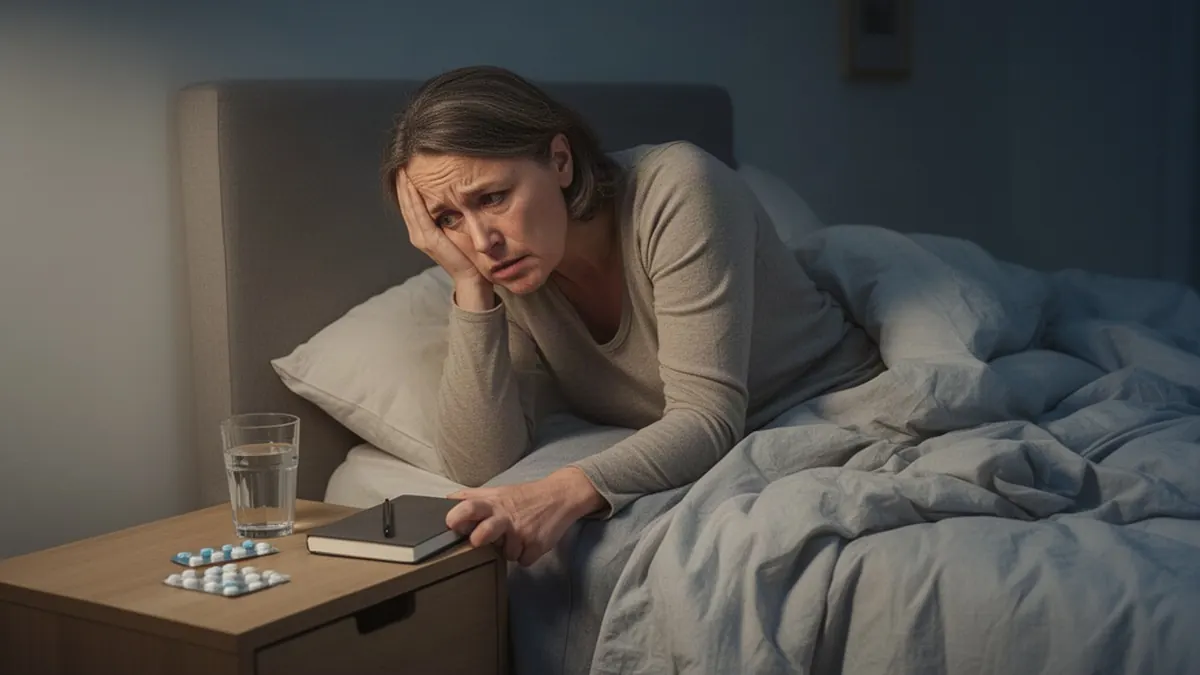
Anxiety and sleep problems are closely connected. When worry, tension, or racing thoughts keep you up at night, the next day can feel harder to manage, and sleep loss can also make anxiety symptoms worse. For many people in the US, treatment works best when it combines medical care, stress management, and healthy sleep habits. Medicines such as sertraline and escitalopram may help treat anxiety disorders that interfere with sleep, but they are not sleep aids and should be used under a clinician’s guidance. In this article, we’ll look at how anxiety affects sleep, how these medicines may fit into treatment, and the daily habits that can support better rest.
How anxiety can disrupt sleep
Anxiety can make it difficult to fall asleep, stay asleep, or wake up feeling rested. Common reasons include racing thoughts, physical tension, a fast heartbeat, stomach discomfort, or feeling constantly “on alert.” Some people also wake up during the night and struggle to settle back down because the mind starts worrying again.
Sleep problems can also increase anxiety. Not getting enough rest may lower your ability to cope with stress, make you more irritable, and cause concentration problems. Over time, this can create a cycle in which anxiety and insomnia reinforce each other.
- Trouble falling asleep
- Waking up often at night
- Early-morning awakening
- Unrefreshing sleep
- Daytime fatigue and irritability
When medicines may help
If anxiety symptoms are persistent, interfere with work or relationships, or are causing ongoing sleep problems, a healthcare professional may recommend medicine. The goal is usually to treat the underlying anxiety disorder rather than to simply force sleep. Medicines are often most helpful when combined with therapy and healthy routines.
Two medicines commonly used for anxiety disorders are sertraline and escitalopram. Both are selective serotonin reuptake inhibitors, or SSRIs. They are often prescribed for generalized anxiety disorder, panic disorder, social anxiety disorder, and related conditions. These medicines may reduce baseline anxiety over time, which can make sleep easier for some people.
- Treats anxiety symptoms over time
- Not a fast-acting sleeping pill
- Often used with therapy
- Requires regular follow-up
Sertraline and escitalopram: what to know
Sertraline and escitalopram are prescription medicines that affect serotonin signaling in the brain. They are commonly used in adults, and sometimes in younger patients when a clinician decides they are appropriate. Because they are SSRIs, they do not work instantly; many people need several weeks before they notice the full benefit.
These medicines can help sleep indirectly by lowering anxiety, but they may also cause sleep-related side effects in some people. Some patients feel a little sleepy, while others feel more alert or have vivid dreams, especially when starting treatment or after a dose change. If sleep gets worse after starting an SSRI, the prescriber may adjust the timing of the dose or consider other options.
- May take 2-6 weeks for full effect
- Can cause drowsiness or insomnia in some people
- Do not stop suddenly without medical advice
- Tell your prescriber about side effects
Healthy habits that support better sleep
Good sleep habits can make a meaningful difference, especially when anxiety is part of the problem. Try to go to bed and wake up at the same time every day, even on weekends. Keep the bedroom cool, dark, and quiet, and reserve the bed for sleep and intimacy rather than for scrolling, working, or worrying.
It also helps to build a wind-down routine before bed. Light reading, stretching, calming music, breathing exercises, or a warm shower may help your body shift into rest mode. Avoid caffeine late in the day, and be cautious with alcohol; while alcohol may make you sleepy at first, it can fragment sleep and worsen anxiety the next day.
- Keep a consistent sleep schedule
- Limit caffeine, especially later in the day
- Reduce screen time before bed
- Use relaxing bedtime routines
- Avoid heavy meals right before sleep
Therapy and stress-management strategies
Medicines are only one part of care. Cognitive behavioral therapy for anxiety, and cognitive behavioral therapy for insomnia when sleep is the main issue, are both evidence-based approaches that can help change unhelpful thought patterns and behaviors. Therapy may teach coping skills for worry, panic symptoms, and bedtime rumination.
Stress-management tools can also help. Journaling earlier in the evening, setting aside “worry time” before bed, practicing mindfulness, or using guided relaxation exercises may reduce the mental buildup that keeps you awake. Even small changes can matter when used consistently.
- Cognitive behavioral therapy
- Mindfulness or relaxation exercises
- Journaling before bedtime
- Planned worry time earlier in the day
When to seek medical advice
See a doctor if sleep problems last more than a few weeks, if anxiety is affecting daily life, or if you are relying on alcohol, over-the-counter sleep products, or other substances to get through the night. You should also seek medical advice if you have symptoms of depression, panic attacks, or thoughts of self-harm. These may need prompt evaluation and treatment.
If you already take sertraline or escitalopram and notice worsening insomnia, excessive sleepiness, agitation, or other new symptoms, contact your prescriber. They can review your dose, timing, other medicines, and medical history to help decide the safest next step.
- Persistent insomnia
- Anxiety affecting work or home life
- New or worsening mood symptoms
- Side effects after starting medicine
Medicines mentioned in this article
- Inderal 20 mg Tabletfrom $68.99
- Arminol 40 mg Tabletfrom $34.99
- Betacap 20 Tabletfrom $32.99
- Myherb Ashwagandha Powderfrom $34.99
- Boldveda Ashwagandha Tablets for Men & Womenfrom $32.99
- Carmel Organics Ashwagandha Extract Tabletsfrom $34.99
Common questions
Can sertraline or escitalopram help me sleep better?
These medicines can sometimes improve sleep indirectly by reducing anxiety over time. However, they are not designed as sleep medications, and some people notice temporary sleep changes when starting them. A clinician can help decide whether one of these options fits your symptoms.
How long do SSRIs take to work for anxiety?
Many people begin to notice improvement within a few weeks, but full benefits may take longer. During the early weeks, side effects and symptom changes can happen before the medicine reaches its full effect. Regular follow-up is important so your prescriber can track progress.
What sleep habits help with anxiety at night?
A consistent bedtime and wake time, less caffeine, a calm bedtime routine, and a dark, quiet bedroom can all help. It also helps to limit late-night screen use and avoid using the bed for stressful activities. These steps may not fix everything, but they can support treatment.
Should I stop my medicine if it affects my sleep?
No, do not stop sertraline, escitalopram, or any prescription medicine on your own. Stopping suddenly can cause withdrawal symptoms or a return of anxiety. Contact your healthcare professional so they can advise you on the safest approach.